
By Chuck Rotondo, Technical Director of the Northeast Region for the Concrete Masonry Checkoff’s Block Design Collective
In a city where space is tight, schedules are tighter and every project is under the microscope, success in construction doesn’t come from working harder. It comes from working more efficiently.
That’s why more Boston architects, engineers and builders are beginning to leverage delegated design — a strategy that brings in specialty expertise early, speeds up delivery and eliminates costly guesswork. It’s especially powerful for systems like concrete masonry (CMU), where structural precision and code compliance can make or break a project.
It’s a Tactical Advantage
Delegated design isn’t about handing off responsibility. It’s about getting the right people focused on the right things at the right time. It still relies on the architect of record (AOR) to define and guide the overall design intent and the engineer of record (EOR) to oversee overall system integrity and performance. But instead of detailing every inch of complex systems like CMU, they delegate that task to a licensed specialty engineer — someone who knows the material, knows the codes and designs with construction in mind.
Why It Works for Boston
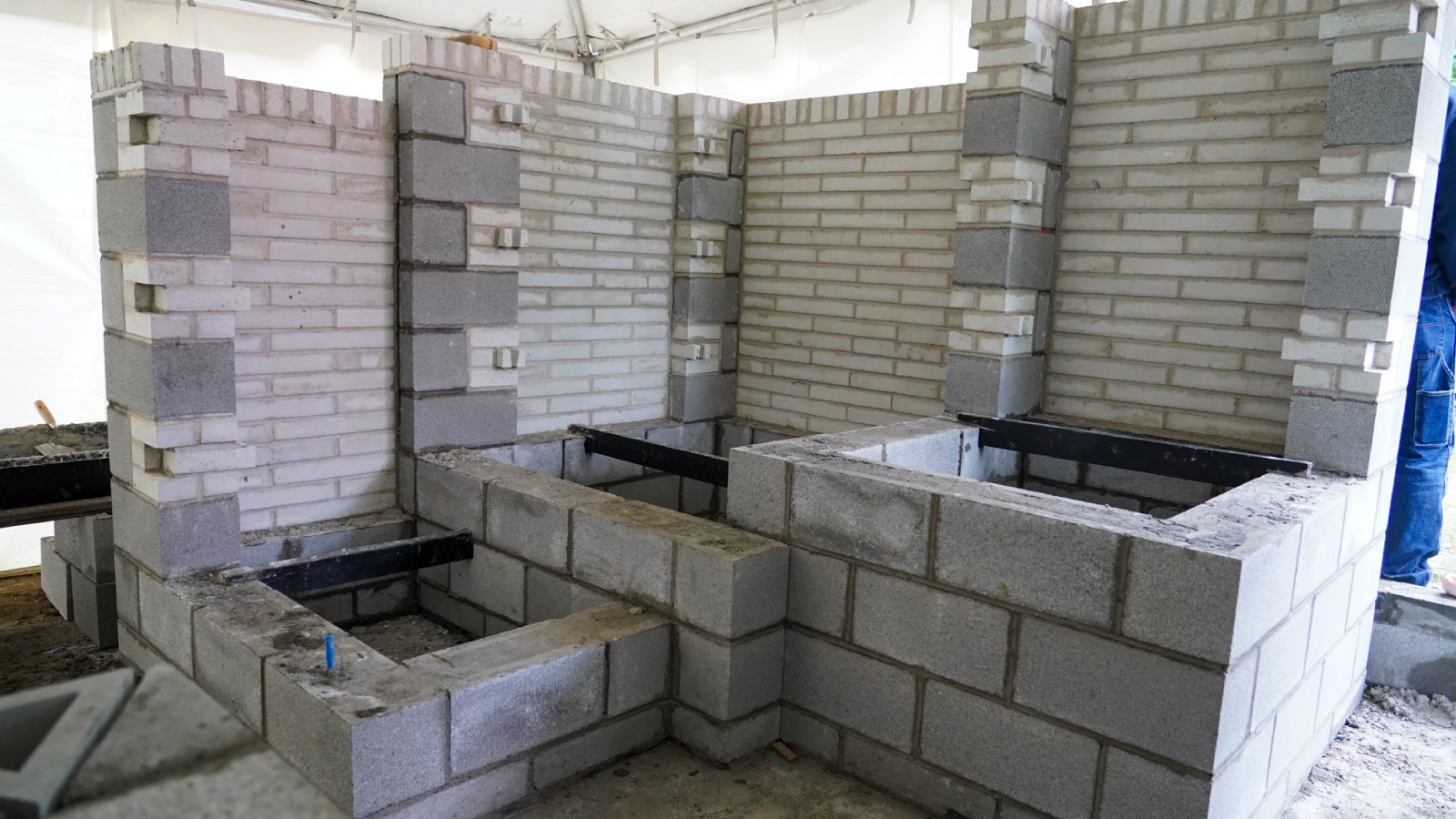
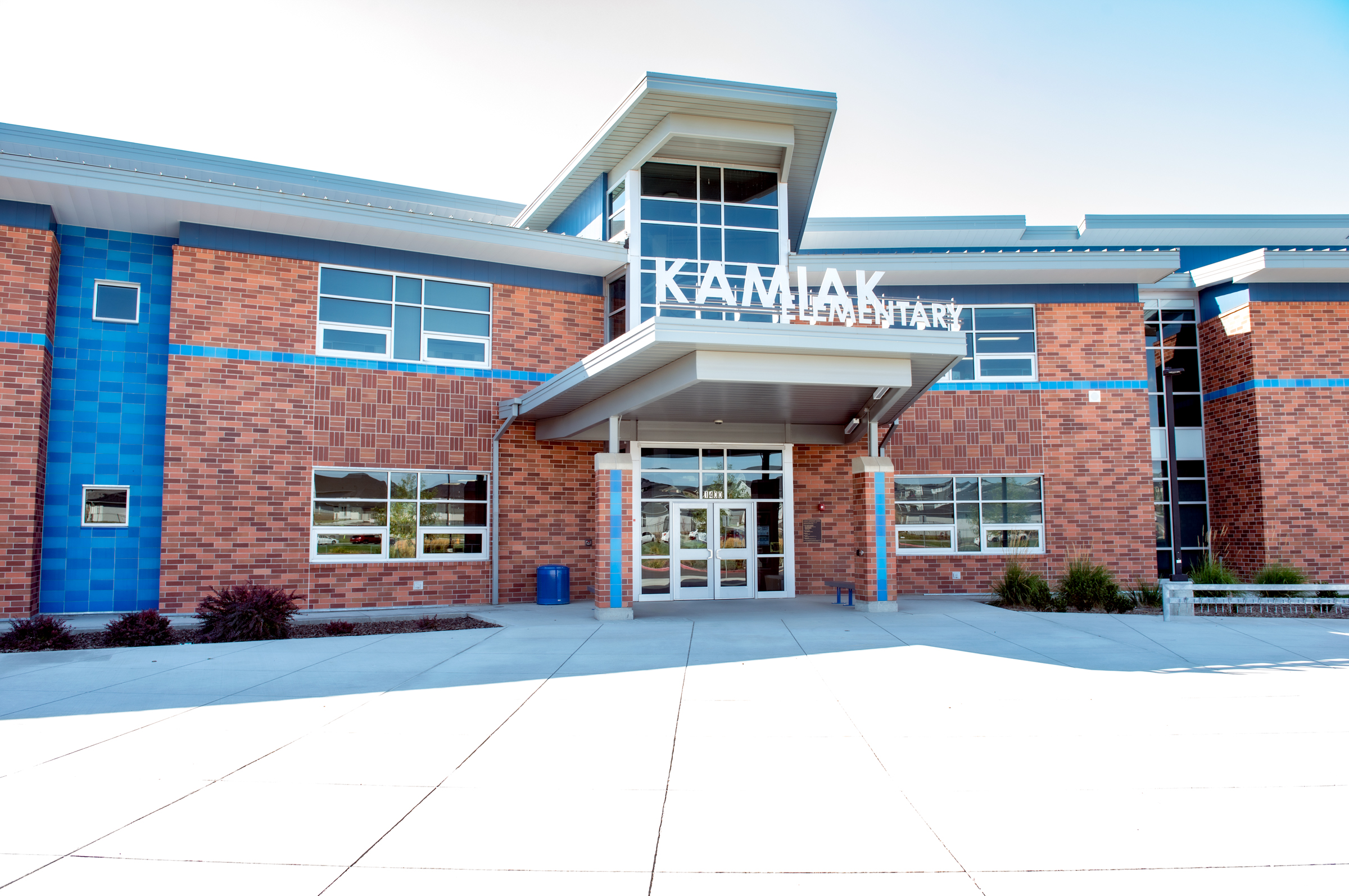
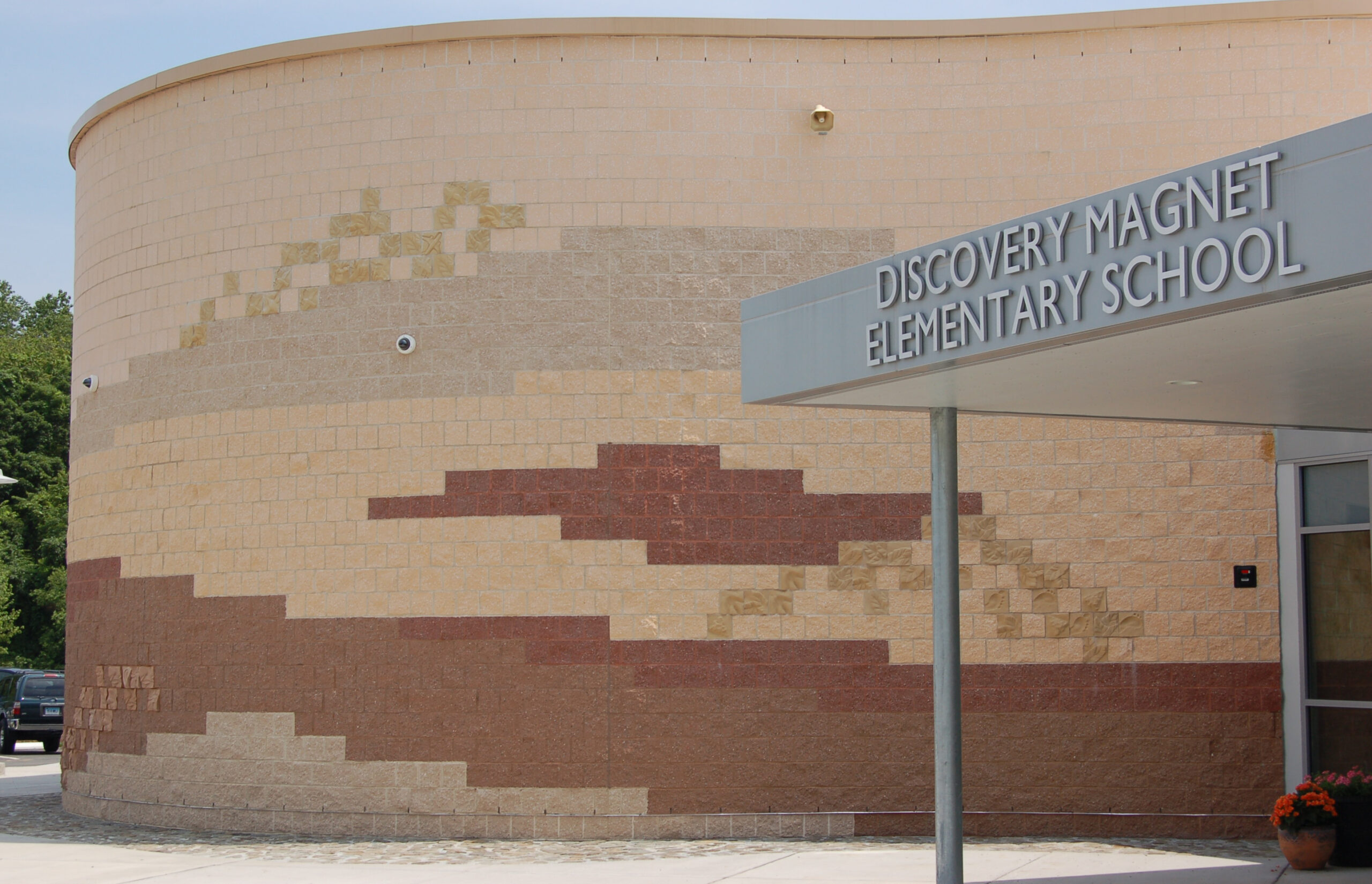
CMU is everywhere in Boston: schools, fire stations, public works buildings, even high-end multifamily housing. It’s strong, durable, fire-resistant and ideal for this climate. But it’s not a set-it-and-forget-it system. Each wall must meet energy codes, building codes, fire ratings and performance criteria specific to height, exposure and occupancy.
Efficient design is key. To make sure all bases are covered on safety, it can become easy to add on extra safety factors. That approach has good intentions but may not make it stronger or safer. Instead, it can unnecessarily drive up costs, increase embodied carbon, slow approvals and frustrate the field. With delegated design, you get details on what exactly is needed.
How does delegated design help, specifically?
- It Speeds Up the Process: Structural design of CMU walls happens in parallel — not in a queue. That means faster shop drawings, fewer delays and fewer fire drills.
- It Provides Efficient Design: Delegated engineers right-size every detail for performance and economy, ensuring efficiency and avoiding excess reinforcement, unnecessary grout and labor.
- It Goes Direct to the Source: These engineers coordinate directly with the mason and supplier, helping shop drawings match what’s being built and minimizing disconnects and change orders down the line.
- It Clarifies Roles: The AOR, EOR and specialty engineer each have defined roles so there’s no confusion and no duplication of effort or miscommunication.
- It Results in More Efficient, Stronger Walls: CMU assemblies are engineered for real-world conditions like Boston winters, energy code and building code compliance.
How to Make Sure Delegated Design Works
Changing the process for how projects come to life can be a challenge, so how can teams make sure it is successful?
- Call it out early. Identify delegated scopes in the drawings and specs upfront.
- Bring in pros. Use licensed engineers with local code expertise and hands-on CMU experience.
- Keep talking. Communication between AOR, EOR and the delegated engineer is key.
- Review, don’t redo. The EOR verifies the work but doesn’t need to reinvent it.
The Bottom Line
Delegated design isn’t a shortcut. It’s a smart, strategic way to build more efficiently, especially with CMU. It clears up the gray areas, trims the fat from the process, and gives every team member the clarity and confidence to deliver on what matters most: performance, efficiency and results.
Have a question about delegated design and CMU?
The Block Design Collective offers free project support to architects, engineers, and developers and can help answer your CMU-specific questions. For more information, contact Chuck Rotondo at crotondo@concretemasonrycheckoff.org. or visit blockdesign.org.
The Concrete Masonry Checkoff is an industry-funded program driving innovation, education, and market growth for concrete masonry. It powers the Beauty of Block campaign, promoting the aesthetic, structural, and sustainable advantages of masonry to architects and developers, reinforcing its value in resilient, high-performance, and design-forward construction.