News

News from around the block

If it happens in concrete masonry, you heard it here first. Stay up to date with the latest in all things block.

Newsroom
Continually updated with the latest information affecting resilient construction
Communities are starting to build again, moving beyond incremental upgrades toward investments designed for the long haul. Identifying the need hasn’t been the issue. Finding a path forward has. Years of deferred maintenance, rising construction costs and uncertainty around funding all play into why projects stall, perpetuating a costly cycle of short-term fixes. 
Early in design, decisions can often feel isolated. A wall system here. A detail there. But over time, those decisions ultimately define how a building performs — what it costs to construct, maintain and how much embodied carbon it carries. 
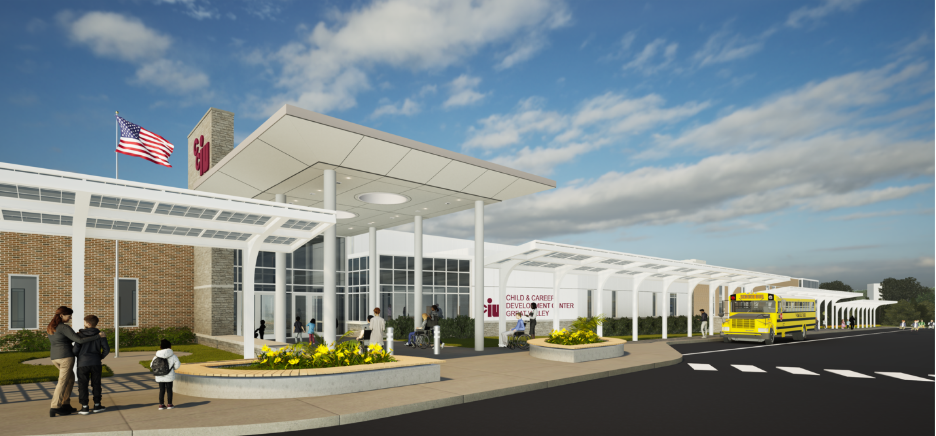
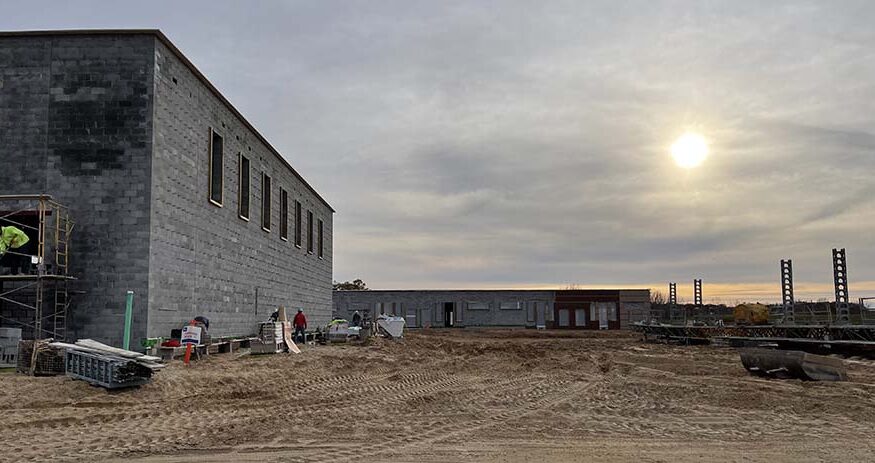
Development across the region remains strong as multifamily housing, mixed-use developments and educational facilities continue to move forward. In Malvern, construction is underway on the Chester County Intermediate Unit’s new Child and Career Development Center (CCDC) Great Valley campus, designed to better serve students with special needs across the county. 
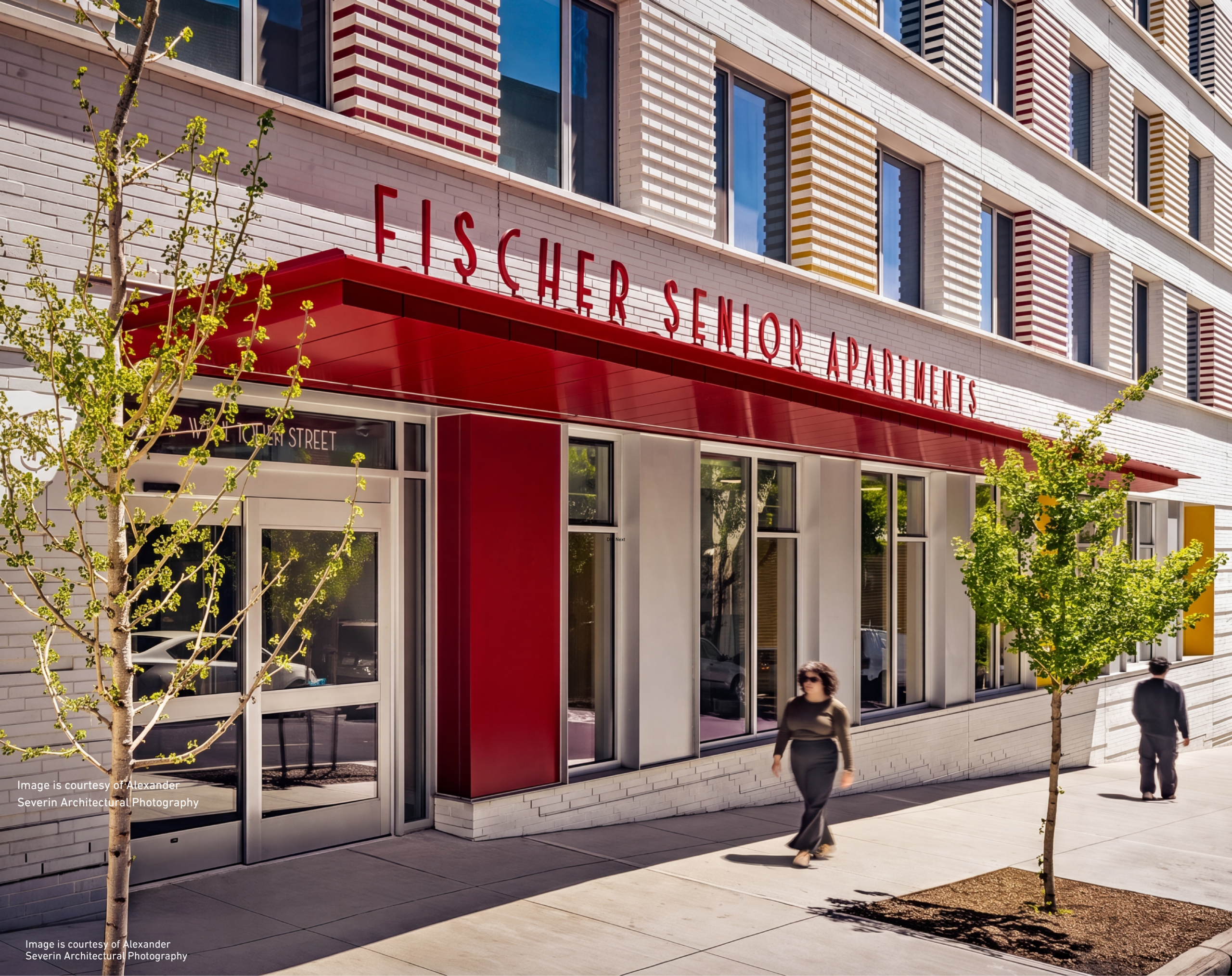
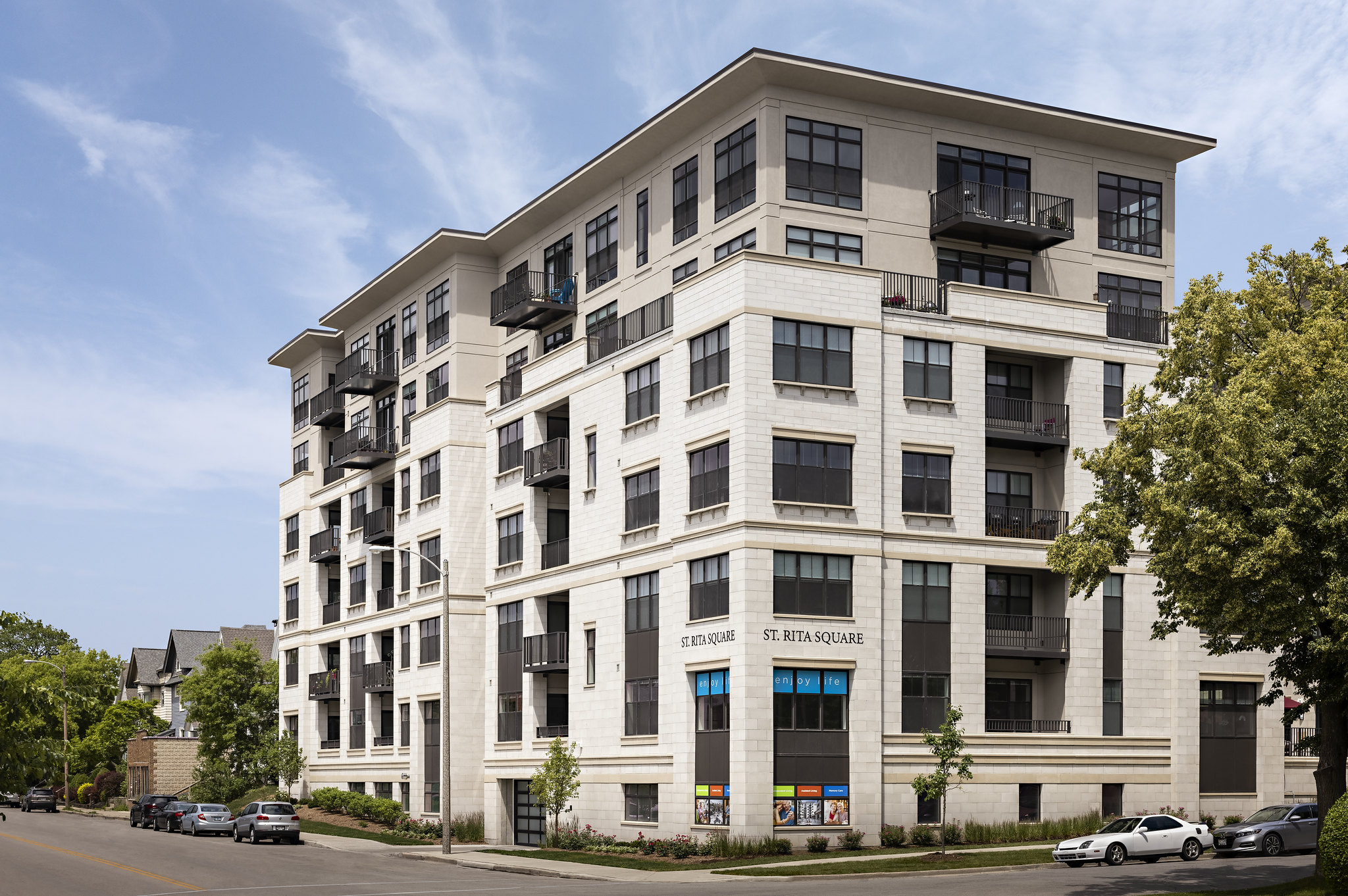
In senior living environments, the most successful design decisions are often the ones residents never have to think about. A stable indoor temperature. A quiet unit. A day that unfolds without interruption. These conditions stem from early design decisions that quietly pay off over time. 
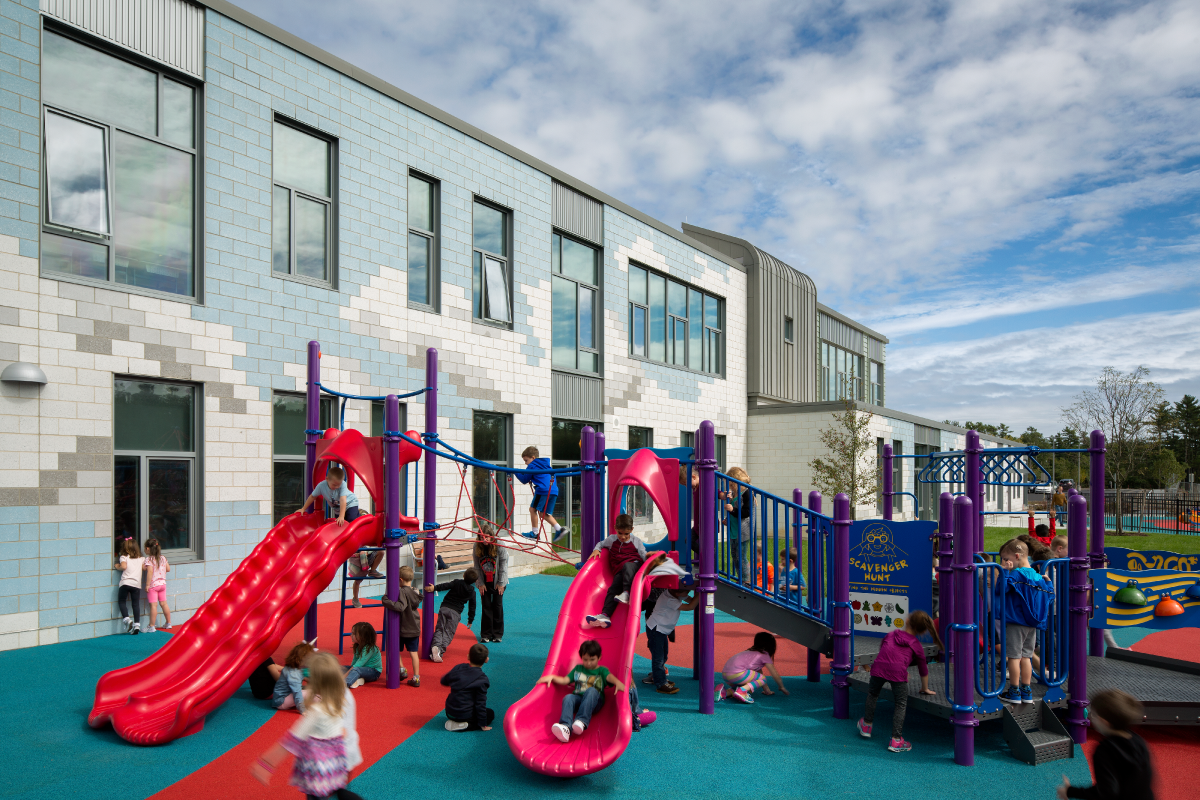
When Svigals + Partners began work on the new Sandy Hook Elementary School in Newtown, Connecticut, the job was more than simply replacing a building. The original school had been demolished following the events of 2012, and the campus was reimagined to help restore communal trust while creating a place where students and staff could feel supported and at ease
Construction costs here already run about 18% higher than in markets like Chicago, Seattle and Washington, D.C., according to market analysis from Cresa. When the starting price of building is that elevated, design decisions carry a ripple effect that extends well beyond construction. 
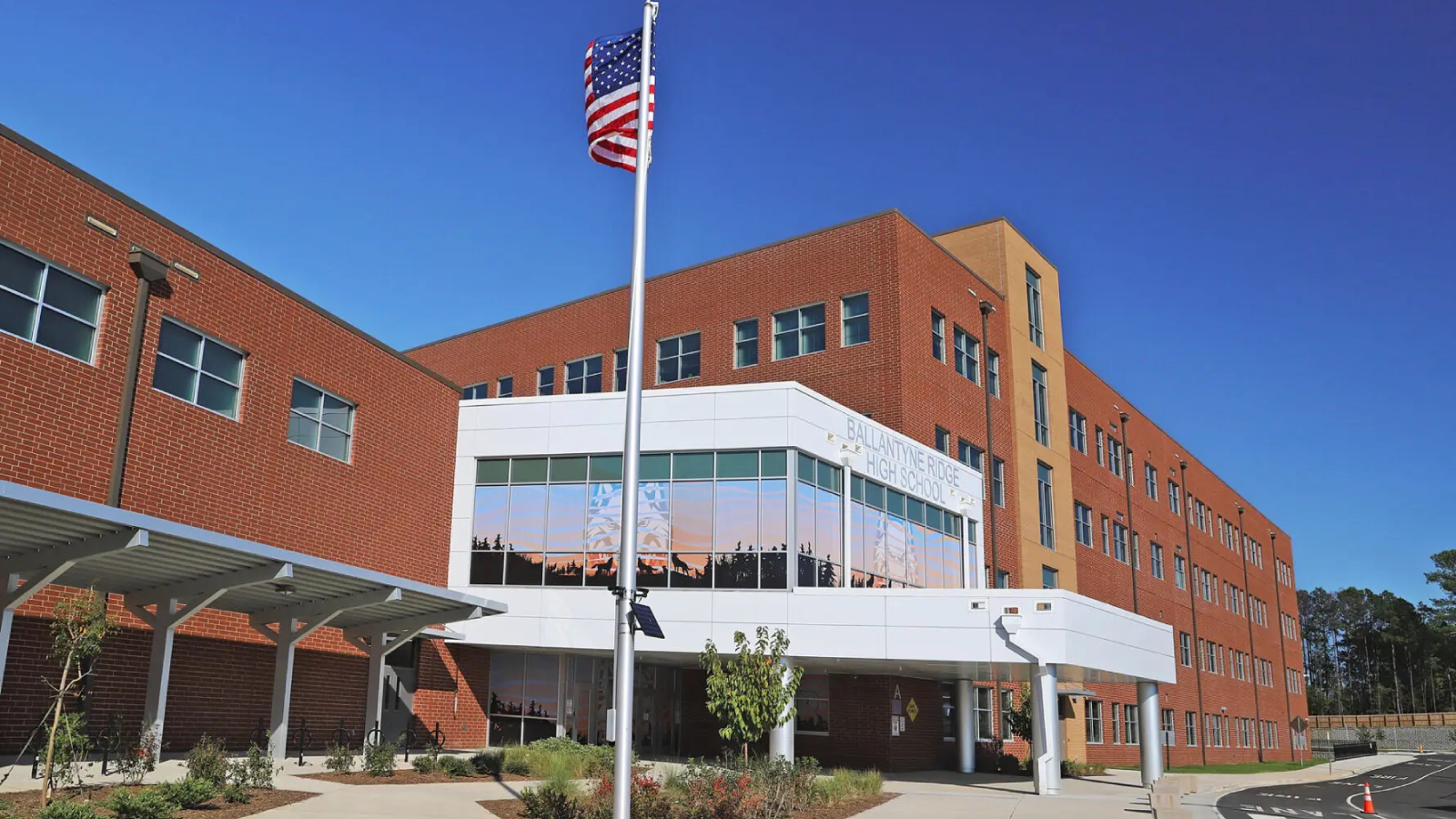
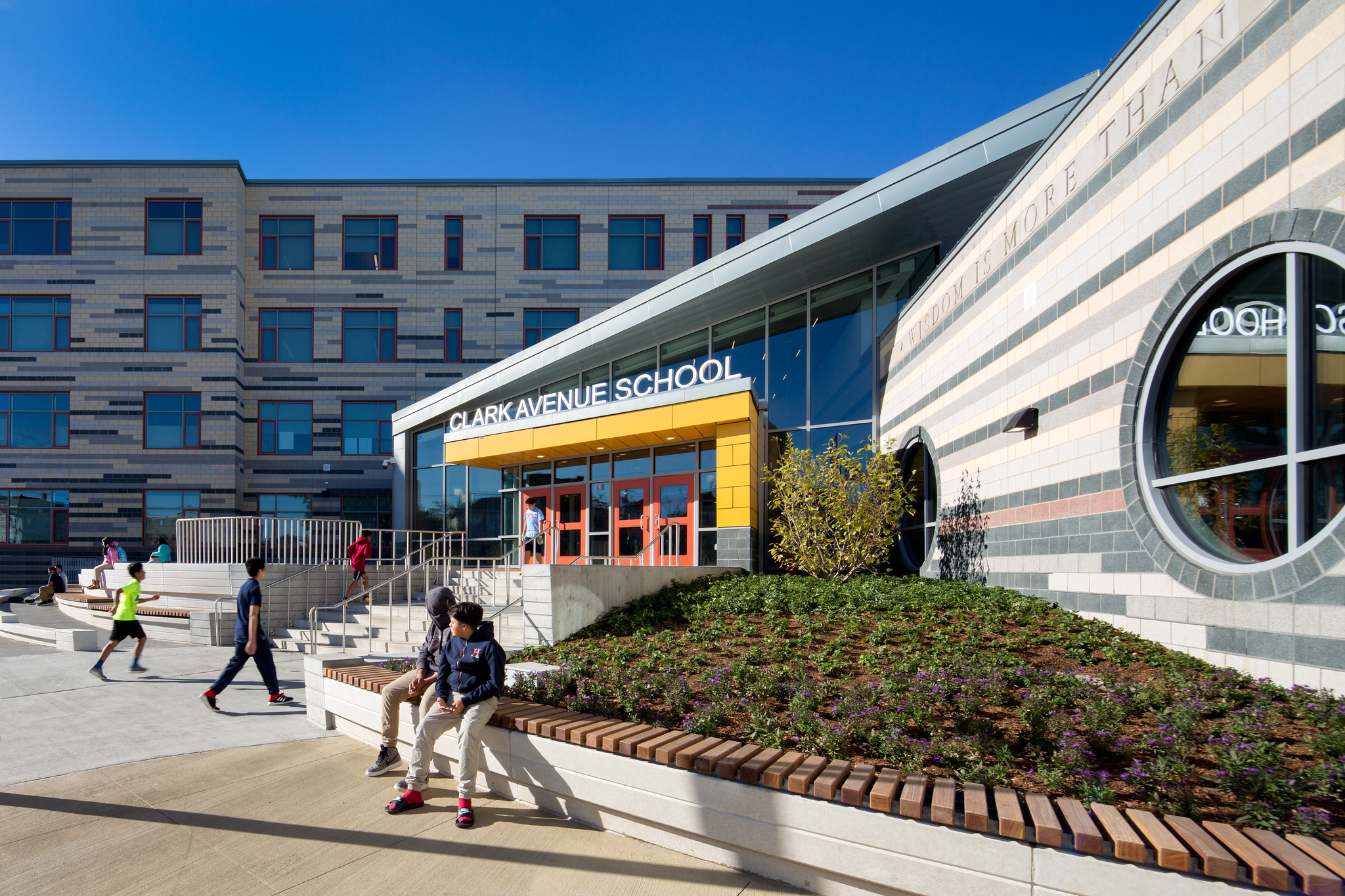
Across the country, conversations about school safety often focus on policies, surveillance technology and emergency procedures. Those measures matter. But one of the most important safety decisions happens much earlier — when architects and school districts choose what the building itself will be made of. 
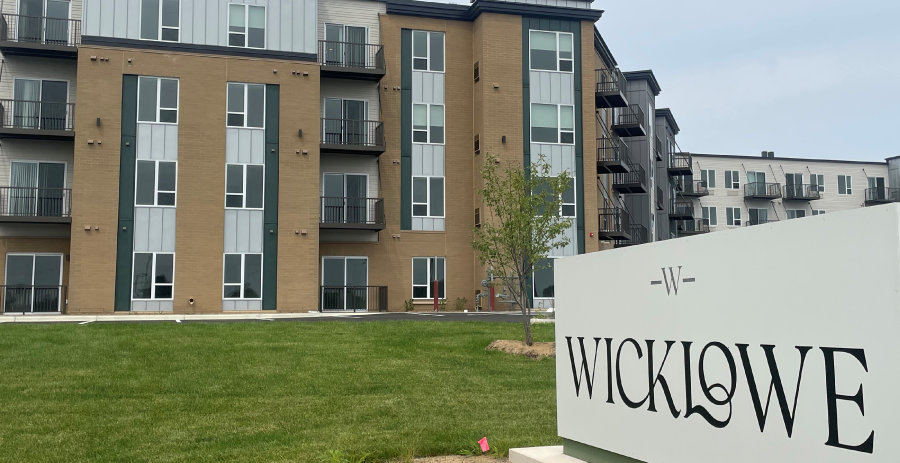
For generations, homeownership was considered the cornerstone of the American housing market. That dynamic has shifted. Rising home prices, higher interest rates and escalating construction costs have pushed ownership further out of reach for many households, while demand for rental housing continues to soar. 
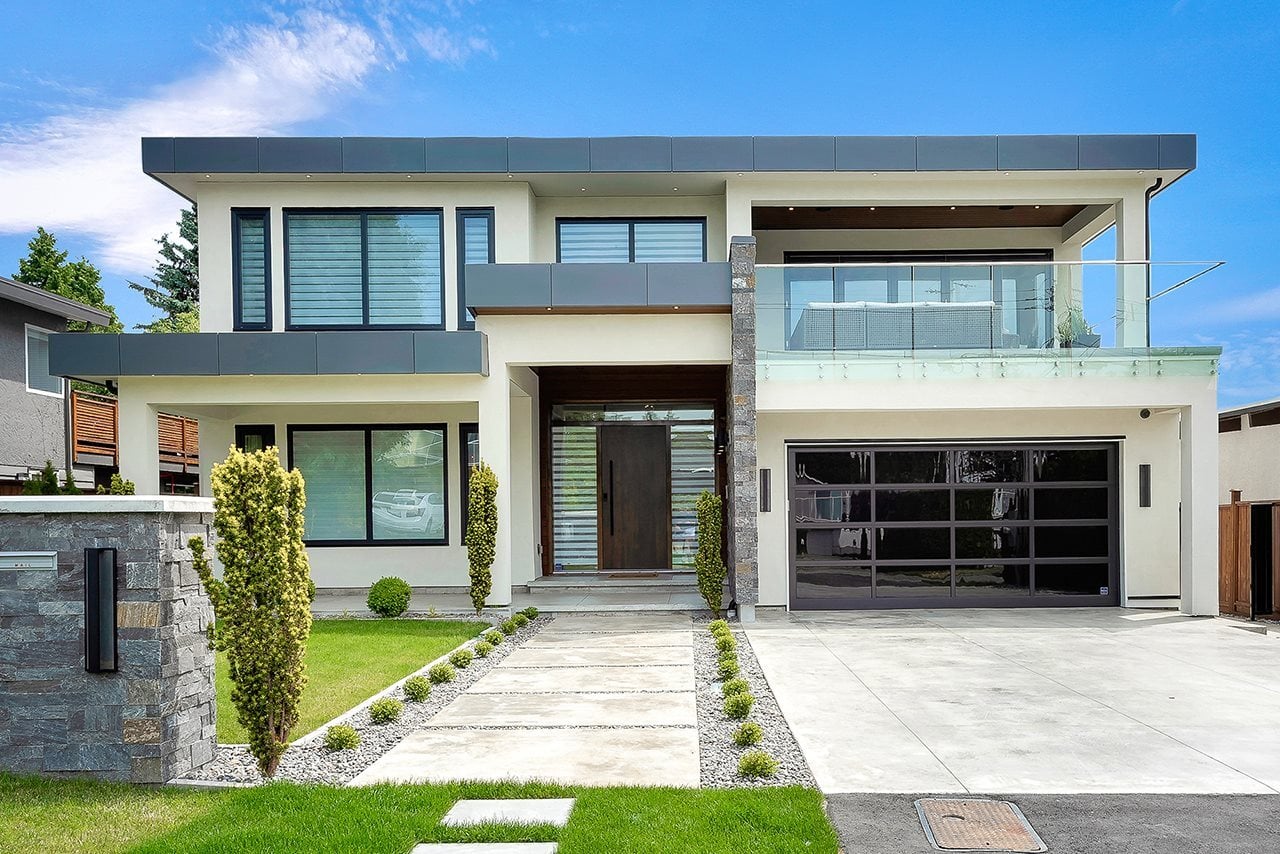
The looming threat of wildfire is now a reality for many Americans. Despite our best efforts to take precautions, it often feels as though we’re at the mercy of Mother Nature. However, homeowners absolutely have a say in how their homes will fare against future disasters. This starts with insisting on durable, noncombustible materials that can stand up to evolving climate challenges.
In San Francisco, where the ground shifts, the climate changes and neighborhoods grow ever more connected, buildings aren’t just structures — they’re promises of resilience, in the face of an uncertain future. Every material choice contributes to that promise, especially in a region where performance and purpose must go hand in hand.
As climate change reshapes life in Puget Sound, from heavier winter storms to smoky summer skies, the call for climate-smart building construction is louder than ever. Builders, architects and city planners are eager for materials that not only stand up to environmental stress but actively contribute to a more sustainable built environment.
Traditionally, affordability in construction has been defined by first cost. If the project penciled out on bid day and stayed within budget, it was considered a win.
Concrete masonry units (CMU) are one of the most thoroughly studied building materials in construction. Over the last several years, the industry has advanced that rigor by quantifying embodied carbon and carbon sequestration as part of broader decarbonization goals. A key finding has emerged from this work: embodied carbon performance varies greatly across concrete products.
In Colorado, where wildfires are an ever-present threat, Donald Harvey is forging a path toward safer communities through fire-resistant construction. As Vice President and Principal at Atkinson-Noland & Associates (ANA), regional representative for the Concrete Masonry Checkoff, and adjunct instructor at the University of Colorado, Donald blends experience as both investigator and wildfire survivor to champion resilient building practices.
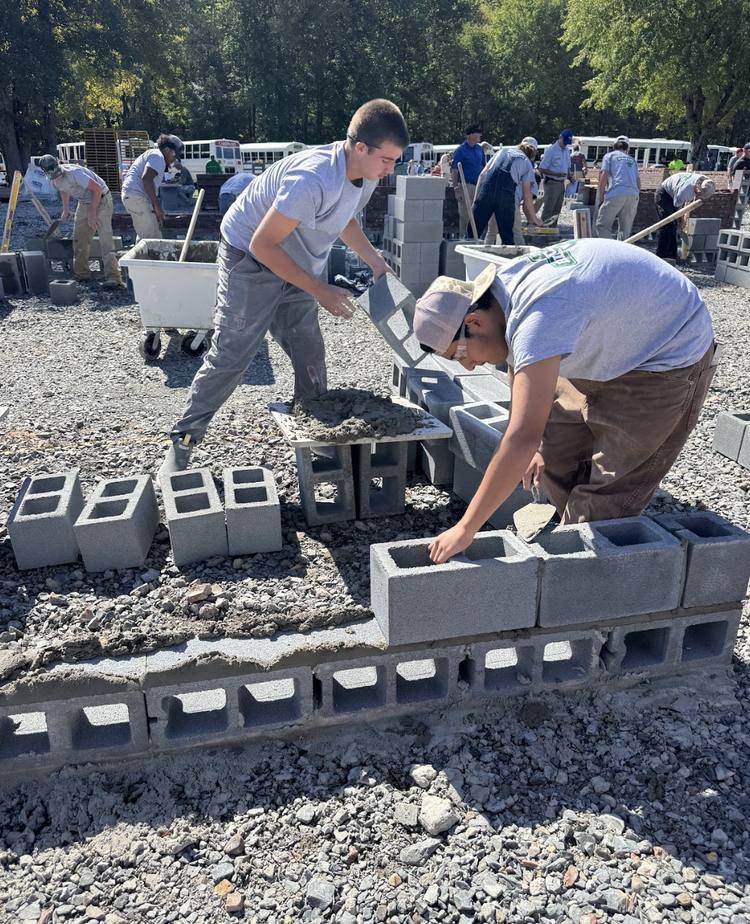
As more people rethink what they want from a career, masonry continues to stand out for its combination of paid training, long-term opportunity, and pride in building work that lasts. Top 10 Reasons to Join the Masonry Team brings together real perspectives from across the industry, illustrating how hands-on experience can turn curiosity into a meaningful career path.
Based in Fort Worth, Texas, Kennedy is the Regional Director for Beauty of Block across the South Central U.S., covering eight states. With a civil engineering degree from Texas A&M and a career rooted in construction and infrastructure planning, she brings a perspective shaped as much by jobsites as by classrooms and travels to Europe.  
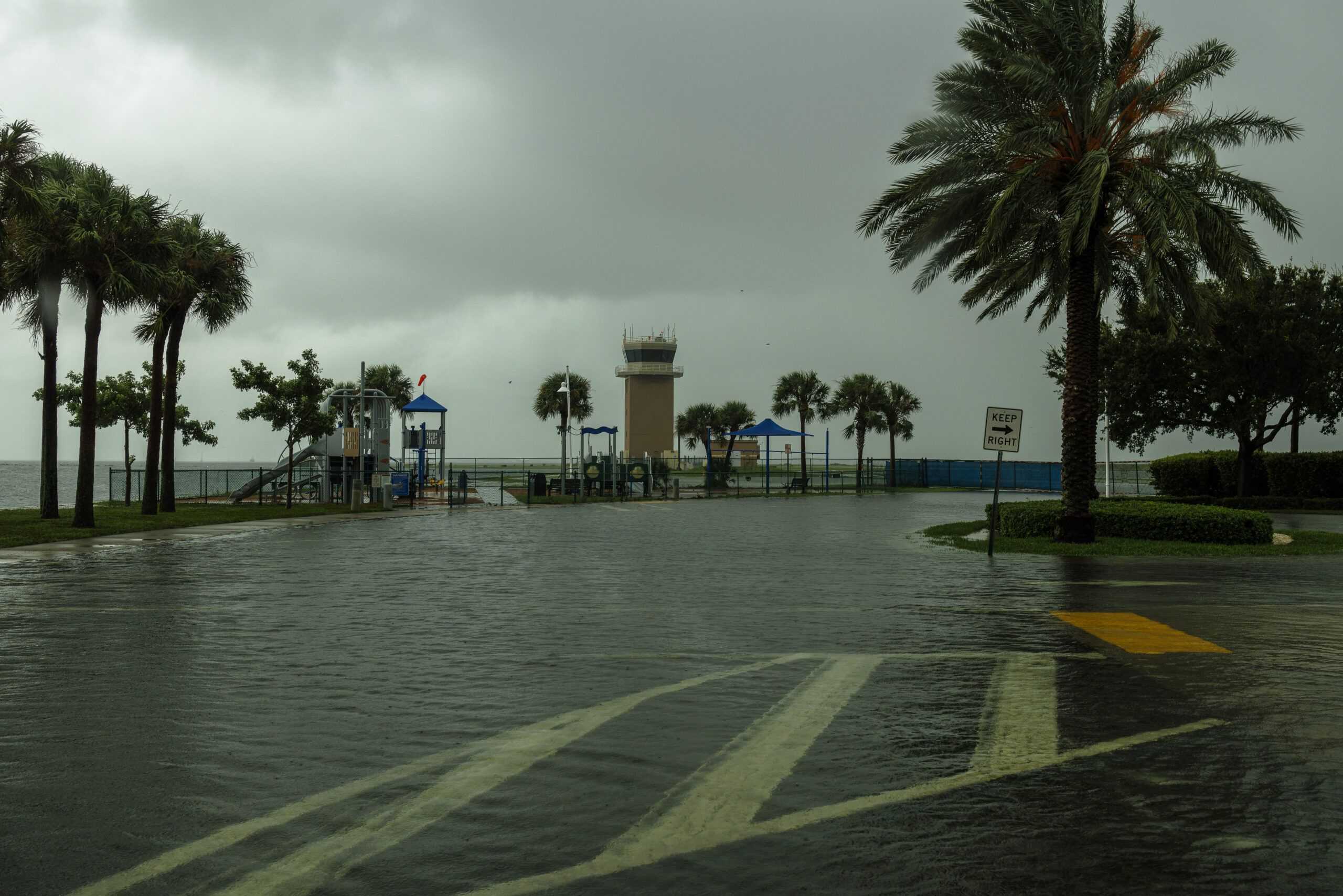
Tampa Bay has always lived with hurricane risk, but last year marked a turning point. When Hurricane Milton swept across the region with 180-mph winds, on top of the damage already caused by Hurricane Helene just weeks earlier, it became clear that Tampa Bay entered a new era of exposure.
Jacksonville may sit north of the state’s traditional hurricane bullseye, but with its expanding coastal development, riverfront growth and rapidly rising insurance pressures, the region is becoming increasingly exposed to the same forces reshaping hurricane preparedness statewide. 
When Hurricane Melissa tore into Jamaica this season with winds exceeding 185 mph, it sent a clear message across Florida’s coastlines: storms are now intensifying faster and reaching wind speeds beyond what many buildings outside of South Florida were ever designed to withstand.
Ryan Shaver did not grow up planning a career in masonry. In fact, he hated school. What changed everything was a high school masonry class in 1989, a chance decision that set him on a path that would shape not only his career, but the many lives he has impacted across the masonry industry. 
As Executive Director of the Texas Masonry Council and a regional leader in codes and standards, Tony spends his days in a world most people never see — city council chambers, floodplain committees, design standards workshops and statehouse hearings where the long-term safety of millions of Texans is quietly decided. And for Tony, those decisions aren’t academic. They’re deeply personal. 
Tom Finch still remembers standing on the roof as a kid, garden hose in hand, watching another California wildfire creep toward the family home. 
When Hurricane Helene swept through western North Carolina, the mountains didn’t stop the storm — they trapped it. The result was a thousand-year flood that tore through Asheville and surrounding communities, washing away bridges, homes, and entire neighborhoods.
At Cal Poly Pomona, Dr. Woo is helping shape the next generation of students who will design and construct California’s homes, schools and infrastructure — in a state where wildfires and earthquakes have rewritten what “resilient design” really means. And he’s opening eyes and ears with concrete masonry.  
The building design industry is shifting. The cost of construction is critical. Labor and schedule drive costs, and designers need to begin to consider this during design. As structural engineers, we typically design to final condition but need to begin to design with holistic cost in mind, not just material cost. The cost of a wall system may be driven by how fast you can build it – and due to this, we are seeing a trend to delegating systems and leaving it in the hands of the specialty engineer and contractor to dictate that. 
“We know the importance of focusing our investments where they can have the greatest impact, and this robust slate of programs reflects our commitment to driving demand and securing the future of concrete masonry,” said Kim Spahn, CEO, CMC.
Traditionally, affordability in construction has been defined by first cost. If the project penciled out on bid day and stayed within budget, it was considered a win.
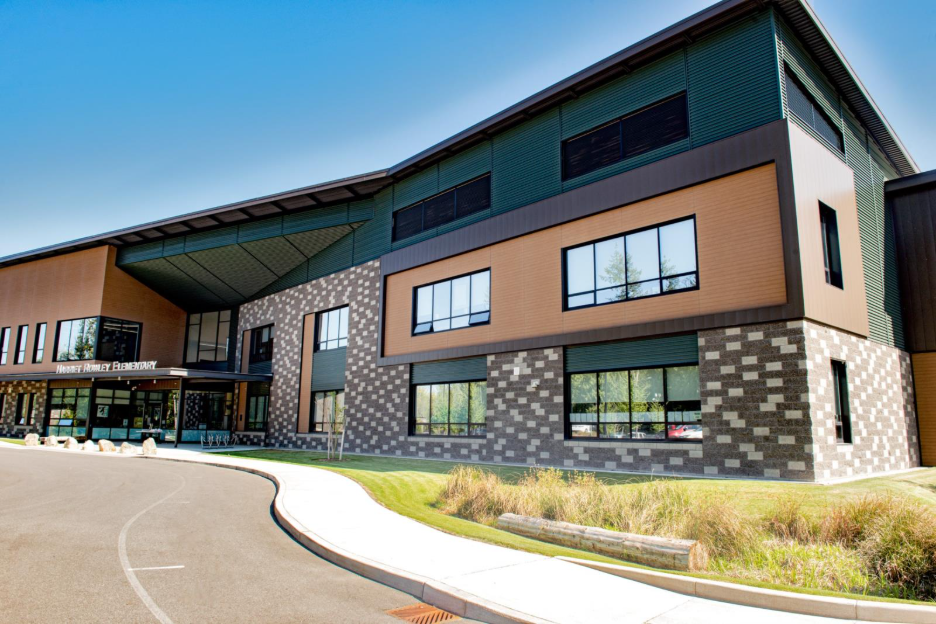
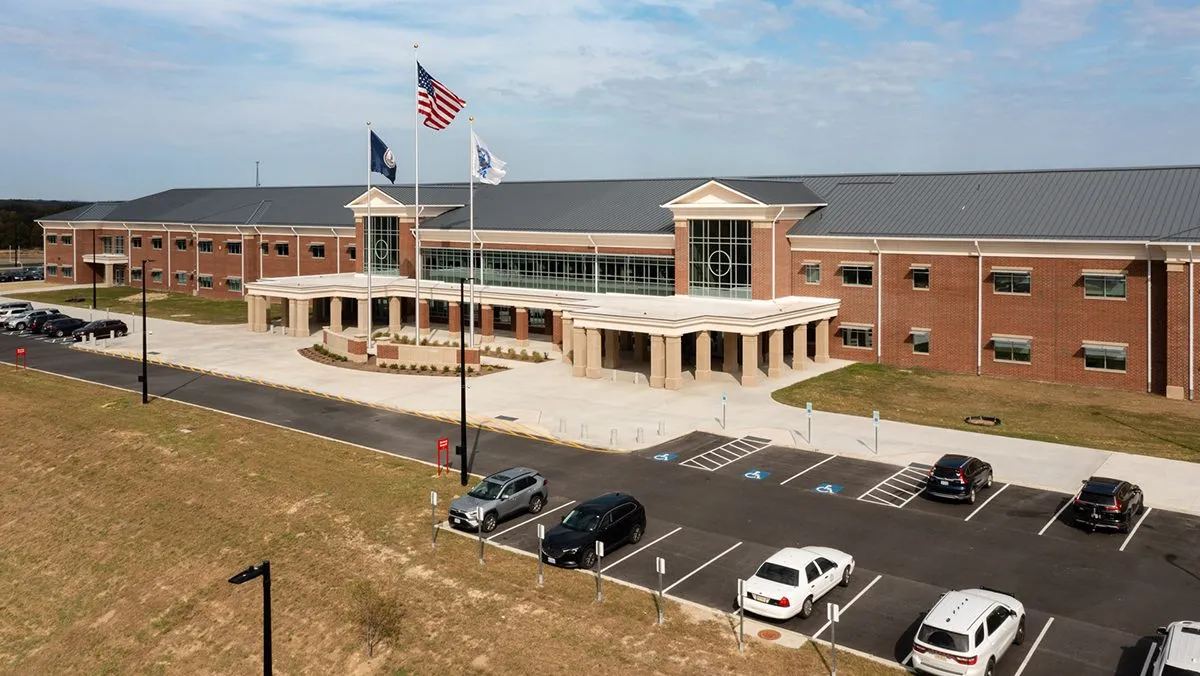
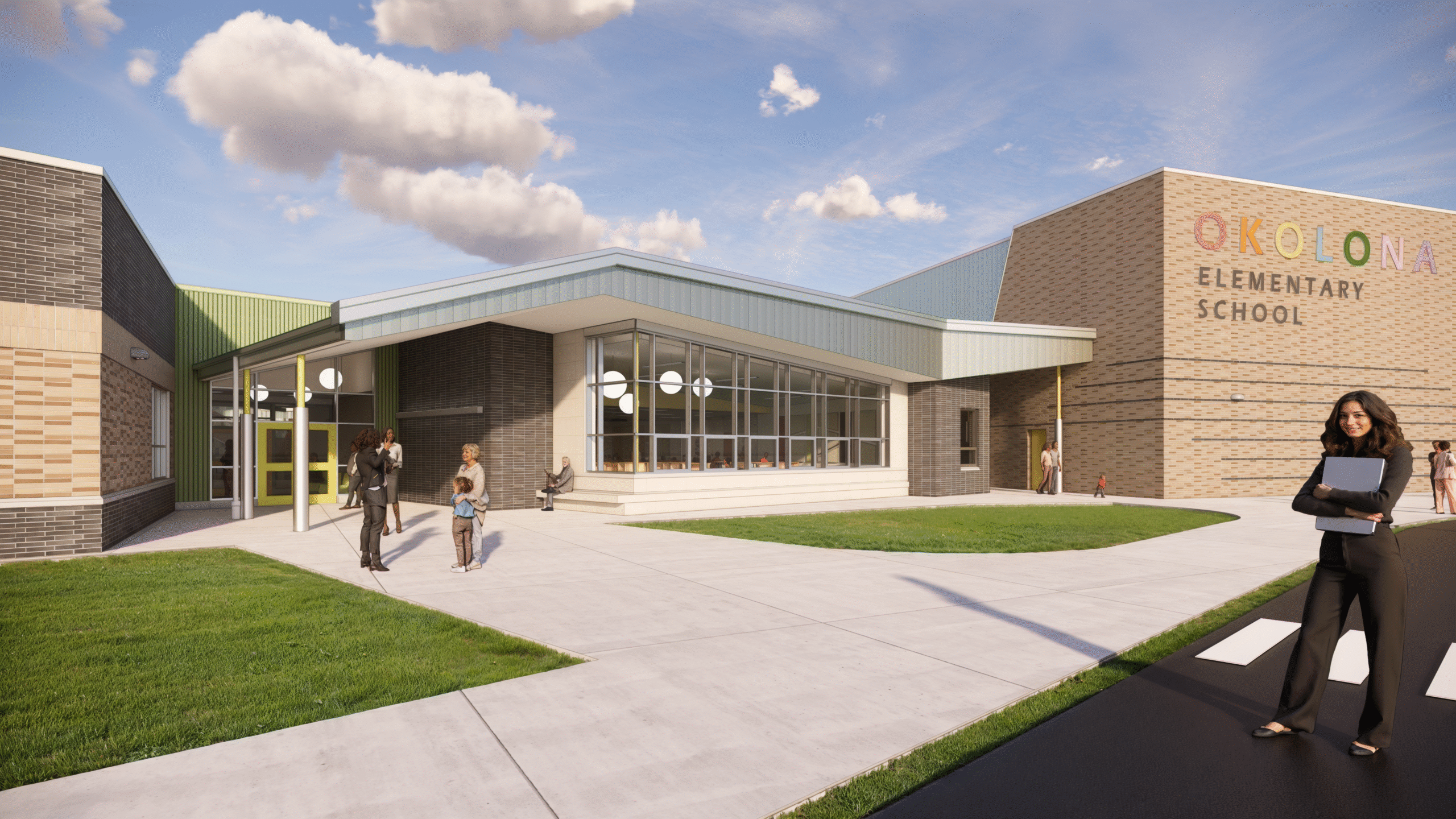
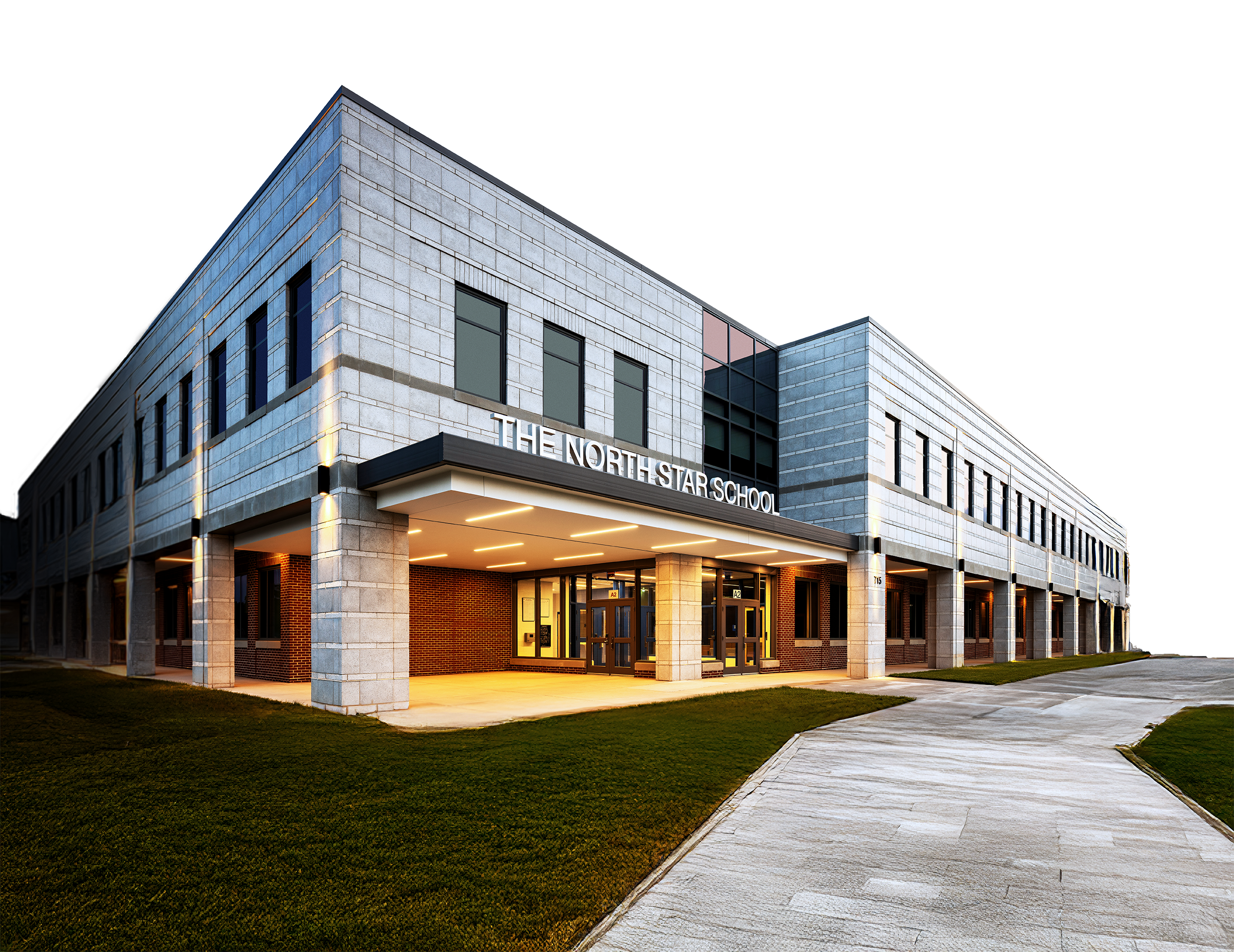
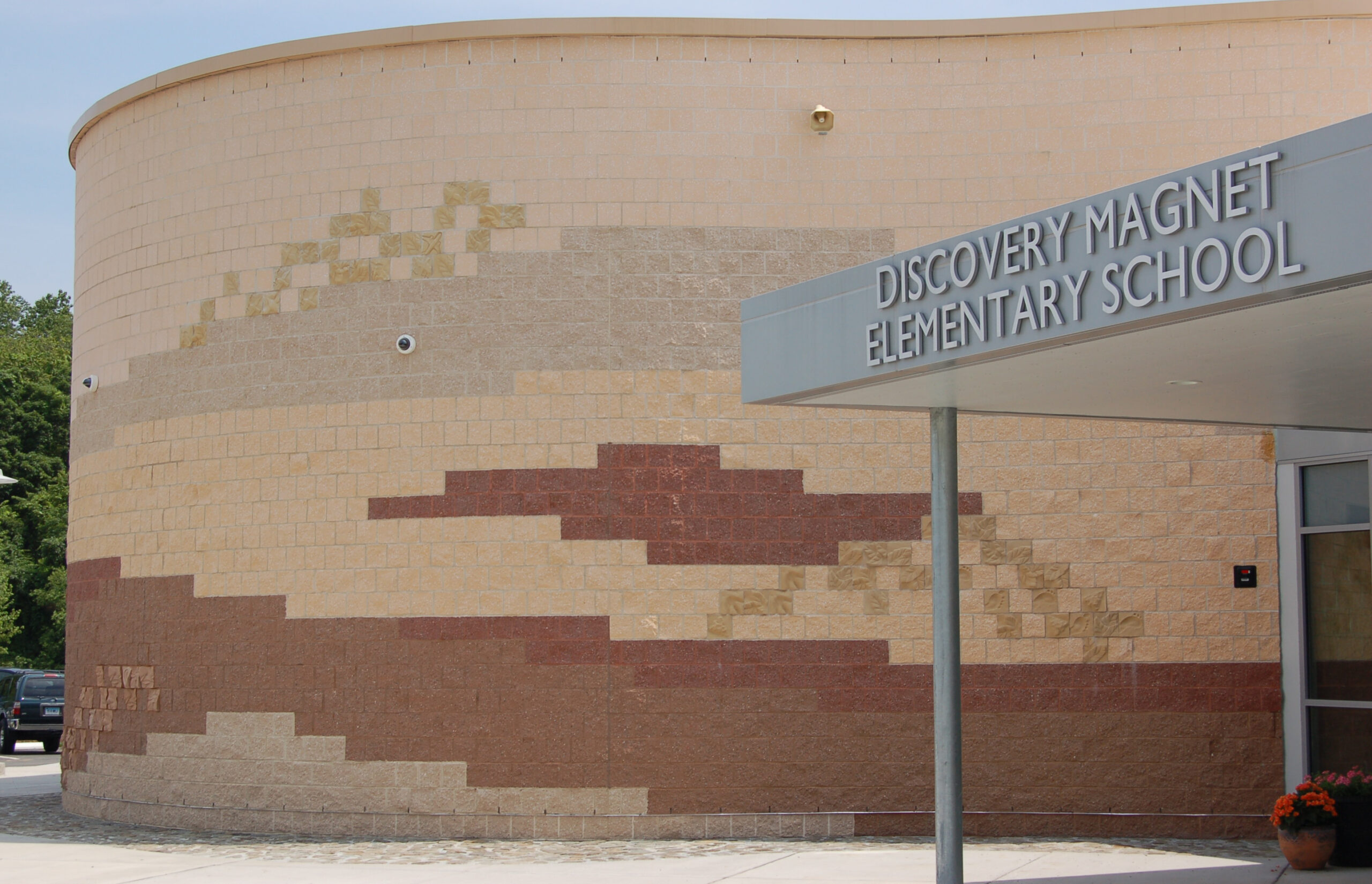
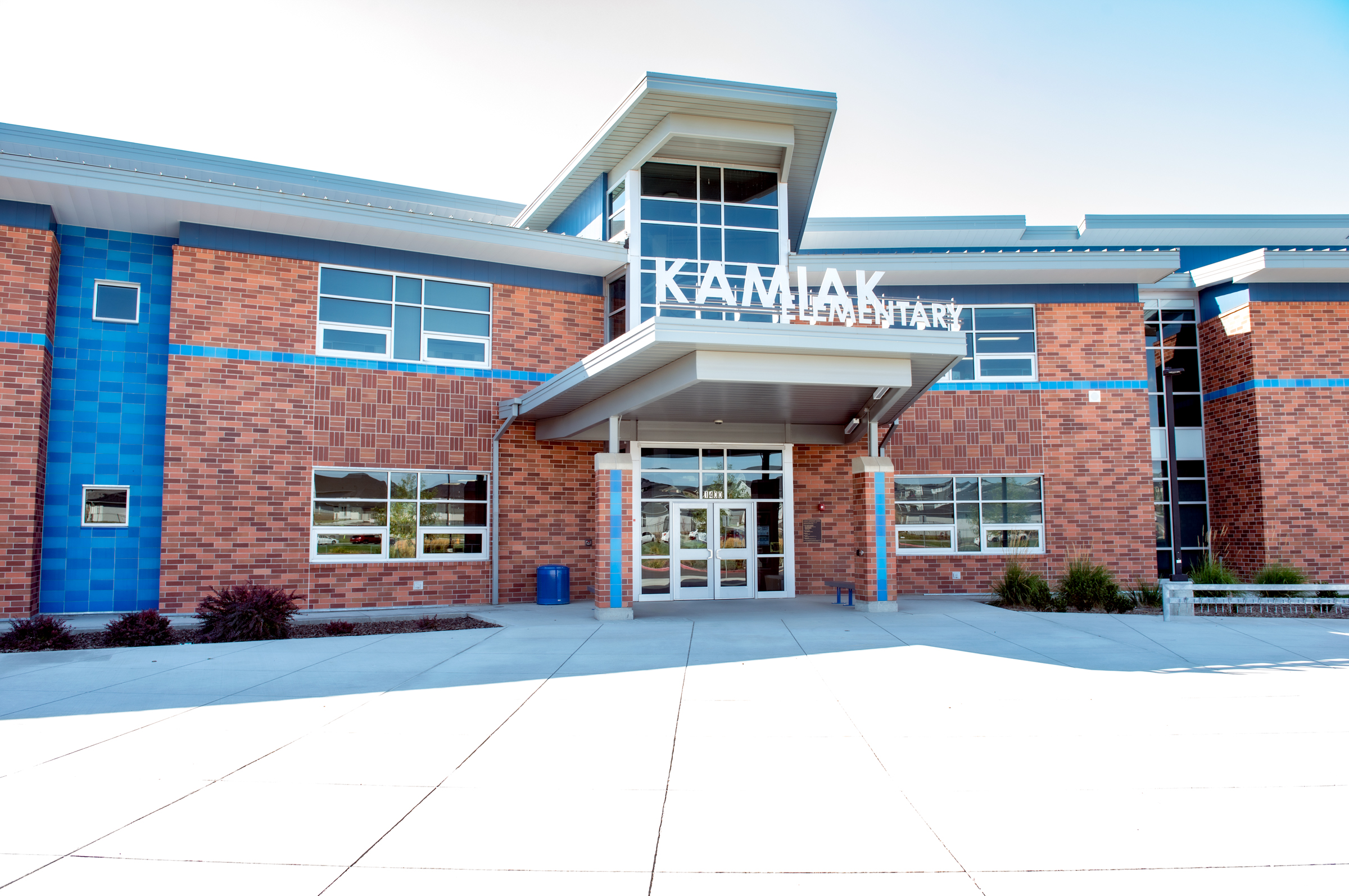
When it comes to building educational spaces that serve generations, complexity isn’t always a sign of progress. Often, the best solutions are the most straightforward. That’s exactly why school districts, architects, engineers and construction leaders are turning back to concrete masonry units (CMUs), or concrete block, for delivering K–12 schools in Louisville and across Kentucky.
Pittsburgh is growing quickly. With new hospitals, tech campuses and research hubs rising across the city, the pressure is on developers to deliver projects quickly and efficiently, all without sacrificing long-term performance. To meet that challenge, more build teams are starting to leverage delegated design and design assist.
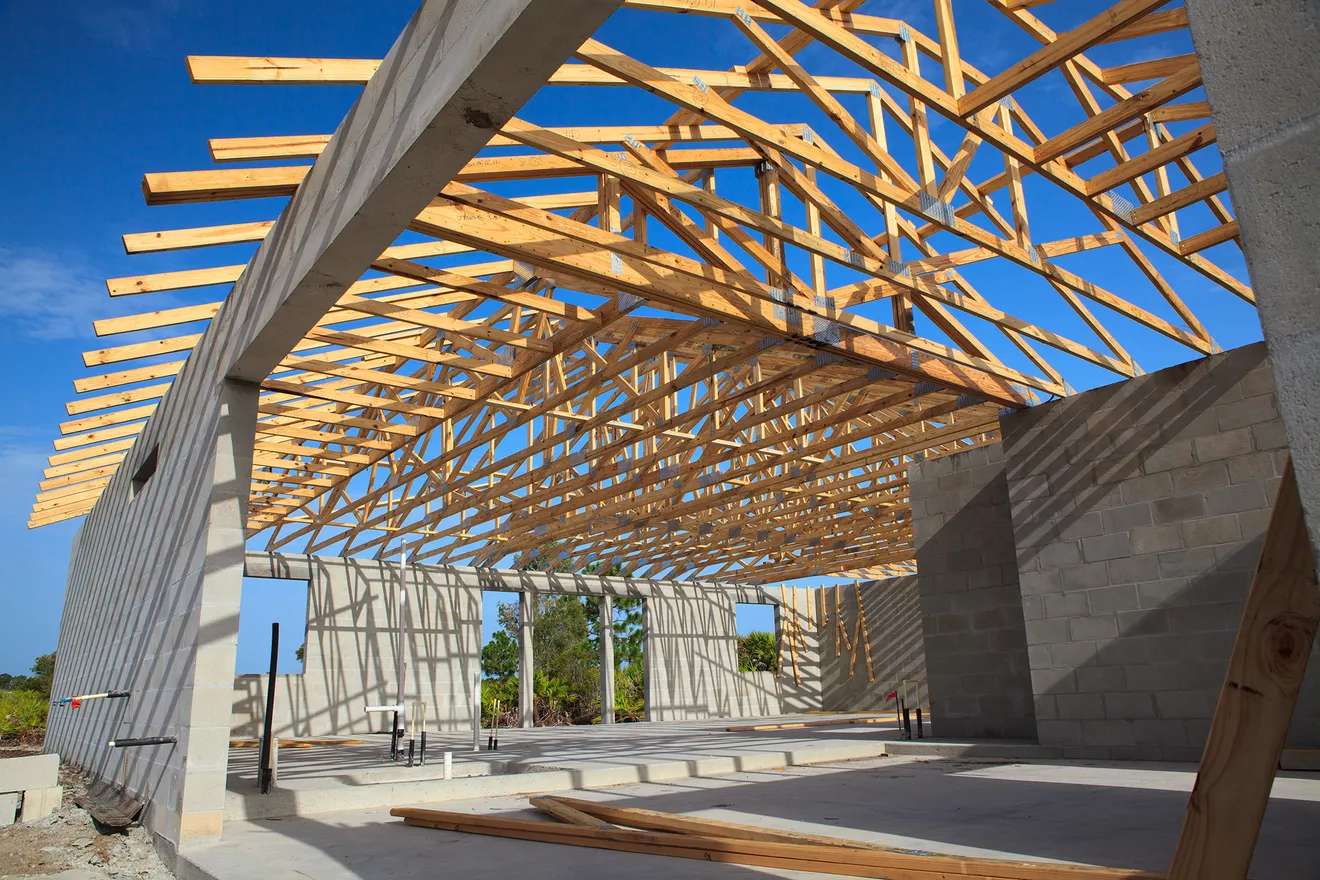
Concrete masonry has long been a staple in New York City construction for good reason. It’s strong, fire-resistant and holds up to everything from harsh winters to urban density. But in a city focused on climatesmart building, concrete masonry units (CMU) may be unintentionally overlooked when seeking low-embodied construction solutions.
In a city where space is tight, schedules are tighter and every project is under the microscope, success in construction doesn’t come from working harder. It comes from working more efficiently. That’s why more Boston architects, engineers and builders are beginning to leverage delegated design — a strategy that brings in specialty expertise early, speeds up delivery and eliminates costly guesswork. It’s especially powerful for systems like concrete masonry (CMU), where structural precision and code compliance can make or break a project.
Every day, millions of students and educators walk into buildings that may not be suited to withstand today’s challenges — whether it’s a fire, severe weather or a security breach. While school safety conversations often revolve around policies and response protocols, it can be easy to overlook the protective power of the buildings themselves.
A home should be your safe space, but when severe storms or other disasters strike, that safety can vanish in seconds. From high winds and flying debris to fires and flash flooding, our climate seems to be hitting back at us harder and more often than ever before.
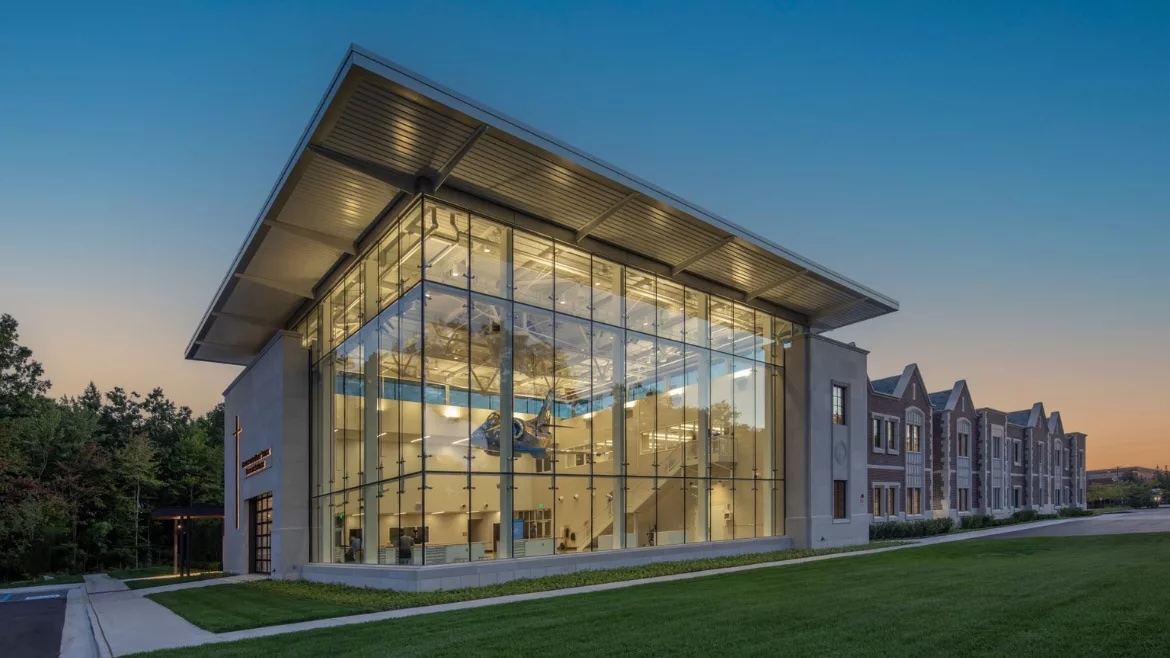
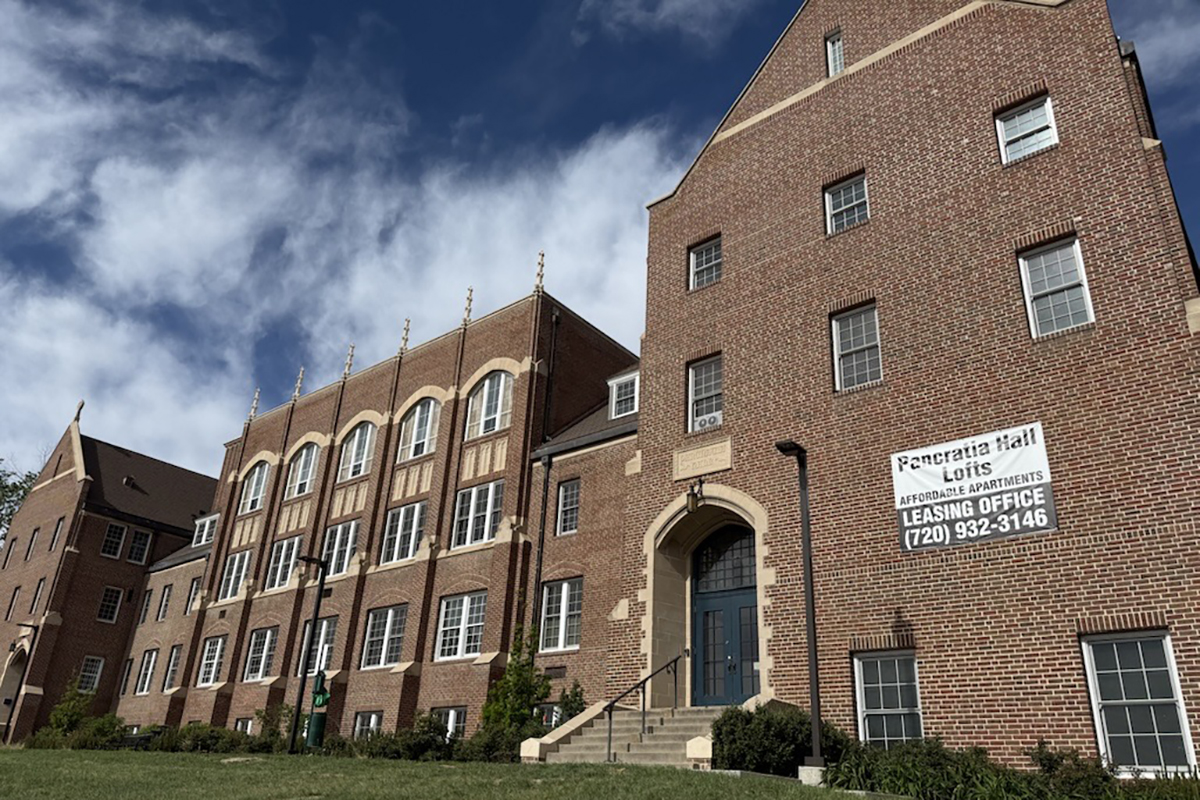
Originally built in 1930 as a collegiate, Gothic-style dormitory, the structure has since been transformed into the Pancratia Hall Lofts, a 74-unit affordable housing complex. Its massive load-bearing walls—constructed of concrete masonry units (CMU)—have stood the test of time.
In the Twin Cities, where building performance expectations are high and budgets are tightly managed, it’s not just about delivering strong design. It’s also about doing it faster, providing more efficient delivery and with fewer costly surprises.
Few cities test a building’s limits like Chicago. From frigid winters and scorching summers to lake-driven winds and dense urban conditions, it’s a proving ground for materials. That’s why architects, developers, and builders here need solutions that not only perform under today’s intense pressures but also contribute to a more sustainable and resilient future.
In the Twin Cities, resilience isn’t a luxury. It’s a requirement. From deep winter freezes and spring floods to intense summer storms and rapid temperature swings, the region faces a wide range of environmental stressors.
In a city like Louisville—where tradition meets transformation—smart building decisions matter more than ever. Whether you’re designing a public school in the Highlands, developing a mixed-use space in NuLu, or engineering healthcare facilities for growth across the greater Louisville area, you need materials that work hard, perform well and hold their value over time.
You know better than anyone that beautiful buildings aren’t just about the design — they’re about performance, durability, and how they stand the test of time. That’s where we come in. At Beauty of Block, we’re here to support the design community with resources that are applicable in everyday designs. 
AIA and the Concrete Masonry Checkoff are committed to driving a more sustainable and resilient built environment.
In the building industry, we often talk about sustainability as though it’s a single concept — one that can be solved with incremental efficiency improvements or material substitutions. But true sustainability goes beyond checking a box for energy efficiency or low-carbon materials. It’s about resilience. It’s about designing and building structures that will stand the test of time economically, environmentally and socially.
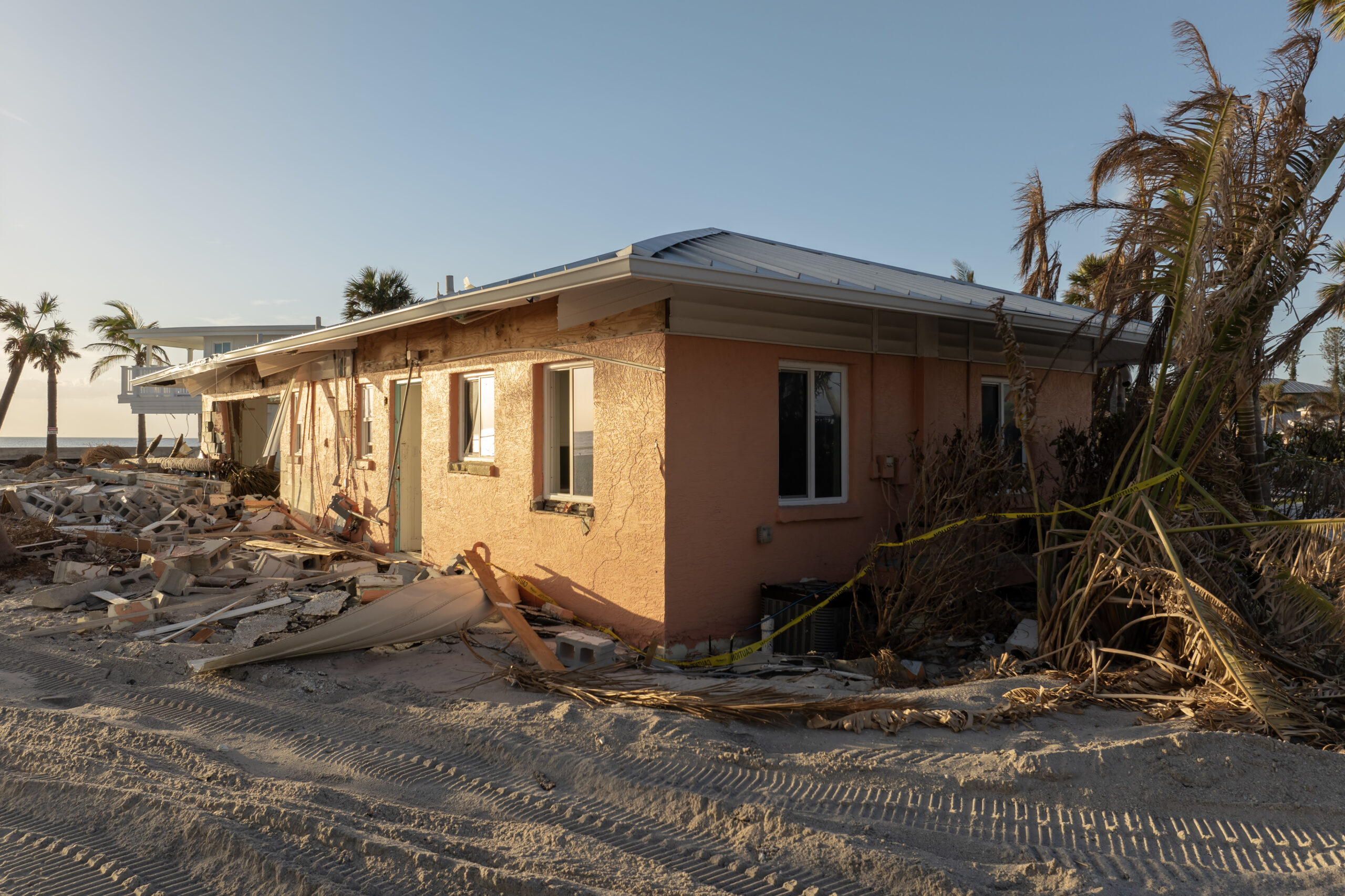
The economic, emotional, and environmental toll tied to this latest string of events has been staggering. Successful evacuation efforts saved countless lives, an obvious win, but many livelihoods were lost along the way. The loss of homes, businesses, and critical infrastructure serves as a stark reminder that we must rebuild with purpose. Breaking this costly cycle of rebuilding each time disaster strikes should compel us to embrace materials and designs that can stand their ground.
Philadelphia’s architectural heritage is deeply rooted in masonry construction, showcasing a rich tapestry of brick and stone. The city has relied on masonry for centuries because of its durability and timeless appeal. But that’s not to say Philly is stuck in the past — far from it. Amid Philadelphia’s current development boom, modern building techniques pair tradition with innovation.
The Concrete Masonry Checkoff (CMC) has issued a request for proposal (RFP) seeking qualified design professionals and firms for its Block Design Collective (BDC), a destination where architects and engineers can access free CMU project support and design assistance. The submission deadline for the RFP is Monday, June 30, 2025.
Building a home? Here are five key considerations when building a home in wildfire-prone areas to improve fire resistance.

Photo courtesy of Jandris Block. As climate extremes and environmental accountability coalesce, the need for more resilient structures has never been more apparent. More and more commercial real estate developers find themselves under the gun to rebuild at a feverish pace after disaster strikes.   The critical question remains: when will we start constructing buildings that […]

CMC shares in the Code Council’s vision to drive meaningful change through safe, affordable and sustainable structures, and concrete masonry units can play a key role. While concrete masonry units (CMU) are often praised for their strength, many of its economic and environmental benefits remain underutilized or overlooked altogether. Last October, I spoke at the […]

HERNDON, Va. (December 17, 2024) – The Concrete Masonry & Hardscapes Association (CMHA) and Concrete Masonry Checkoff (CMC) are teaming up to host a first-of-its-kind Block Promoters Conference March 4-5, 2025, in St. Louis, Missouri. The newfound educational event—Building Blocks of Success: Promoting Concrete Masonry with Confidence—gives industry professionals the tools and techniques they need […]

Denver, Colo. (December 10, 2024) – The Concrete Masonry Checkoff (CMC) Board reaffirmed its commitment to driving industry growth by conditionally approving a robust $5.7 million in funding across 27 programs, seven of which were renewals, signaling strong returns in the early stages and an eagerness from the Board to re-invest. “We know the importance […]

Many of today’s structures succeed in meeting the minimum standard of safety: saving lives. But what about peoples’ livelihoods? Total-loss scenarios can largely be prevented with CMU construction, so communities and businesses are better able to bounce back when disaster strikes.
Despite being a construction staple for generations, the economic and environmental advantages of concrete masonry often underutilized or unknown altogether. With block, designers don’t have to choose between looks and longevity, or sacrifice strength for stewardship—a distinct advantage when the name of the game is doing more with less.
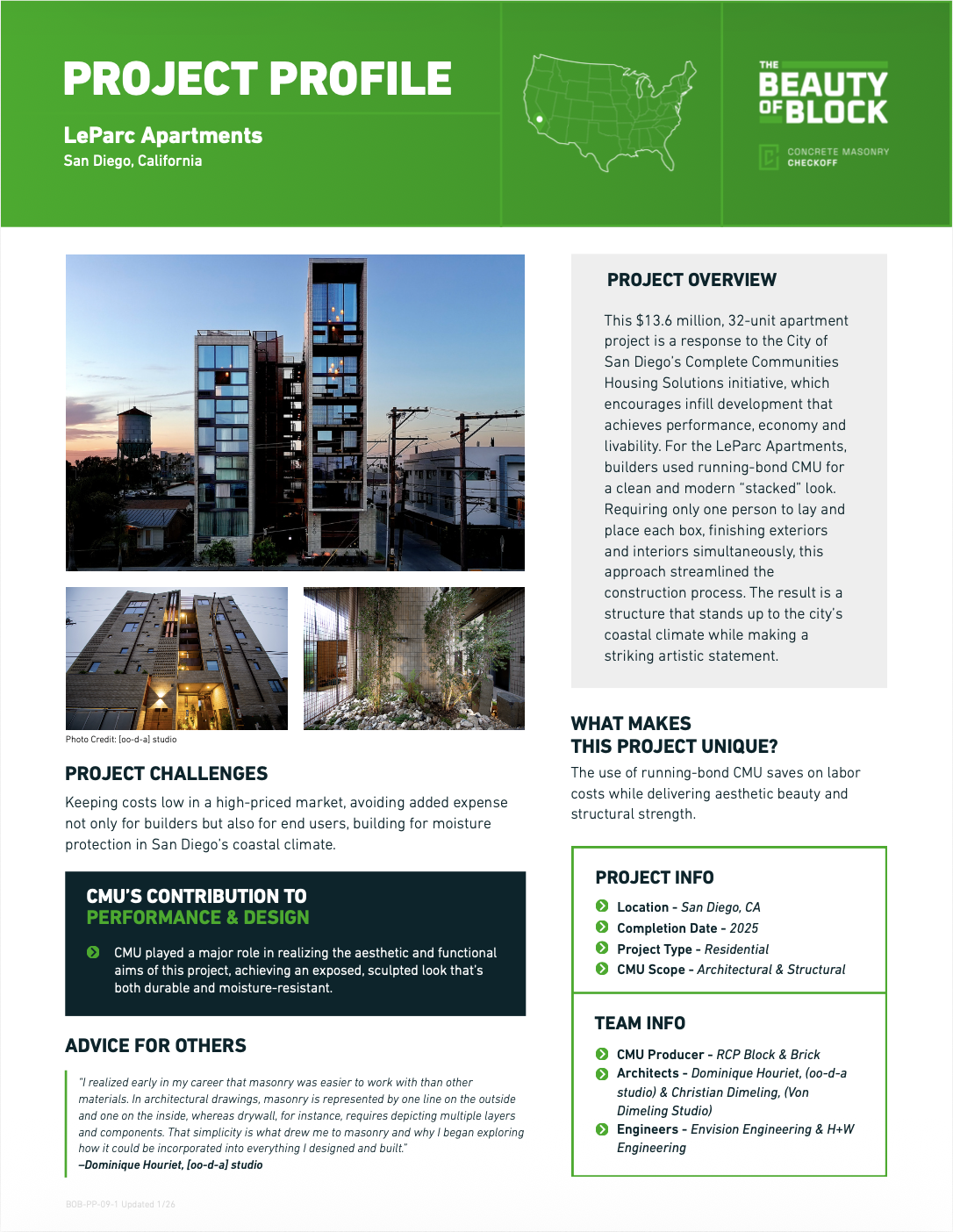
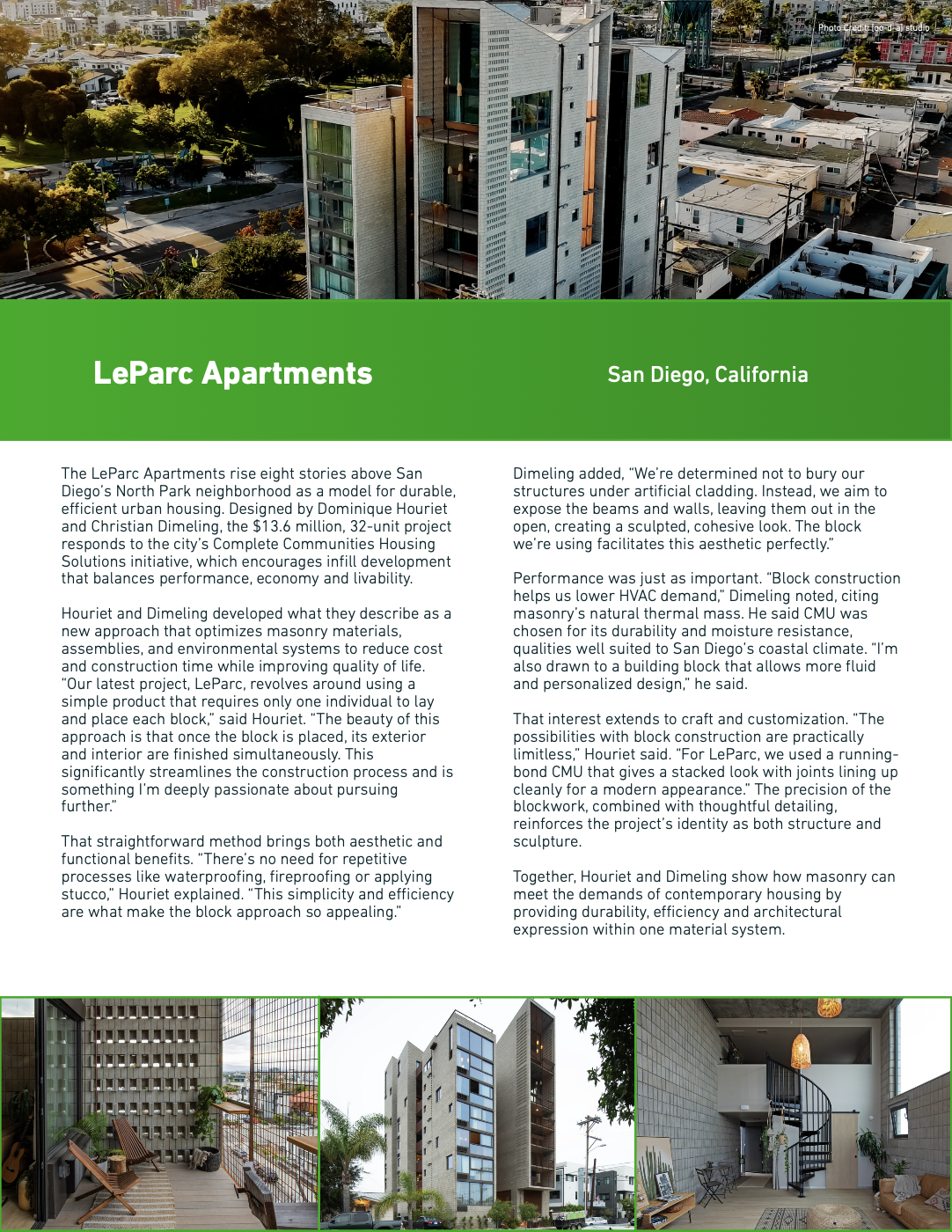
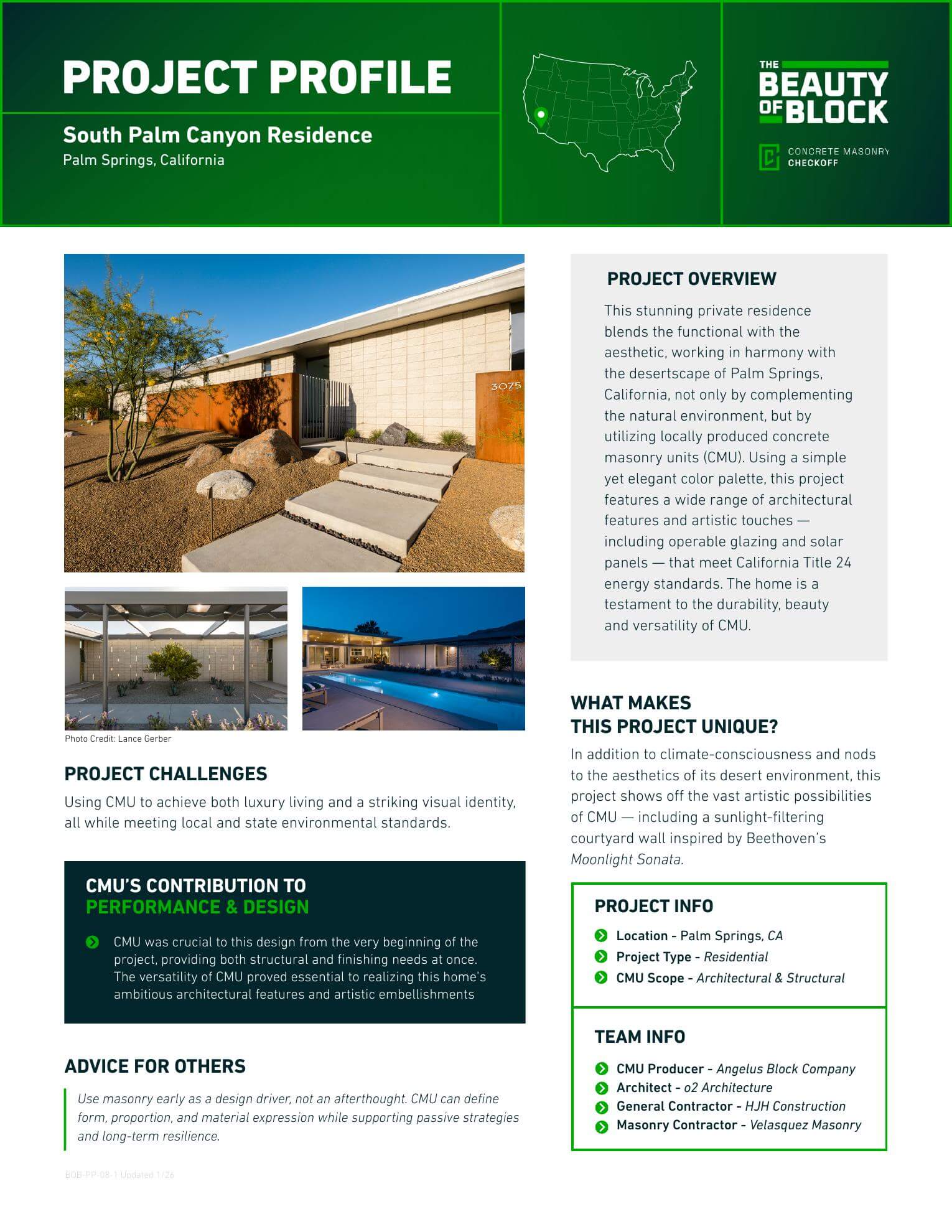
Le Parc Residence in San Diego, designed by Dominique Houriet and Christian Dimeling, highlights how concrete block delivers affordability, efficiency, and style, redefining modern multifamily design.
At its core, this campaign is about shining a light on some of the lesser-known benefits of concrete block. Most people attribute our product with brute strength, but that’s just the beginning. It’s safe, stunning and a model of efficiency.
Did you know that last year alone, the U.S. saw 28 weather-related disasters exceeding $1 billion in damages, according to the National Oceanic and Atmospheric Administration? While no one can predict or stop Mother Nature, you can choose to build with materials that are better designed to withstand her wrath.
Newfound Concrete Masonry Checkoff shines spotlight on the unexpected benefits of building with block.

Media Resources

Whether you’re looking for spokespeople with a new perspective, stunning examples of CMU structures in the wild, or the latest facts and figures, you’ve come to the right place..

RESOURCES

Explore the resources below for more insights on how to incorporate concrete masonry to enhance the resilience of your designs.

LEARN

Build your CMU IQ with FREE online courses.

WHY BLOCK?

Discover how block delivers 
it all – strength, style, sustainability and more.

DESIGN

FREE resources — project support, design guides, calculators and more.

Facebook
LinkedIn
Facebook
LinkedIn
Facebook
LinkedIn
Facebook
LinkedIn

We value your privacy

We use cookies on our website to give you the most relevant experience by remembering your preferences and repeat visits. By clicking “Accept”, you consent to the use of ALL the cookies. However you may visit Cookie Settings to provide a controlled consent.