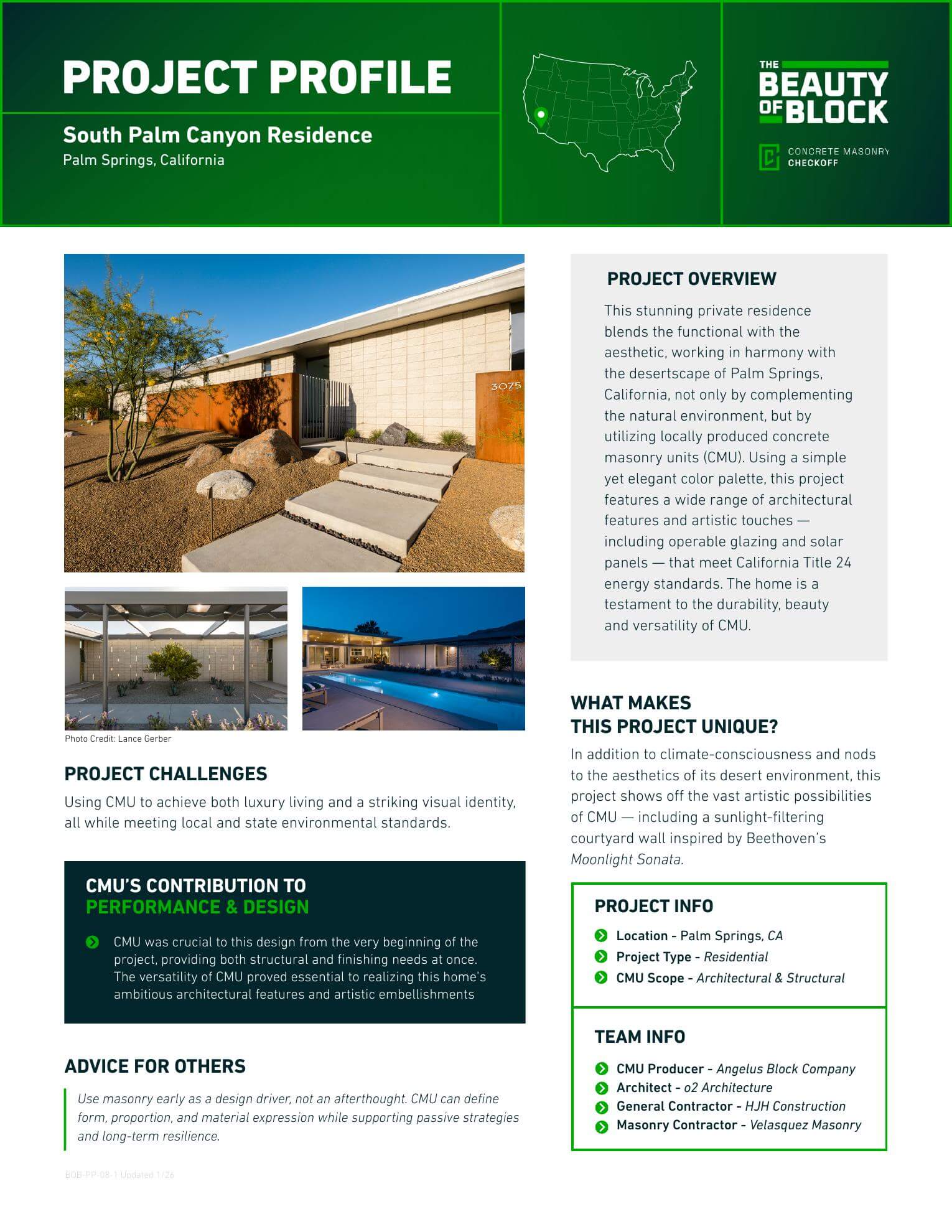
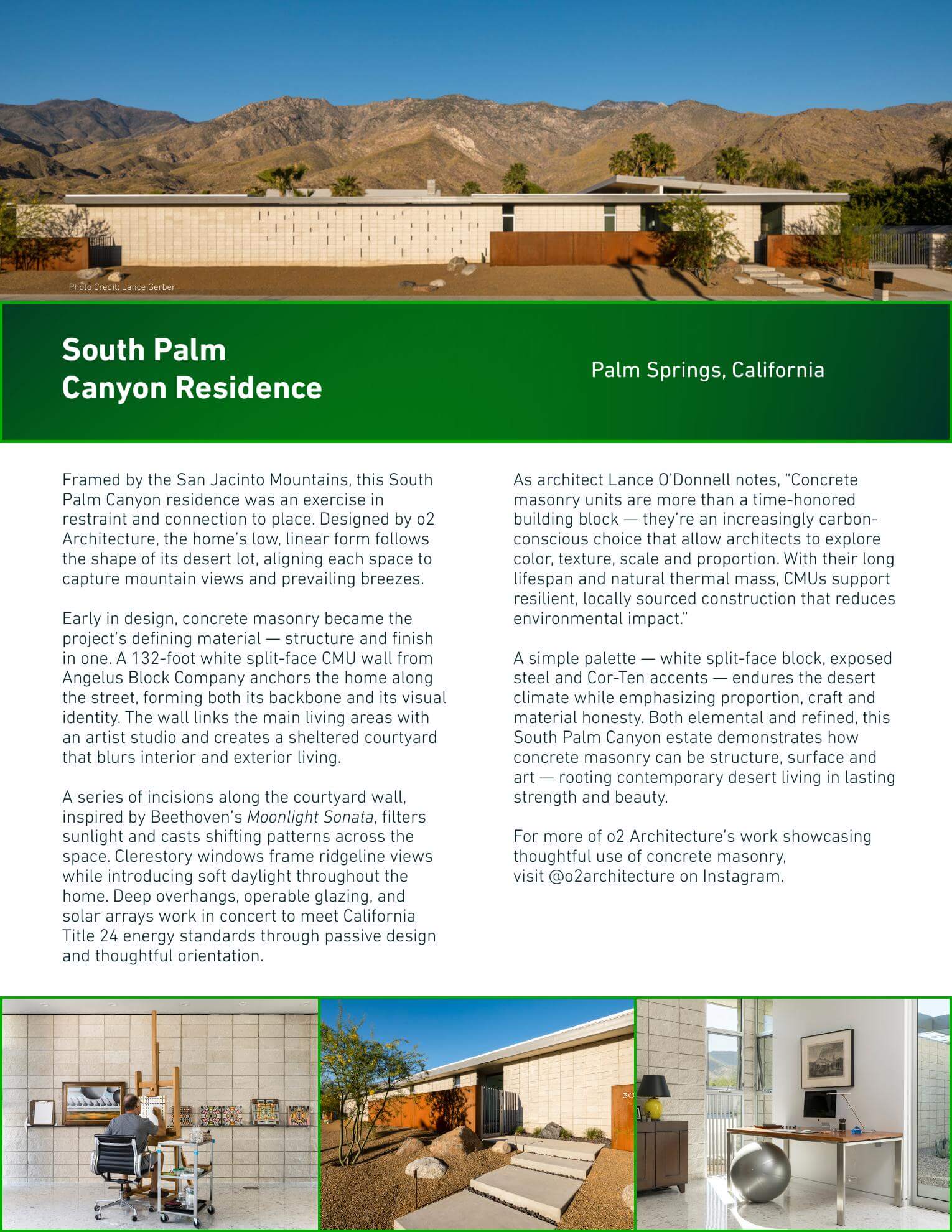
built for decarbonization

a proven path to lowering carbon.

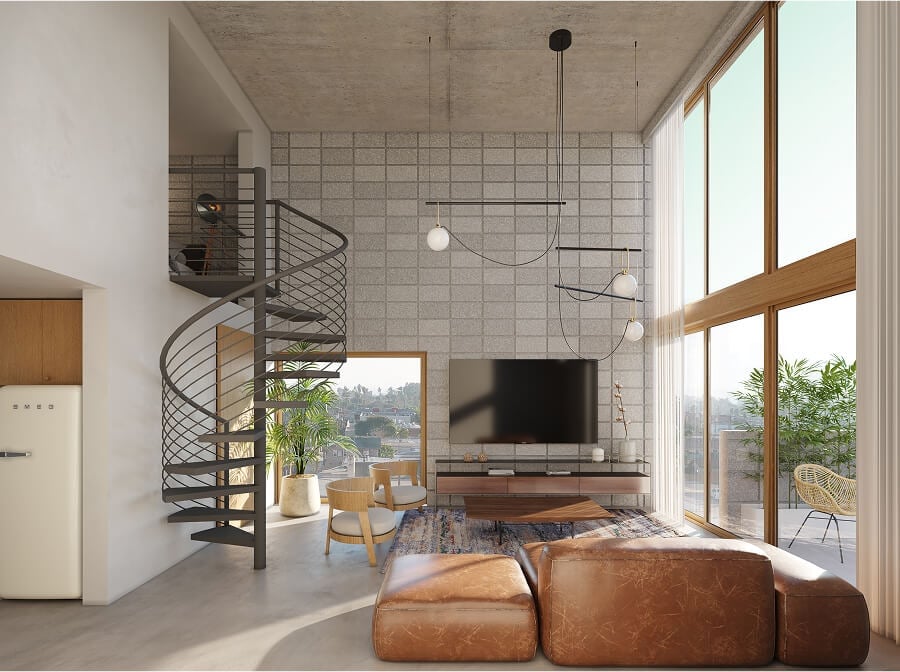
SOURCE: ORCO Block

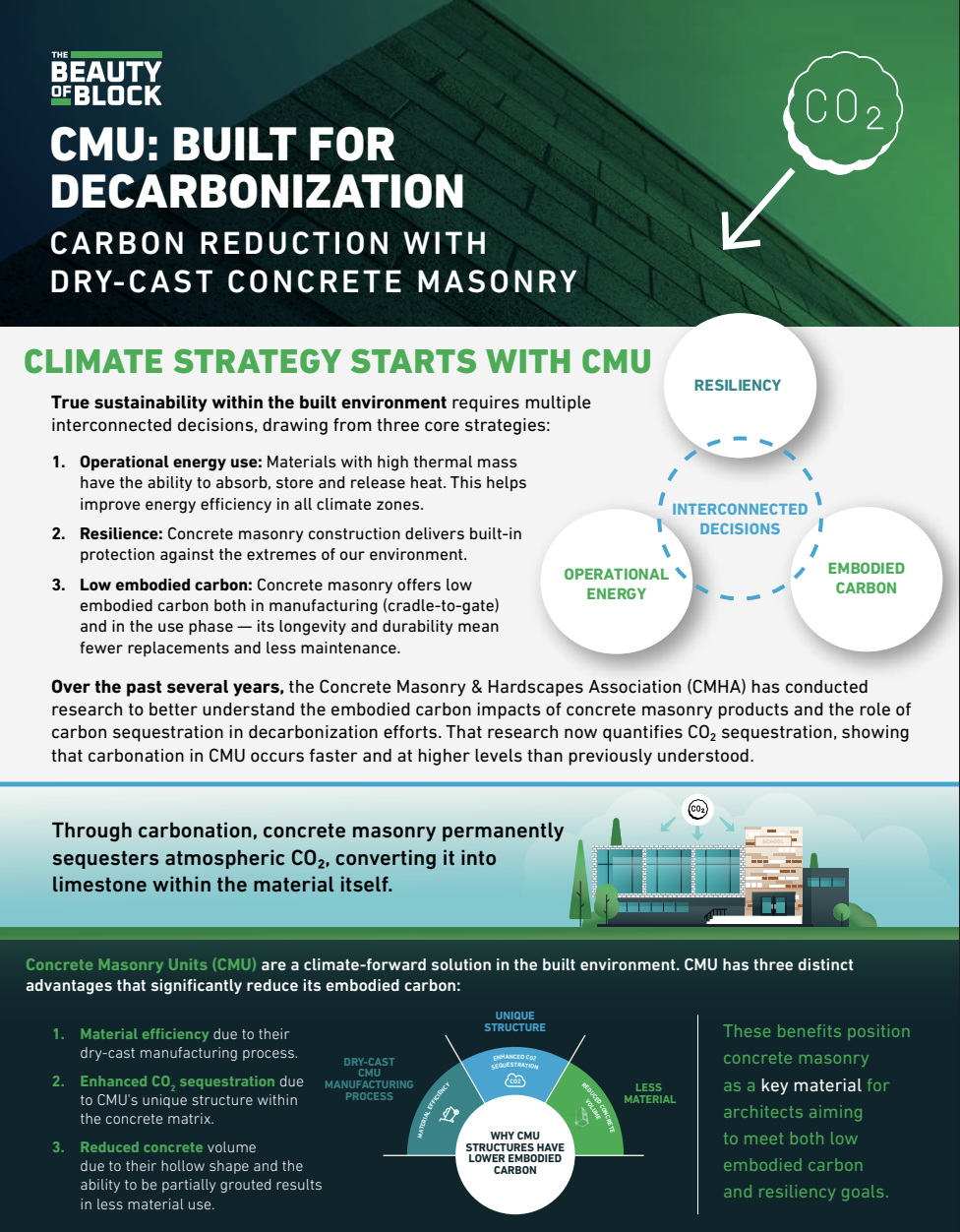
CMU uniquely combines low-embodied carbon, rapid carbon sequestration and resilient performance in a single system.

EVERY DESIGN CHOICE IS A CARBON CHOICE.

Nearly 40% of construction’s carbon comes from building materials. CMU offers a practical way to lower that impact without jeopardizing longevity.

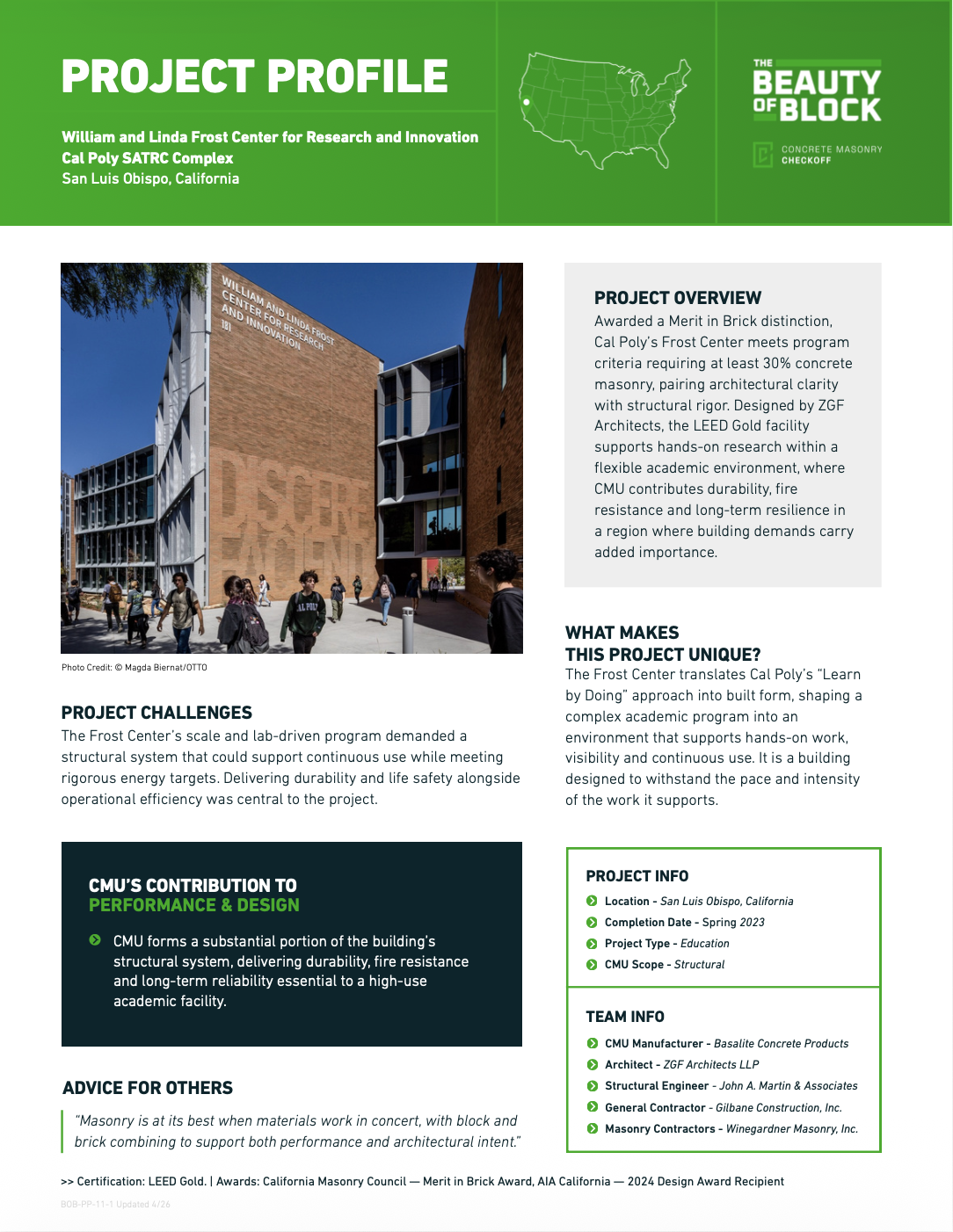
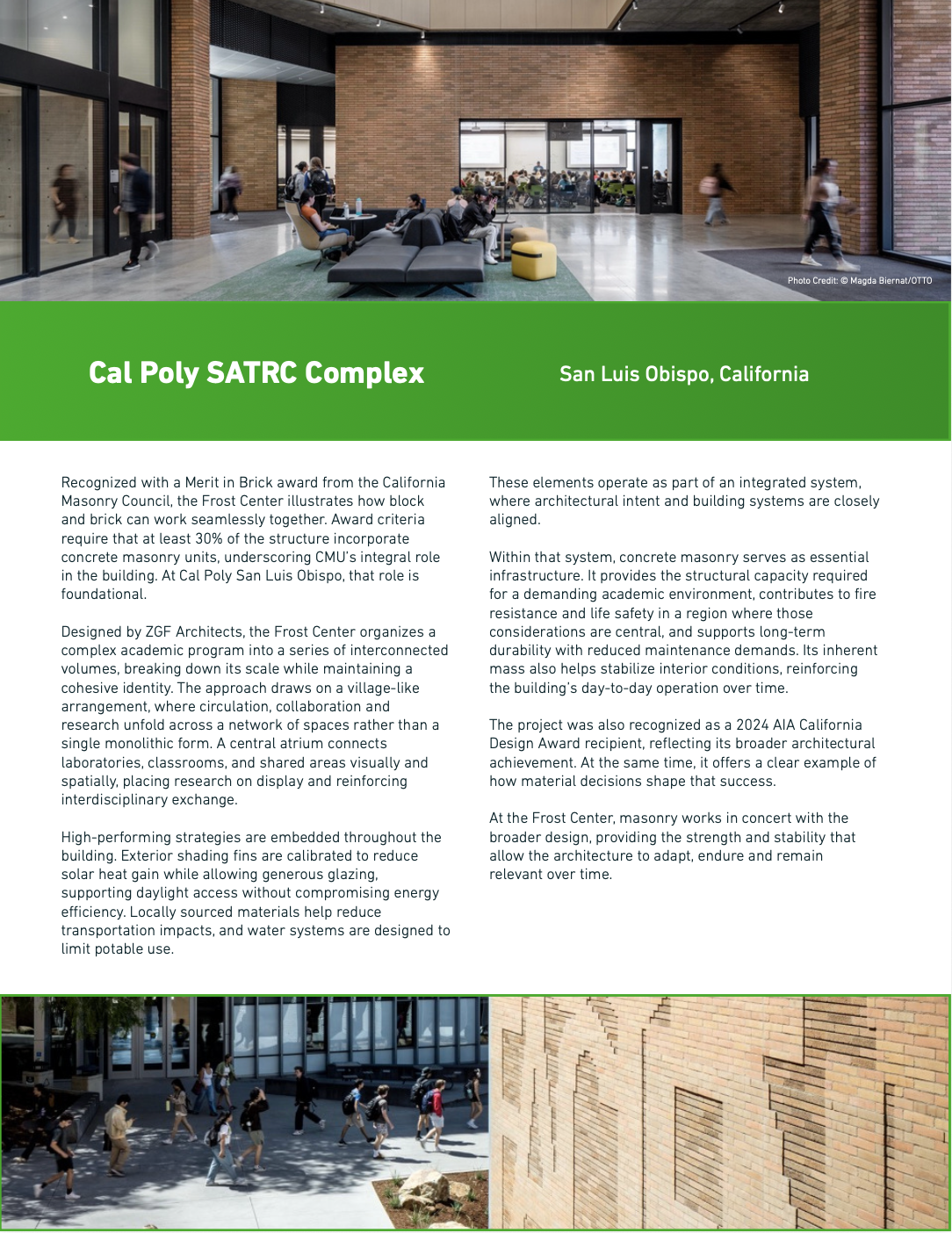
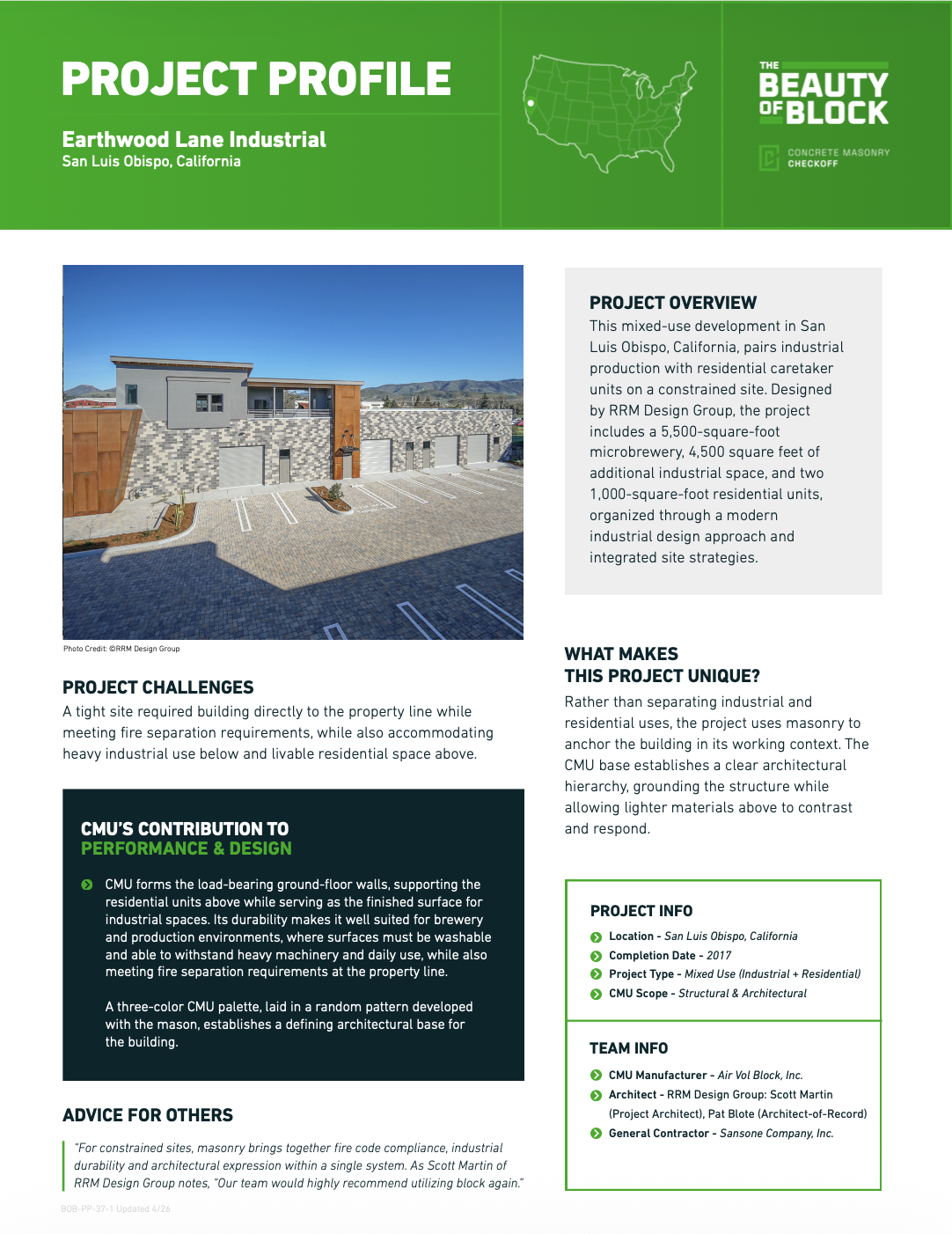
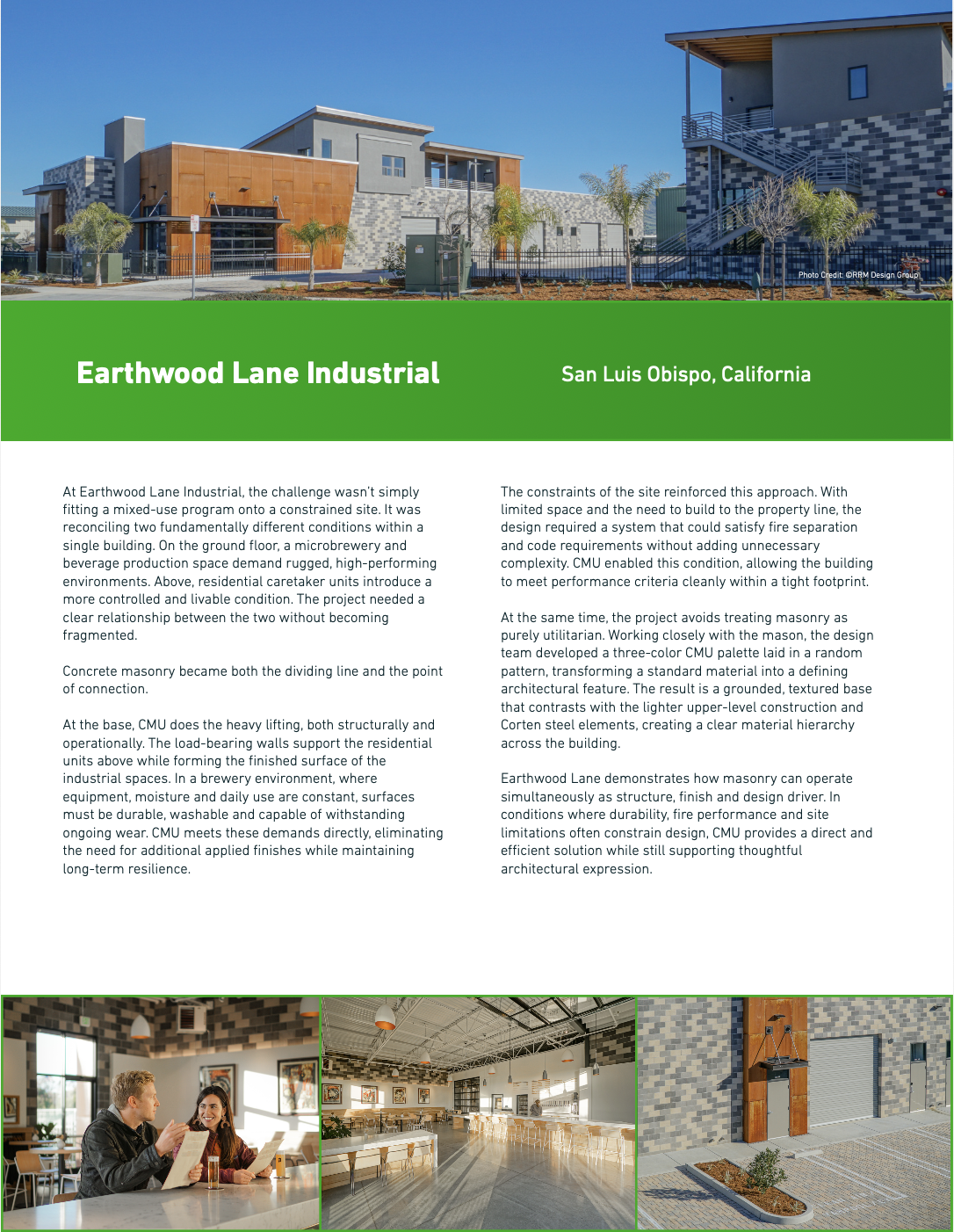
Concrete masonry units are more than a time-honored building block—they’re an increasingly carbon‑conscious choice that architects eloquently use to explore color, texture, scale, proportion, and pattern. With their long lifespan, minimal maintenance, natural thermal mass, fire resistance, and ability to sequester carbon, CMUs reduce environmental impact while supporting resilient, locally sourced construction.

— Lance C. O’Donnell, o2 Architecture

CAPTURES CARBON FAST. KEEPS IT FOREVER.

Research shows CMU continues absorbing CO2 throughout its service life and beyond.

absorbed in
the first month

0 %

absorbed
by year two

0 %

CARBON-SMART BY DESIGN

Credit: Concrete Masonry & Hardscapes Association

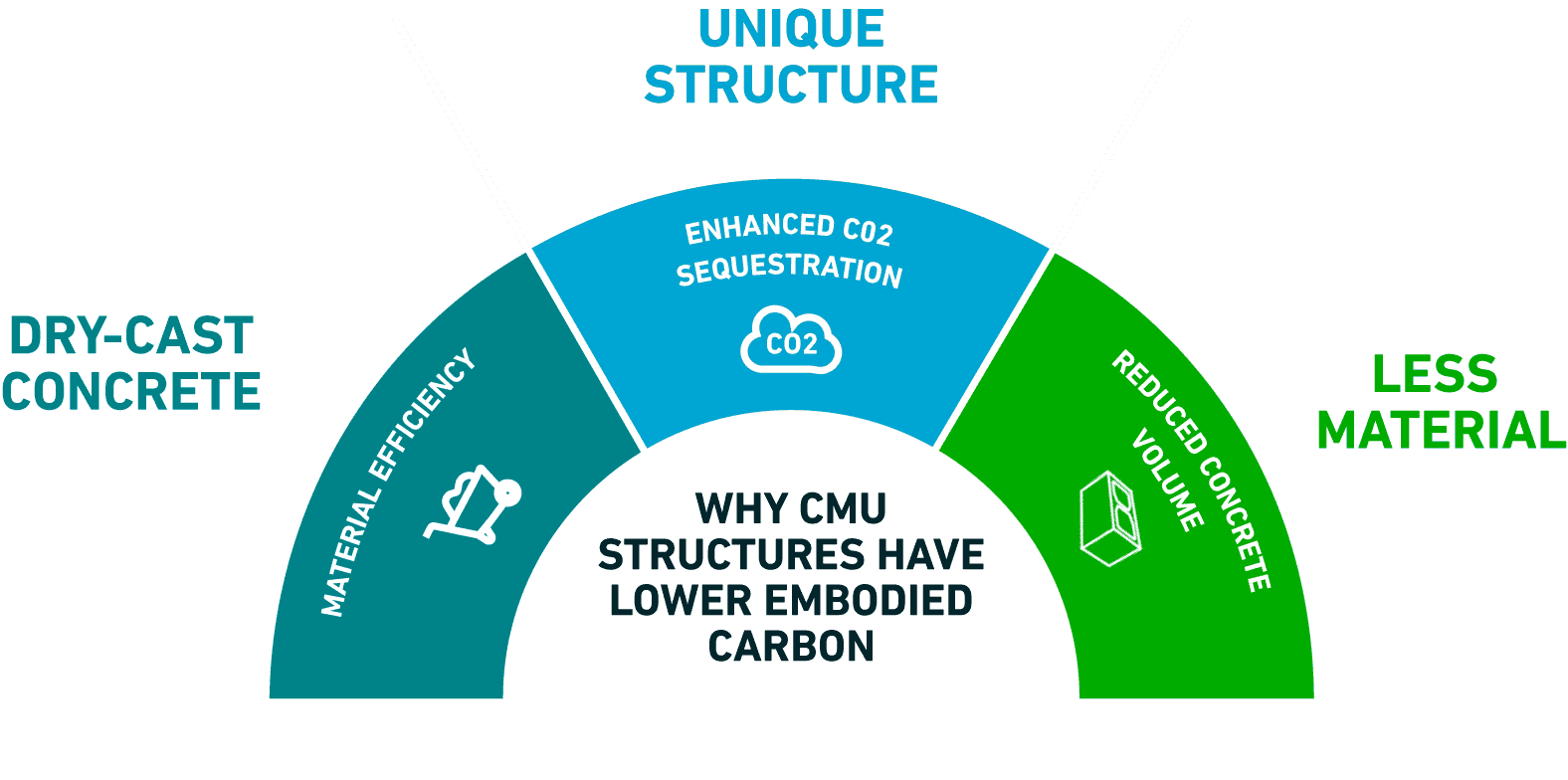
CMU’s climate advantage comes from its dry-cast manufacturing process: low water, less cement, and a unique concrete matrix which enables faster CO₂ sequestration. Their hollow shape uses less volume of concrete in wall assemblies and maximizes surface area for carbon uptake.

LEARN ALL ABOUT THIS

IN OUR FREE,

ON DEMAND 3-PART SERIES.

Enter your email to sign up
for our Embodied Carbon Series

THE MOST SUSTAINABLE STRUCTURES

ARE THE ONES THAT LAST.

Built to last for generations, CMU’s durability reduces the need for replacement — lowering lifecycle emissions over time.

Maintenance
emissions are up to 75% lower than light-frame construction. *Department of Energy, 2024.

RESOURCES

Explore the resources below for more insights on how to incorporate concrete masonry to enhance the resilience of your designs.

LEARN

Build your CMU IQ with FREE online courses.

WHY BLOCK?

Discover how block delivers 
it all – strength, style, sustainability and more.

DESIGN

FREE resources — project support, design guides, calculators and more.

reality check

No. Concrete masonry units (CMU) have all the durability and resiliency of concrete structures with significantly lower embodied carbon. Their dry-cast manufacturing process uses less cement and water, producing a unique concrete matrix that accelerates natural CO₂ sequestration. In addition, their hollow design uses less total concrete in the wall assembly when partially grouted and provides more surface area for carbon uptake.

CMU is durable, recyclable, and long-lasting. Buildings often exceed 100 years of service life, which reduces the need for replacement materials and lowers use phase carbon impact over time.

Many producers are integrating supplementary cementitious materials (like fly ash or slag) that can cut embodied carbon by up to 40%. Some are also piloting CO₂ curing, a process that can allow for lower carbon cements to be used, and may also enhance natural carbon sequestration rates and performance.

CMU’s thermal mass can reduces heating and cooling demand, in some cases by up to 50%. When paired with passive design strategies, it supports net-zero operational energy goals.

When the modularity of the units is incorporated into the dimensions of the building and openings, jobsite waste is minimized. If units do end up as construction waste, they can be reused or crushed for and used as aggregate, reducing demand for virgin resources.

CMU is an inherently non-emitting material. CMU contains no added urea-formaldehyde, minimal volatile organic compounds (VOCs), and does not off-gas over time. Its inorganic composition also resists mold, rot, and mildew, helping maintain a stable, healthy indoor environment without contributing to airborne contaminants.
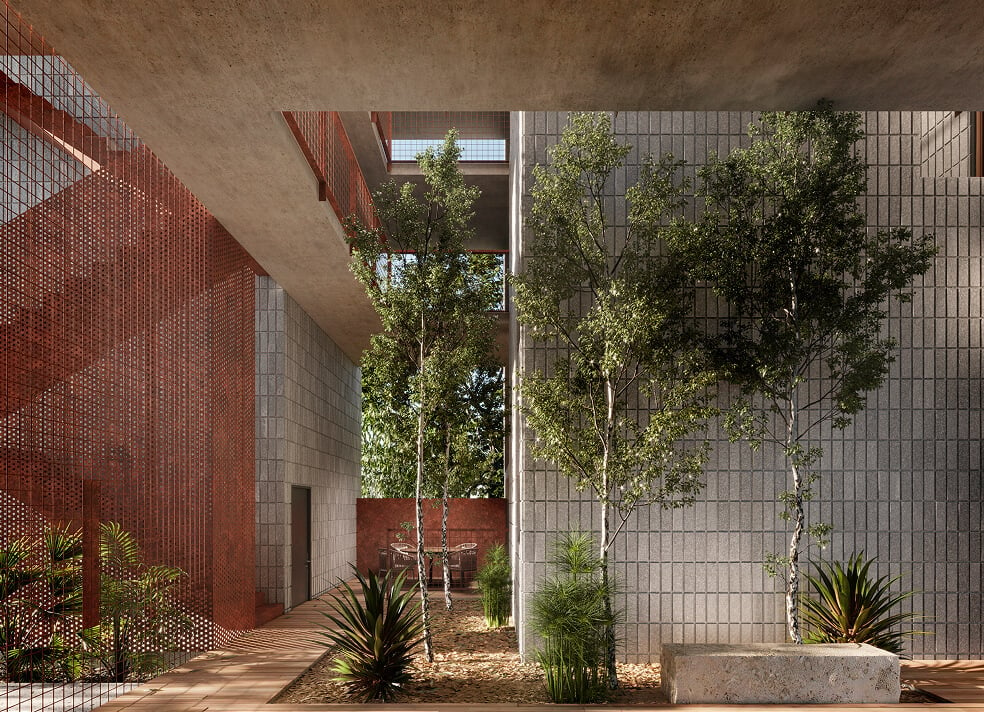
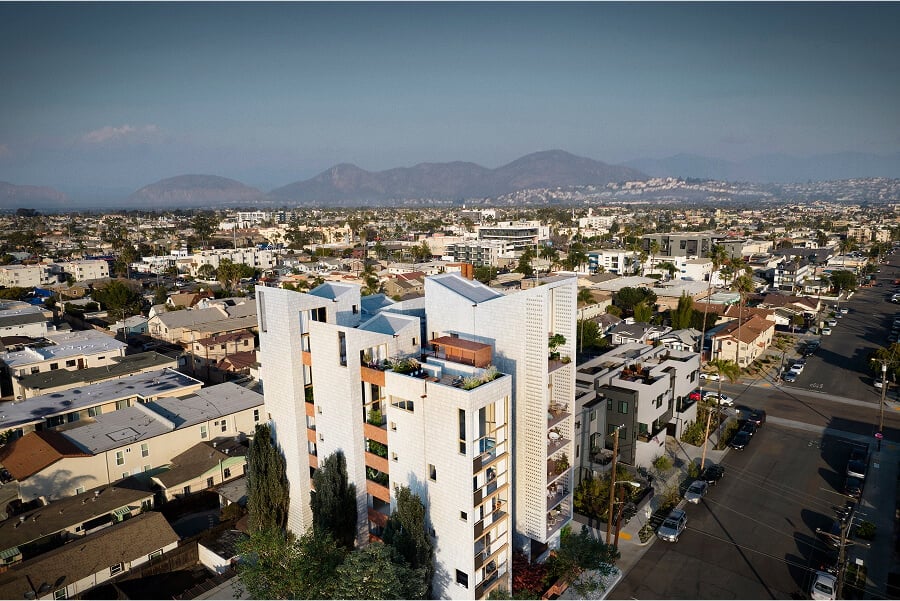
Most CMU is produced within 50–100 miles of projects, strengthening local economies and cutting transportation emissions compared to materials that are imported or hauled long distances.

Concrete masonry buildings are exceptionally durable—many last 100 years or more with minimal maintenance. That long service life means fewer replacements, repairs, and rebuilds, which avoids the additional embodied carbon that would come from manufacturing and transporting new materials. Simply put, the longer the building lasts, the less new carbon needs to be invested over its lifetime.

CMU is recyclable. It can salvaged for new construction crushed into aggregate for new concrete, or reused as road base supporting a circular economy.

Visit the Block Design Collective for the full story on carbon, performance, and design guidance.

Facebook
LinkedIn
Facebook
LinkedIn
Facebook
LinkedIn
Facebook
LinkedIn

We value your privacy

We use cookies on our website to give you the most relevant experience by remembering your preferences and repeat visits. By clicking “Accept”, you consent to the use of ALL the cookies. However you may visit Cookie Settings to provide a controlled consent.