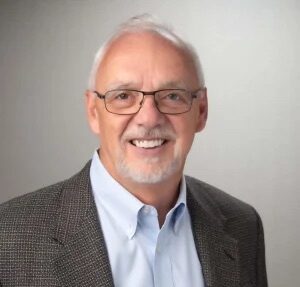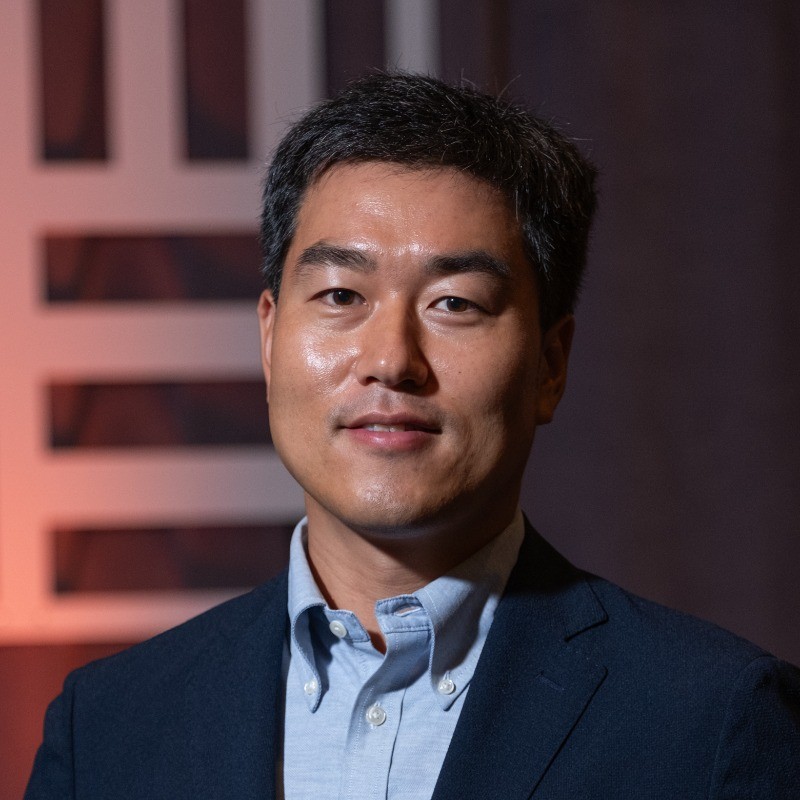
When Associate Professor Jeyoung Woo, Ph.D., P.E., talks about building stronger communities, he means it literally.
At Cal Poly Pomona, Dr. Woo is helping shape the next generation of students who will design and construct California’s homes, schools and infrastructure — in a state where wildfires and earthquakes have rewritten what “resilient design” really means. And he’s opening eyes and ears with concrete masonry.
The Eaton fires of 2024 hit home for many of Dr. Woo’s students.
“Every year, our students see wildfires destroy homes and entire neighborhoods,” Woo said. “Some of them have even lost their own houses. When we talk about resilience in class, it’s not theoretical — it’s personal.”
That reality is driving Woo and his colleague, Professor Jinsung Cho, Ph.D, to rethink how future builders are trained. With support from the Concrete Masonry Checkoff program and COMPASS Project (Concrete and Masonry Professional Developments and Supports for Students), they’re introducing students to the advantages of concrete masonry — a material long overlooked in California’s residential construction but proven in places like Florida and Texas.
“California builds almost everything with light wood framing,” Woo explained. “But after every fire, you see the same pattern: The only structures still standing are made of concrete or masonry. That got our students asking the right question — why not here?”
Through classroom modeling, estimating labs and site visits, Woo’s students are now comparing masonry and wood head-to-head. They’re learning how CMU resists fire, reduces insurance risk and supports local manufacturing — all while offering more predictable costs and performance.
For many of his students, it’s an eye-opening shift.
“They’ve never touched a CMU block before,” Woo said. “Once they do, they start to understand the difference. It’s durable, local and precise. They see the potential to build safer homes for their own families.”
But Woo’s vision goes beyond the classroom. He’s using Cal Poly’s strong tradition of social mobility to reach deeper into the community by connecting with high schools and community colleges to spark interest in masonry careers.
“Sixty to seventy percent of our students work while they’re in school,” Woo said. “They’re already part of the workforce. By introducing them to masonry early, we’re helping both the industry and the next generation of California builders.”
He likens this moment to the early days of solar panels, a technology that went from novelty to necessity.
“Ten years ago, nobody thought every house would have solar panels,” he said. “Then people saw the benefits. Masonry is the same. Once Californians understand its value, they’ll ask for it.”
Woo’s ultimate goal is simple but profound: to make resilient, masonry-built homes as common in California as solar rooftops.
“Concrete masonry is made locally. It endures heat, time and the elements,” he said. “If we want communities that can stand up to fire, wind or earthquakes — this is how we build them.”
That’s the beauty of block — not just strength in materials, but strength in people and the future they’re building together.