By Tino Kalayil, Senior Technical Director & Midwest Regional Director, Block Design Collective
Traditionally, affordability in construction has been defined by first cost. If the project penciled out on bid day and stayed within budget, it was considered a win.
But as energy costs surge, material prices swing, and weather-related disruptions become more common, the cost of a building is increasingly determined after construction ends.
The true measure of affordability must also account for what it costs to own, operate, maintain, repair and eventually replace a building. Looking at the full life cycle helps decision-makers manage risk and preserve long-term value.
Affordability is a life cycle equation
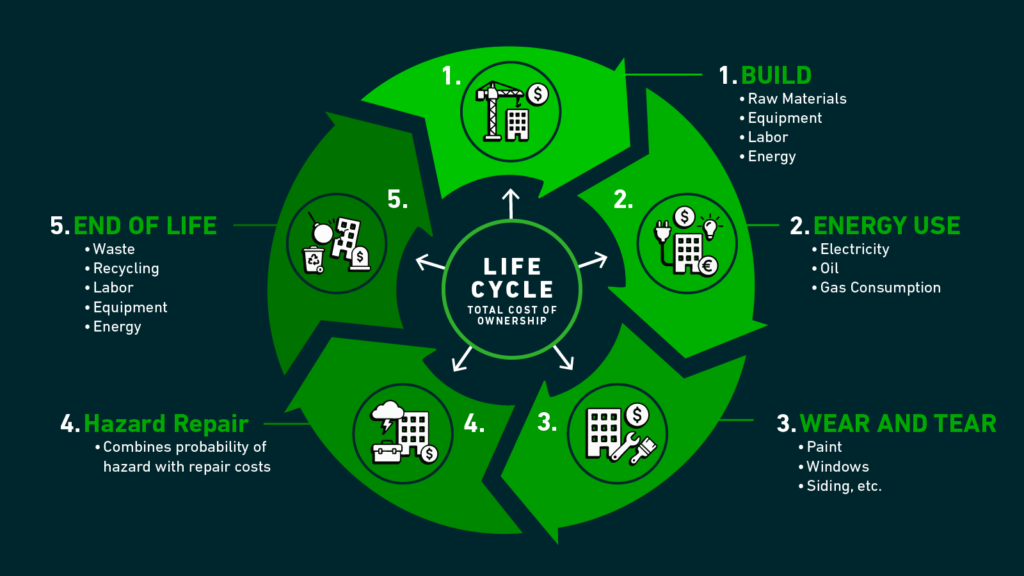
To understand long-term affordability, we must look beyond the sticker price. A building’s total impact is shaped by five major factors:
- Build
Think raw materials, labor, equipment and energy used during construction. It is where most project budgeting begins. However, it’s just the first layer of a much larger cost picture.
- Energy use
Operating energy adds up quickly: electricity consumption, heating fuel and cooling demand are the biggest cost drivers. In most building types, initial construction represents a fraction of the total ownership cost.
- Wear and tear
Every building requires upkeep. Exterior finishes, windows, siding, roofing systems and coatings all have replacement cycles. Over time, these recurring costs can rival the original construction investment.
- Hazard repair
This looks at the probability of damaging events and the cost of restoring the asset afterward. Most people understand this concept when buying a car. A low sticker price does not mean much if the vehicle turns out to be a lemon, constantly in the shop, unpredictable to operate and expensive to keep on the road. Buildings can be the same way, and in hazard-prone regions, repair costs can exceed the initial cost to build. Operational downtime only adds to the financial hit.
- End of life
Eventually, every asset reaches the end of its useful life. Demolition, hauling, recycling and disposal costs can be significant. These expenses are often overlooked early, but they influence long-term project economics.
Why it matters in the long run
Columbus was recently ranked No. 1 in the U.S. in the Global Groundwork Index for growth and infrastructure investment, reflecting the scale of development activity across the region. As capital flows into new projects, there’s heightened pressure to optimize first cost.
Fixating on day-one price can create costly blind spots. The buildings that cost the least to construct are not always the most affordable to own. Financial exposure accumulates long after construction crews leave the site.
Few settings place a greater emphasis on long-term affordability than K–12 schools, where districts are expected to stretch public dollars across decades of service life. These buildings see intense daily use and must operate with minimal maintenance disruption.
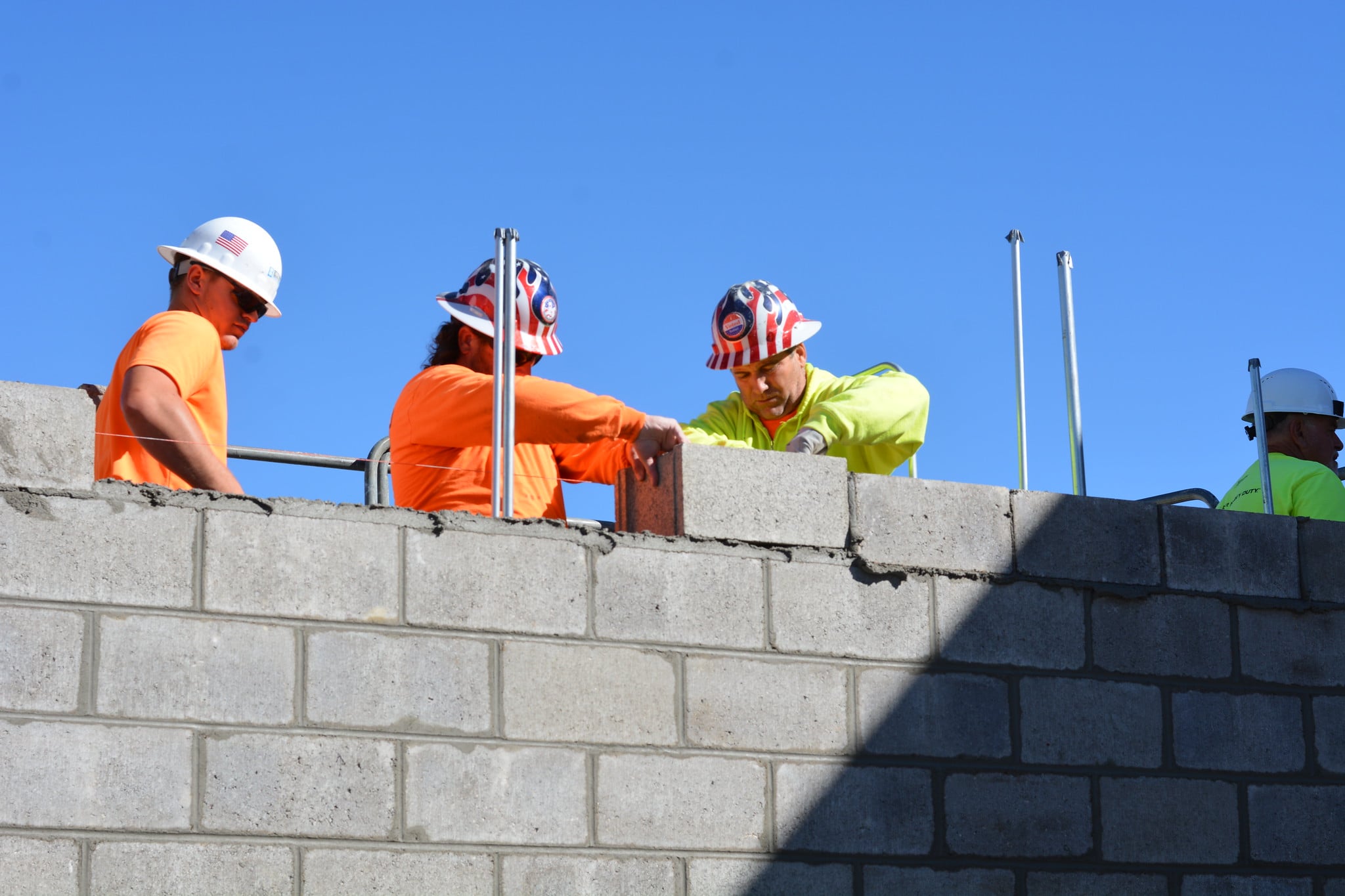
Across Ohio, new construction at Brunswick High School (ThenDesign Architecture) and West Carrollton High School (Levin Porter Architects) features concrete masonry units (CMU) — a lot of them. Brunswick alone is laying 423,000 blocks, illustrating the scale of masonry used in modern school construction.
“This project is quite literally a concrete example of the value that our Brunswick community places on education.”
— Mary Weinhauer, President, Brunswick Board of Education
A reminder that durability decisions are ultimately tied to long-term stewardship of public investment.
It’s not about spending more. It’s about losing less.
Concrete masonry can deliver cost-competitive performance at the outset while offering durability that reduces risk exposure. Modular construction efficiencies can help reduce waste and labor, and regional manufacturing can help stabilize supply and pricing.
Over time, CMU’s thermal mass supports energy performance, while inherent fire and impact resistance can reduce maintenance and repair demands.
Keeping concrete masonry competitive from the start
Designing for durability does not have to mean sacrificing cost competitiveness. With efficient detailing and code-informed assemblies, teams can often reduce complexity while improving long-term performance.
That’s where the Block Design Collective adds value. The BDC supports architects, engineers and contractors by identifying material efficiencies, supporting code compliance and helping streamline masonry wall assemblies. These services are provided at no cost and with no obligation, giving project teams an easy way to explore options early in design.
For more information, contact Tino Kalayil at tkalayil@blockdesign.org or visit block design.org.
Author bio:
Tino is the Senior Technical Director & Midwest Regional Director for the Concrete Masonry Checkoff’s Block Design Collective. In his role, he leads a team of design experts dedicated to supporting architects and engineers with tailored solutions.