Energy Efficiency Has Mass Appeal
CMU offers measurable energy efficiency
across climates and building types
SOURCE: RCP Block & Brick
Energy efficiency in masonry design comes from the behavior of the whole wall system. CMU provides thermal mass, air control continuity and moisture resilience, while supporting insulation flexibility that helps buildings meet modern energy targets with fewer layers and less complexity.
Built-In
Performance of CMU
CONSISTENT THERMAL PERFORMANCE
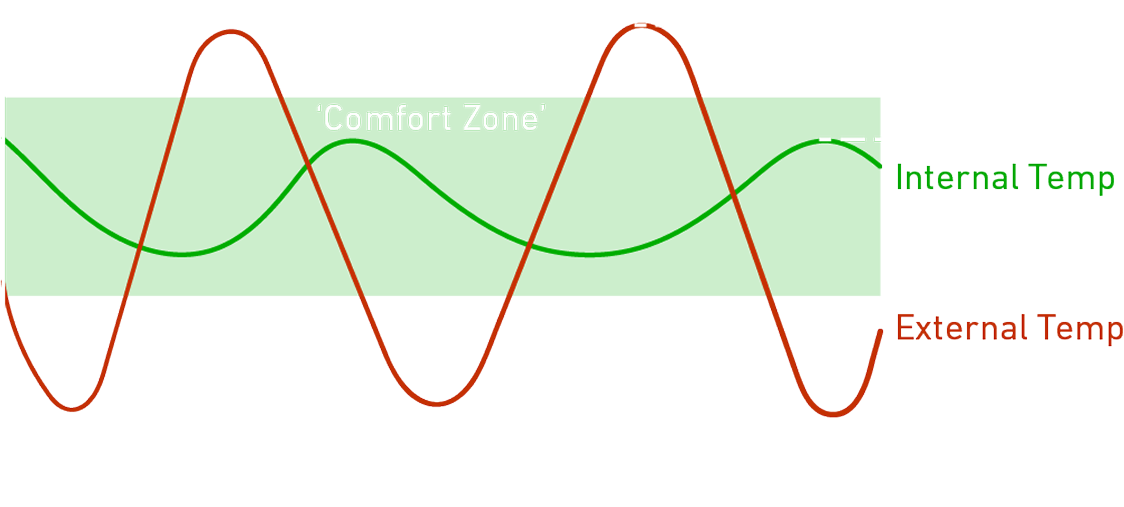
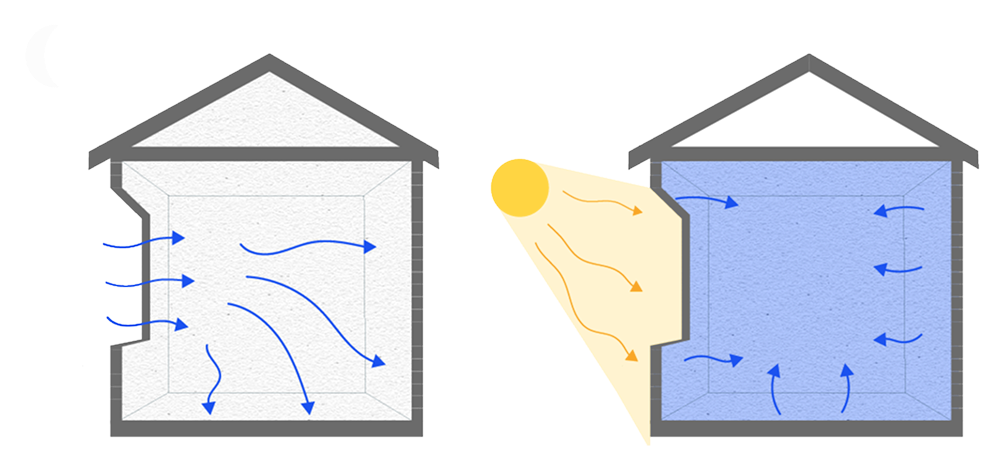
Tests show concrete (heavy-mass) homes use 15.5% less energy for heating than light-frame homes and reduce hot, uncomfortable hours by more than 70%. In warm climates, thermal mass dampens heat flow; in cooler climates, mass inside the insulation stores and releases heat to stabilize indoor comfort.
(BRANZ SR116 – Energy efficiency of buildings with heavy walls)
Need Project Support?
CONNECT WITH A BLOCK DESIGN PROFESSIONAL TODAY!
Complete our simple design assistance form or connect directly with the technical director in your area.
Thermal Performance
COMES STANDARD

Lower costs for heating/cooling homes and businesses

Higher levels of comfort for occupants

Less energy use and more sustainable communities

Increased passive survivability in power outages
A Staple
of Passive
Solar Design
A Staple of Passive Solar Design
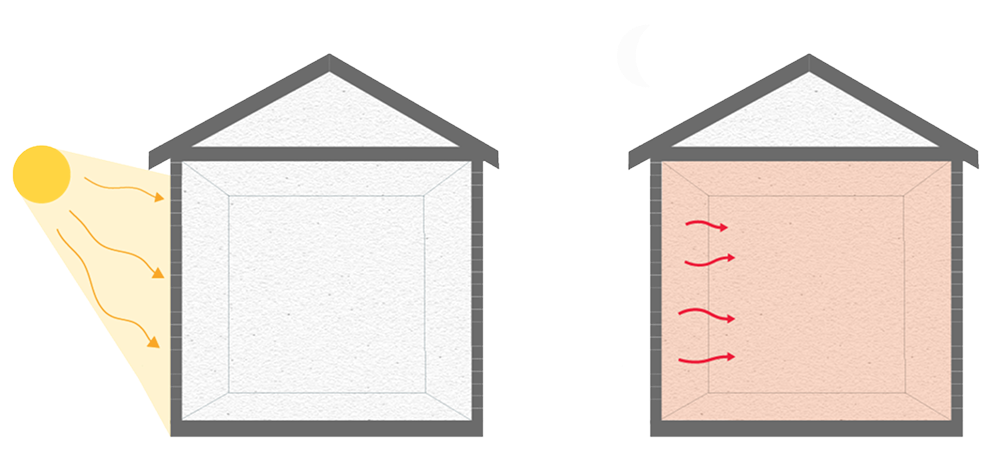
CMU’s thermal mass supports passive solar design. The 2030 Palette, created by Architecture 2030, is a global resource for exploring sustainable design strategies and includes guidance on using mass walls to absorb daytime solar heat and release it indoors after sunset.
Thermal Performance Is More Than R-Value
Consider This:
Diminishing Returns of Higher R-Values:
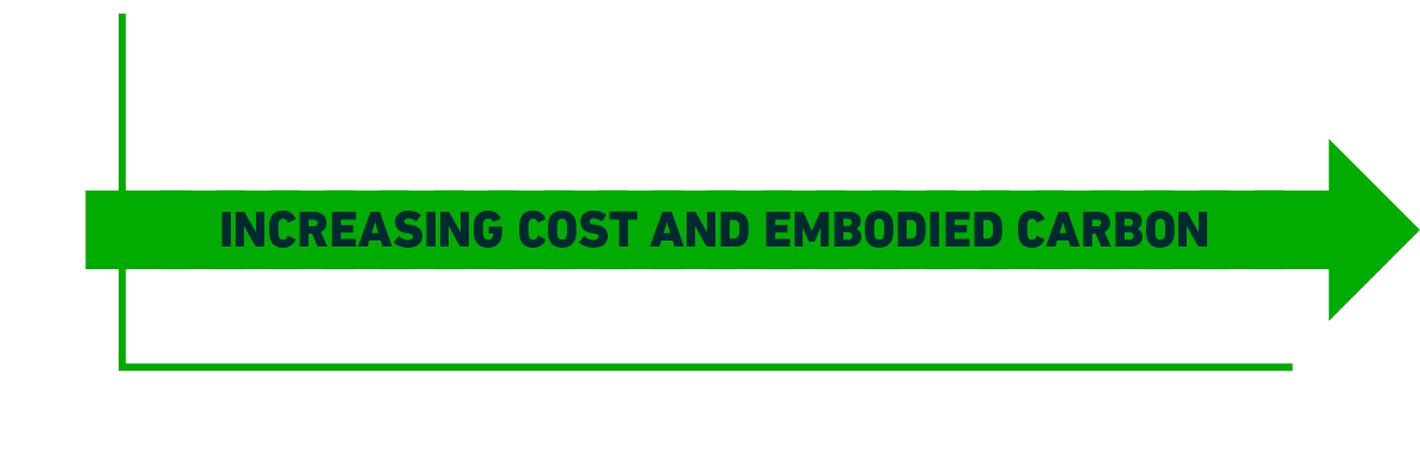
Increasing R-value above R-12 yields minimal added benefit and adds unnecessary costs and embodied carbon. For example, according to a study from CMHA, doubling R-value from 7 to 14 cuts energy use by only ~2.5% (ft²-°F-hr/BTU).
Minimize thermal bridging
Using reduced-web units, cavity insulation or using thermally broken anchors can minimize these effects.
Multiple Paths to Compliance — CONTInUOUS INSULATION (CI) IS ONLY REQUIRED FOR ONE OF THEM
The energy code recognizes three compliance paths: Prescriptive, Total Trade-Offs and Whole Building Analysis. Each demonstrates building efficiency through a different method of evaluation.
- Prescriptive – Using tables to meet insulation R-values or U-factors.
1. CI is only required for the R-Value table. While this is the simplest pathway, it’s also the most restrictive.
2. Both the IECC and ASHRAE recognize the role of thermal mass and allow mass walls to use less insulation.
Look for the mass wall option in both prescriptive tables. - Total Trade-Offs – Individual elements can be adjusted, and compliance can be demonstrated using COMcheck™.
- Whole Building Analysis – Simulated whole building performance, providing the most design flexibility.
FLEXIBLE INSULATION STRATEGIES
1.
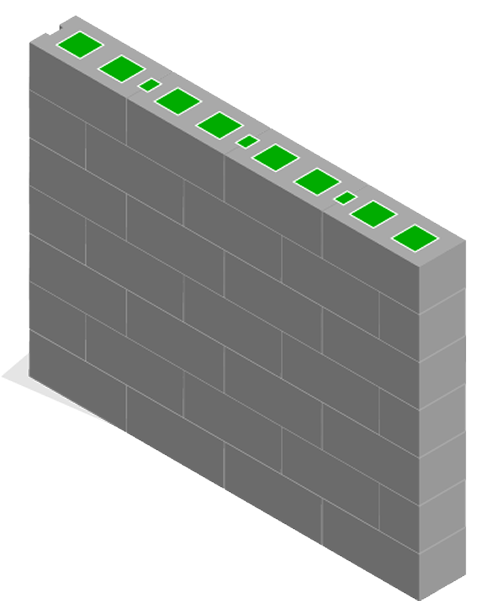
Single-wythe: Integral insulation
2.
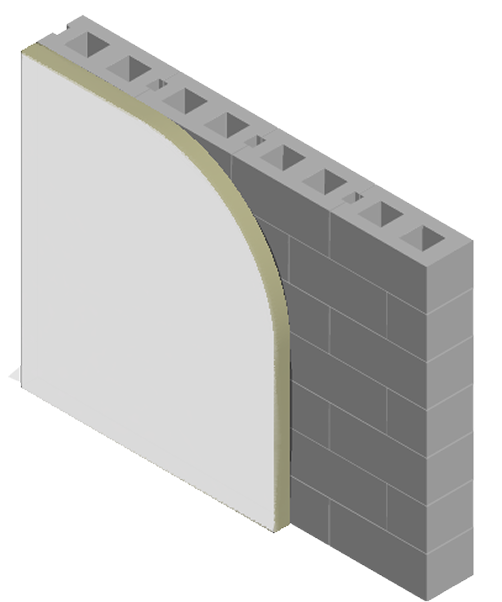
Single-wythe: Applied insulation
- Rigid insulation or batt insulation with furring
- Interior or exterior
Coupling the thermal mass with the interior conditioned space maximizes concrete masonry’s thermal performance.
3.
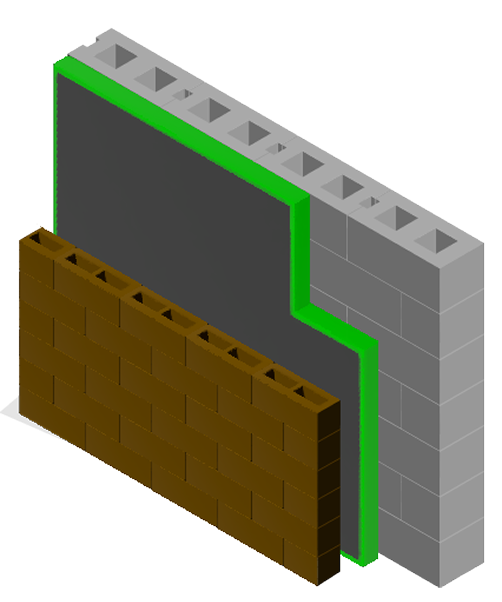
Cavity insulation
Customizable to any climate zone and application.
Visit our free Block Design Collective for fast, reliable CMU guidance, including assemblies, detailing and code compliance support for energy-efficient design.
RESOURCES
Explore the resources below for more insights on how to incorporate concrete masonry to enhance the resilience of your designs.