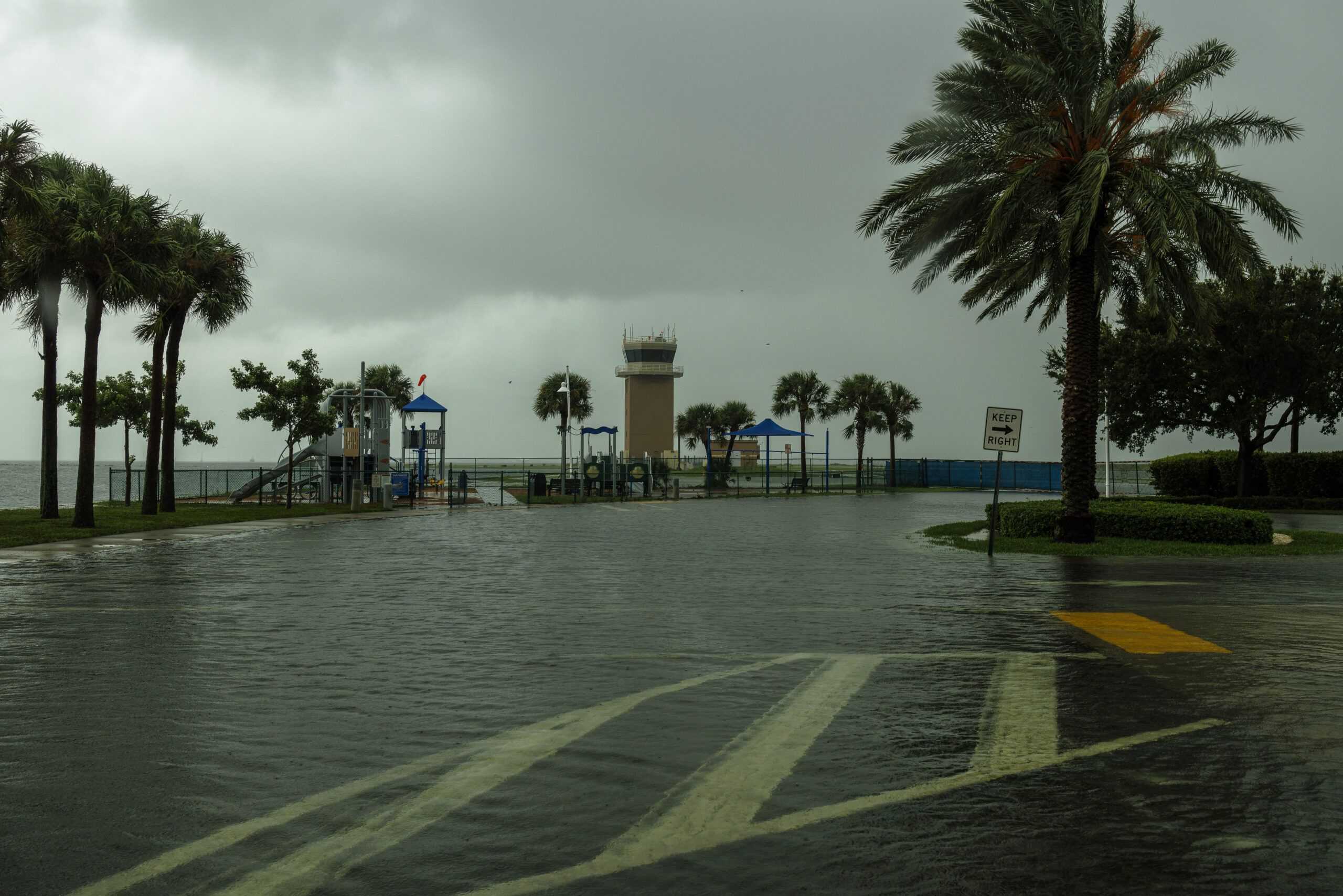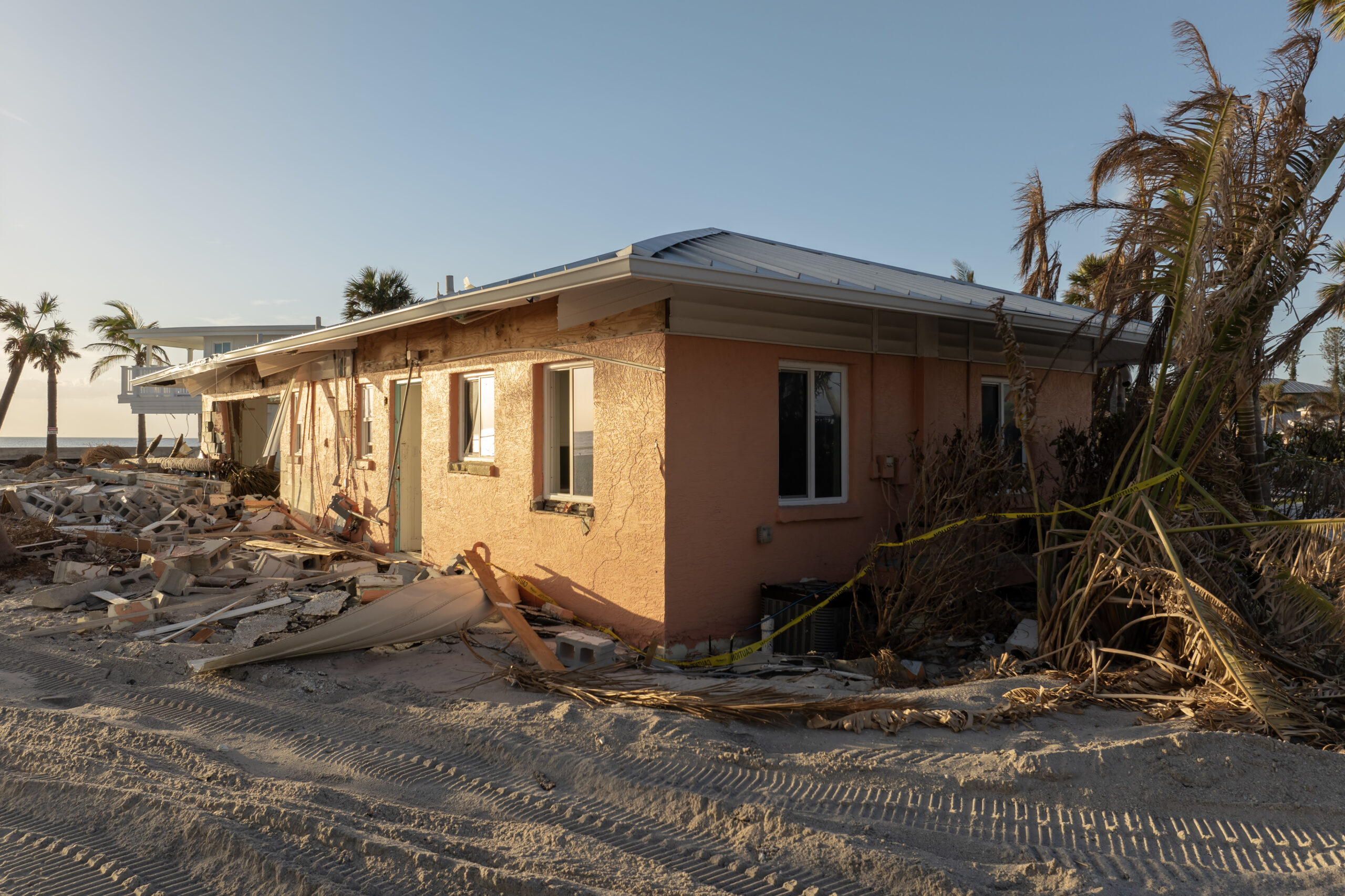
When Hurricane Melissa tore into Jamaica this season with winds exceeding 185 mph, it reinforced what many along Florida’s coast already fear: The Atlantic is producing storms that intensify faster, reach higher wind speeds and threaten regions far beyond South Florida.
Jacksonville may sit north of the state’s traditional hurricane bullseye, but with its expanding coastal development, riverfront growth and rapidly rising insurance pressures, the region is becoming increasingly exposed to the same forces reshaping hurricane preparedness statewide.
While South Florida has long built to some of the strongest codes in the country, many other coastal areas — including parts of Northeast Florida — operate under lower wind-speed design thresholds that no longer match the realities of today’s storms. As the Atlantic continues to warm, Jacksonville’s business, real estate and civic leaders face a critical question: How much will it cost the region if buildings continue being designed for the storms of the past rather than the storms forming now?
The Economic Toll of Stronger Storms
Florida’s recent hurricane seasons show just how quickly losses grow when storms intensify beyond historical norms:
- Hurricane Milton (2024): 180 mph, $34 billion in damage
- Hurricane Ian (2022): 155 mph, $119 billion in damage
- Hurricane Irma (2017): 185 mph, $64 billion in damage
Melissa’s extreme winds only underscored the trend. NOAA reports a steady rise in Category 4 and 5 Atlantic hurricanes over the past 40 years, driven by warmer oceans and rapid-intensification events in which winds can increase by more than 35 mph within a single day.
For professionals across the state, this requires a shift in expectations and planning.
“Florida’s coasts are on the front line, and storms today are outpacing historical assumptions,” says Adam Gayle, AIA, the 2026 president of AIA Florida. “That’s why we have to focus on performance as the objective, not just rely on past or current codes.”
In Northeast Florida, where development along the Intracoastal Waterway, Amelia Island, St. Johns County and the urban core continues to accelerate, the stakes are growing.
Affordability: Not the Barrier Many Assume
Strengthening coastal construction often raises concerns about affordability. Yet national research consistently shows that resilience adds a small, predictable cost upfront, while preventing far more expensive losses after a storm.
According to the National Institute of Building Sciences (NIBS), above-code wind-resistance improvements typically add 1% to 3% to project costs but return $5 to $10 in avoided losses per dollar spent. The Insurance Institute for Business & Home Safety (IBHS) also finds similar increases for upgrading to its FORTIFIED™ GOLD roofing standard.
For example, a $350,000 home that incurs a 2% upgrade (about $7,000) only increases a mortgage payment by $40 to $50 per month. Additionally, FEMA and IBHS note wind mitigation efforts can reduce insurance premiums by 10% to 20%, often offsetting most or all of that increase.
“Resilience matters when storms are pushing further north with greater force,” says Dean Scott, AIA of R. Dean Scott, Architect, Inc. “With a bit of study and thoughtful design, buildings can incorporate resilient features, function efficiently, please the eye, and especially when factoring in insurance benefits, be affordable.”
Recovery Speed Determines Economic Impact
The most significant financial difference shows up after a storm makes landfall.
Following Hurricane Sally (2020), IBHS found that FORTIFIED homes experienced 55% to 74% fewer losses and could have saved $105 million if all homes were FORTIFIED. FEMA and IBHS also report 51% to 72% lower loss ratios for FORTIFIED buildings.
Those performance gaps determine how long businesses stay closed, how quickly residents return and how soon local economies can recover — especially important for Jacksonville’s logistics, port, military and healthcare sectors.
The 2025 NIBS Moving Forward Report makes the business case clear:
“For commercial buildings, researchers at the Department of Energy’s Better Buildings initiative, established in 2019, found that for every $1 spent to protect structures from hurricane, wind and flood damage, an owner’s exposure to property loss and business disruption decreased by an average of $105.”
“What matters most to owners is the ability to recover quickly,” Gayle adds. “Using certified and licensed architects and contractors who are up to date on the latest technologies and best practices can help them do that as efficiently as possible.”
Why Materials Matter for Northeast Florida
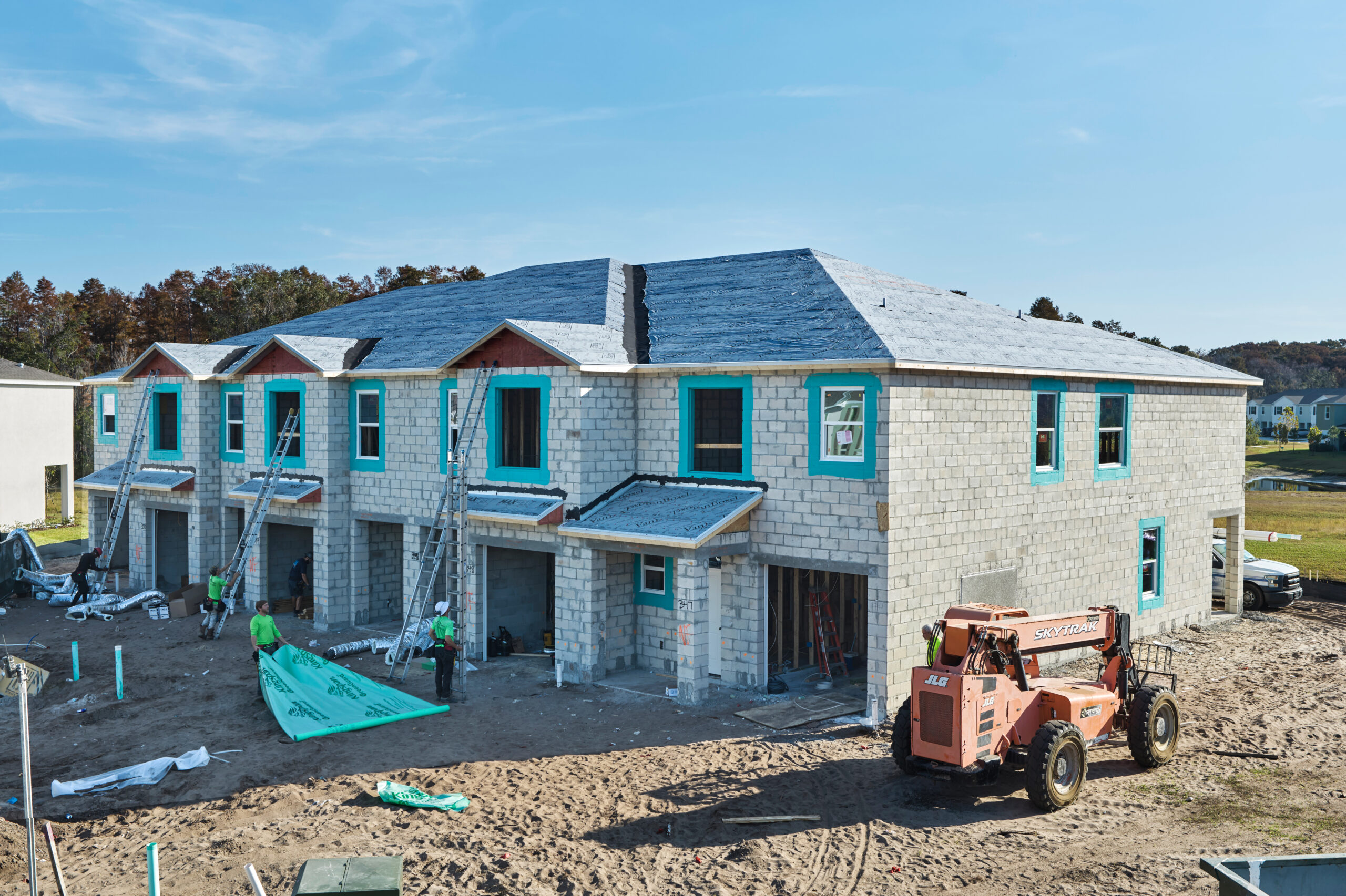
Resilient materials are critical for above-code strategies, particularly in Jacksonville where its geography blends coastal, riverine and inland flood exposure. In addition to fortifying roofs, many designers trust concrete masonry (CMU) for its mass (both weight and thermal properties), impact resistance and moisture performance.
A Market Increasingly Demanding Resilience
Consumer preferences are shifting statewide. A 2023 Hippo Insurance survey found:
- 88% of homebuyers would pay more for resilient homes
- More than 90% of new-construction buyers factor resilience into their decisions
With Jacksonville ranked among the nation’s fastest-growing metro areas, meeting that demand will be essential.
The Bottom Line for Jacksonville
Storms like Melissa, Milton and Ian show that hurricane behavior is changing faster than many coastal building standards. South Florida’s codes already reflect that reality. Now the rest of Florida’s coastline, including Northeast Florida, must catch up.
For Jacksonville’s long-term economic resilience, stronger construction is no longer optional — it’s a strategic necessity.
For more information about building for resiliency and preparing for Florida’s next major storm, visit beautyofblock.com/impact/southeast.