When Hurricane Melissa tore into Jamaica this season with winds exceeding 185 mph, it sent a clear message across Florida’s coastlines: storms are now intensifying faster and reaching wind speeds beyond what many buildings outside of South Florida were ever designed to withstand.
For Miami-Dade, Broward and Palm Beach counties — which already enforce some of the nation’s strongest hurricane codes — Melissa served as a reminder of why those standards exist. For the rest of Florida’s coastal regions, it signaled how urgently codes must catch up.
The Escalating Cost of Storms That Outpace Historical Norms
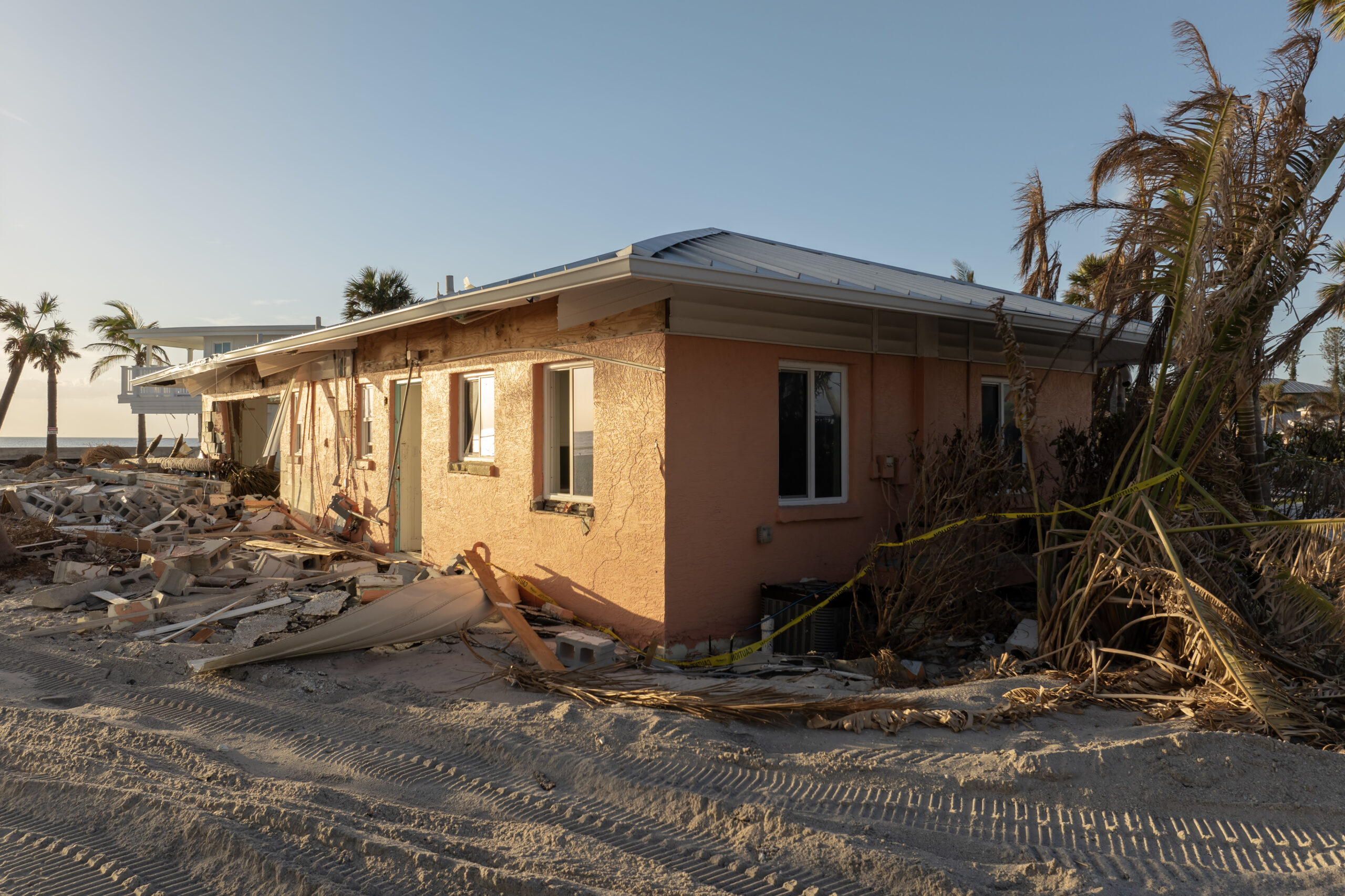
Florida’s recent storms show how quickly losses grow when hurricanes strengthen beyond expectations:
- Hurricane Milton (2024): 180 mph, $34 billion in damage
- Hurricane Ian (2022): 155 mph, $119 billion in damage
- Hurricane Irma (2017): 185 mph, $64 billion in damage
While Melissa did not make landfall in Florida, the devastation would be unimaginable.
NOAA has documented a steady rise in Category 4 and 5 Atlantic hurricanes over the past 40 years, driven by warming oceans and rapid-intensification events where winds can increase by more than 35 mph within a single day. That trend is making traditional design parameters outdated across much of the state.
“Florida’s coasts are on the front line, and storms today are outpacing historical assumptions,” says Adam Gayle, AIA, and 2026 president of AIA Florida. “That’s why we have to focus on performance as the objective, not just rely on past or current codes.”
South Florida neighborhoods already require higher wind loads and more robust materials. But many other coastal counties still operate under wind-speed design thresholds that no longer reflect today’s storm realities.
Affordability: A Real Concern, A Misunderstood Cost
Cost is the most common objection to raising coastal standards statewide. Yet national research consistently shows resilience adds a relatively small, predictable cost compared to the enormous expense of storm recovery.
The National Institute of Building Sciences (NIBS) finds that above-code wind-resistance upgrades typically increase construction budgets by 1% to 3%, while returning $5 to $10 in avoided losses per dollar invested. The Insurance Institute for Business & Home Safety (IBHS) also reports similar cost ranges for upgrading to its FORTIFIED™ GOLD roofing standard.
Consider a $350,000 home. A 2% resilience upgrade (roughly $7,000) adds $40 to $50 per month to a mortgage. But wind-mitigation credits, supported by FEMA and IBHS, can reduce insurance premiums by 10% to 20%, offsetting most or all of that increase.
For South Florida residents already facing some of the nation’s highest premiums, those savings matter. For the rest of the state, adopting stronger standards could help stabilize Florida’s insurance market overall.
Recovery Speed Determines Economic Impact
Where resilient construction makes the biggest difference is after a storm. Following Hurricane Sally (2020), IBHS found that FORTIFIED homes saw 55% to 74% fewer losses than comparable code-built homes. FEMA and IBHS also report 51% to 72% lower loss ratios for FORTIFIED buildings.
The faster a region recovers, the faster its workers return, its businesses reopen and its tax base rebounds. For Florida’s inland and coastal economies, all of which depend heavily on tourism, logistics and service industries, statewide resilience is not just a safety strategy but a competitiveness strategy.
The 2025 NIBS Moving Forward Report reinforces the economic payoff:
“For commercial buildings, researchers at the Department of Energy’s Better Buildings initiative, established in 2019, found that for every $1 spent to protect structures from hurricane, wind and flood damage, an owner’s exposure to property loss and business disruption decreased by an average of $105.”
Local Miami architect, Jeffrey Huber, has seen firsthand how storms have shifted and how buildings must adapt.
“Resilience isn’t a luxury upgrade anymore. It’s the only responsible path forward,” says Huber, FAIA, ASLA, NCARB, Principal, Brooks + Scarpa Architects. “When our communities are designed to withstand today’s wind speeds and storm surge, families return more quickly, communities recover more easily and long-term costs drop dramatically. We need buildings and policies that reflect the storms we are facing now. Not the ones we faced 30 years ago.”
Materials Matter, Particularly on the Coast
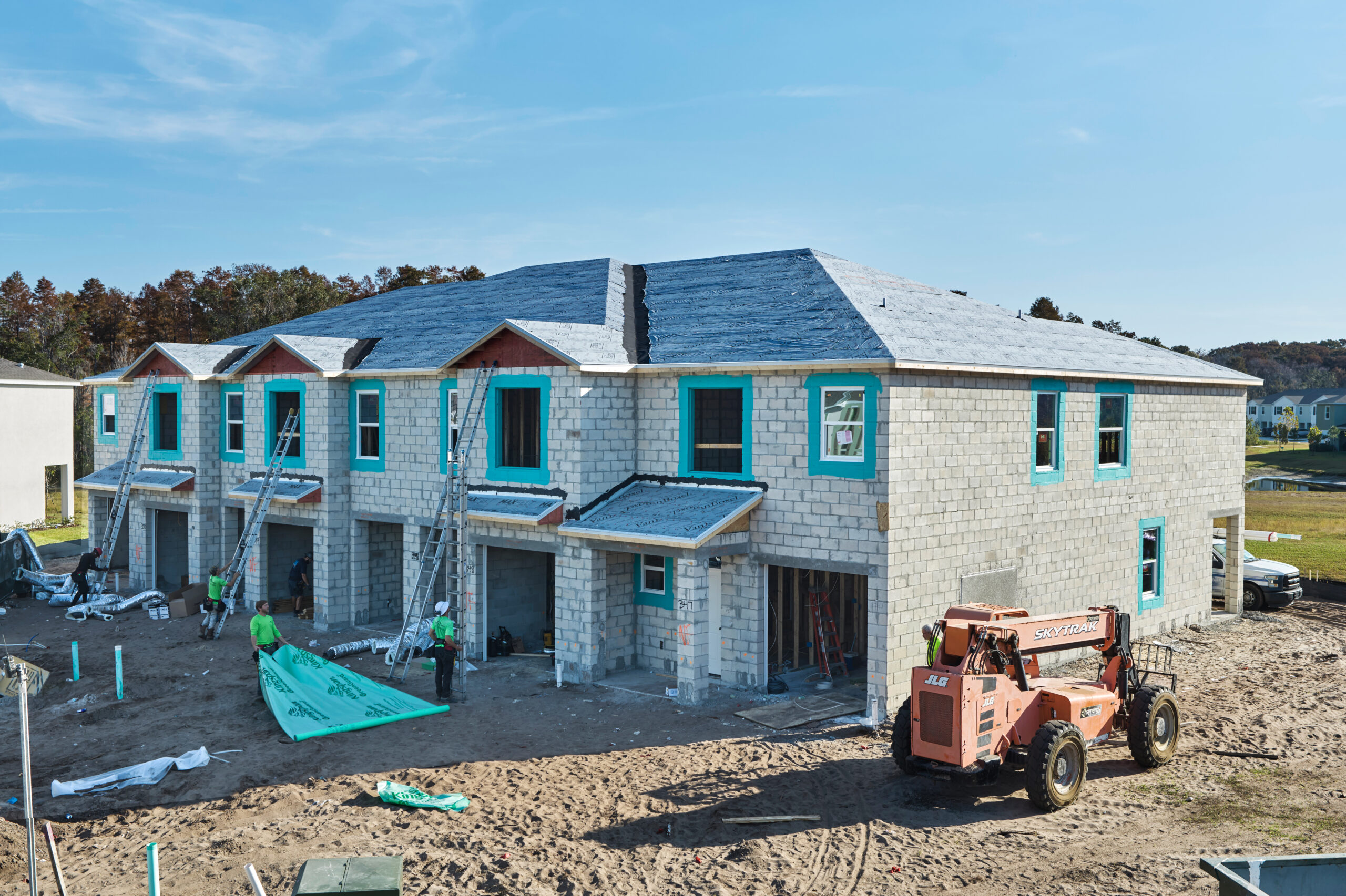
South Florida’s strict codes require materials capable of withstanding extreme uplift, debris impact and wind-driven rain. Reinforced concrete masonry (CMU) remains the preferred choice for wall systems due to its mass (both weight and thermal properties), impact resistance, moisture tolerance and predictable structural performance.
As other coastal counties raise standards, CMU also provides a proven, scalable path to above-code resilience.
There’s a Market Ready for Resilience, Statewide
A 2023 Hippo Insurance survey found:
- 88% of homebuyers would pay more for resilient homes
- More than 90% of new-construction buyers consider resilience in their decisions
The demand is already here. The opportunity lies in implementation, particularly in those communities on the coast.
The Bottom Line for South Florida
South Florida demonstrates what strong codes can achieve. Now, the rest of Florida’s coastline must rise to the same standard. Stronger building statewide will help reduce insurance volatility, protect the state’s most vulnerable communities and strengthen Florida’s long-term economic resilience.
For more information about building for resiliency and preparing for Florida’s next major storm, visit beautyofblock.com/impact/southeast.