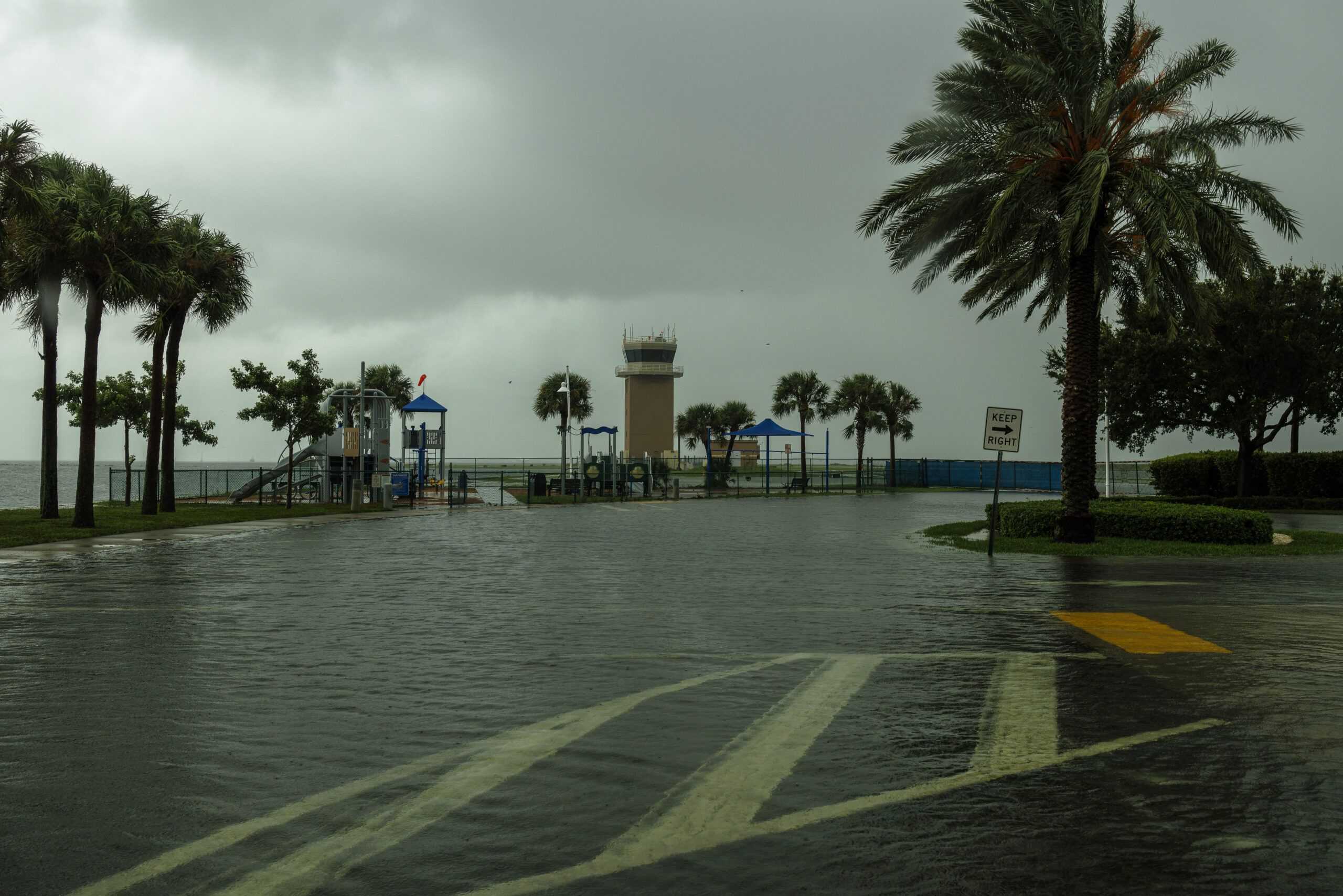
Tampa Bay has always lived with hurricane risk, but last year marked a turning point. When Hurricane Milton swept across the region with 180-mph winds, on top of the damage already caused by Hurricane Helene just weeks earlier, it became clear that Tampa Bay entered a new era of exposure.
The pivotal question now is how much will it cost the residents of Tampa Bay if buildings continue to be constructed to yesterday’s expectations rather than today’s realities?
The Economic Toll of Outdated Assumptions
Across Florida, recent hurricanes show how quickly losses escalate.
- Hurricane Milton (2024): 180 mph, $34 billion in damage
- Hurricane Ian (2022): 155 mph, $119 billion in damage
- Hurricane Irma (2017): 185 mph, $64 billion in damage
And if Hurricane Melissa had slammed into Florida at 185 mph instead of Jamaica, the cost to the state would have been significant.
These storms are part of a broader trend. NOAA data shows a steady rise in Category 4 and 5 Atlantic hurricanes over the past 40 years, driven by warmer oceans and rapid-intensification events where winds can jump by more than 35 mph in 24 hours.
For many architects, that shift demands a new mindset.
“Florida’s coasts are on the front line, and storms today are outpacing historical assumptions,” says Adam Gayle, AIA, and the 2026 president for AIA Florida. “That’s why we have to focus on performance as the objective, not just rely on past or current codes.”
Affordability: A Persistent Concern, A Misunderstood Cost
One of the biggest objections to stronger building practices is affordability. Yet national research shows that resilience adds a relatively small, predictable increase to construction costs — far less than the financial impact of storm recovery.
The Insurance Institute for Business & Home Safety (IBHS) reports upgrading new homes to its FORTIFIED™ GOLD roofing standard costs 1% to 3% in hard construction costs. The National Institute of Building Sciences (NIBS) finds that above-code wind-resistance improvements also adds 1% to 3% to a project and returns $5 or more in avoided losses for every dollar spent.
What does that mean? For a $350,000 home, a 2% resilience upgrade (around $7,000) would only increase a mortgage payment by $40 to $50 per month. Additionally, FEMA and IBHS jointly report that wind-mitigation credits can reduce insurance premiums by 10% to 20%, which offsets much or all of that increase.
“The idea that stronger buildings automatically make homes unaffordable just isn’t supported by the numbers,” says Peter Hauerstein, AIA, of Sol Design Studio in Tampa. “When insurance is factored in, the monthly cost of ownership can stay close to neutral, with far better protection built in.”
Recovery Speed Drives Economic Stability
The most significant financial difference shows up after a storm. Tampa Bay’s recent experiences emphasize how quickly repeated damage strains families, businesses and local governments.
Following Hurricane Sally (2020) in Alabama, IBHS found that FORTIFIED homes had 55% to 74% fewer losses. FEMA and IBHS also report 51% to 72% lower loss ratios for FORTIFIED buildings. That reduction determines how long businesses stay closed, how long families remain displaced and how quickly communities can return to normal.
The 2025 NIBS Moving Forward Report underscores the value:
“For commercial buildings, researchers at the Department of Energy’s Better Buildings initiative, established in 2019, found that for every $1 spent to protect structures from hurricane, wind and flood damage, an owner’s exposure to property loss and business disruption decreased by an average of $105.”
“What matters most to owners is the ability to recover quickly,” says Gayle. “Using certified and licensed architects and contractors who are up to date on the latest technologies and best practices can help them do that as efficiently as possible.”
Why Materials Matter More on the Gulf Coast
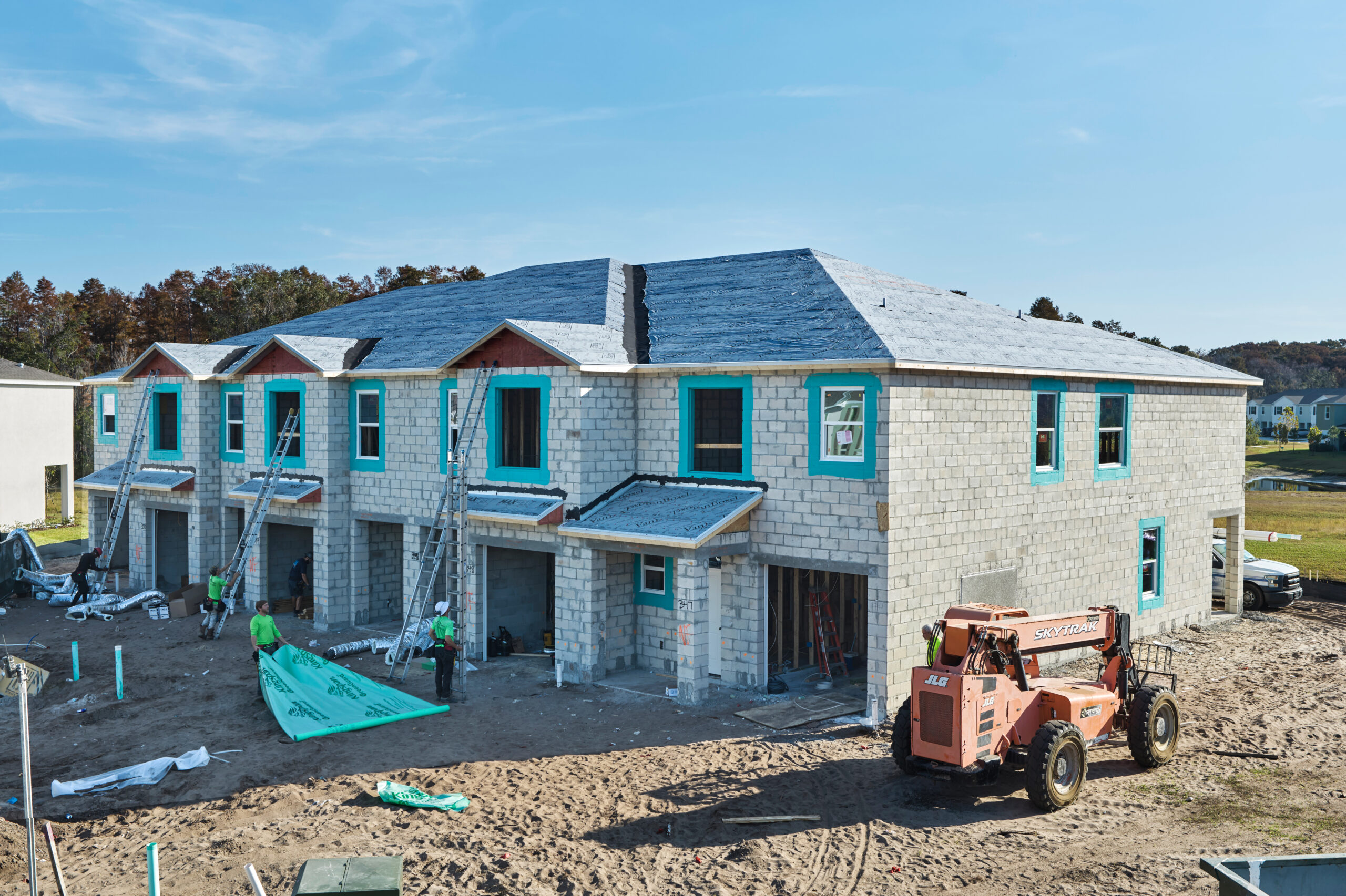
Tampa Bay buildings face extreme uplift forces, debris impact and persistent wind-driven rain. For many design teams, concrete masonry units (CMU) become a foundation for above-code approaches without introducing unnecessary complexity or cost.
Reinforced CMU is widely used for its mass (both weight and thermal properties), impact resistance and moisture tolerance — qualities that provide predictable structural performance and reduce uncertainty for insurers.
Demand for Resilient Homes Is Rising
Even as adoption varies across Florida, consumer sentiment is shifting quickly. A 2023 Hippo Insurance survey found:
- 88% of homebuyers would pay more for resilient homes
- More than 90% of new-construction buyers consider resilience in their decisions
The challenge is not interest; it is implementation. When resilience is introduced late in design, it becomes more expensive. When incorporated early by licensed professionals, it becomes cost-efficient and aligned with the project’s goals from the beginning.
The Bottom Line for Tampa Bay
The storms of the past year have made it clear. As hurricanes intensify, Tampa Bay must build for the storms arriving now. Resilience is no longer an upgrade. It is a requirement for protecting people, stabilizing insurance markets and preserving long-term affordability across the region.
For more information about building for resiliency and preparing for Florida’s next major storm, visit beautyofblock.com/impact/southeast.