Aligning tenant expectations with long-term asset performance
By Tino Kalayil, Senior Technical Director & Midwest Regional Director, Block Design Collective
For generations, homeownership was considered the cornerstone of the American housing market. That dynamic has shifted. Rising home prices, higher interest rates and escalating construction costs have pushed ownership further out of reach for many households, while demand for rental housing continues to soar.
According to the Harvard Joint Center for Housing Studies, renter households surpassed 45 million nationwide in 2024, while the homeownership rate remained stagnant amid ongoing affordability pressures.
Renting has become a longer-term housing solution — apartments are no longer temporary stops along the way. Residents expect homes that deliver durability, acoustic separation and the sense of permanence associated with single-family dwellings.
For developers and owners, meeting those expectations while protecting operating margins raises a fundamental question: How will the building perform over time? Decisions made today about structural systems and materials carry lasting implications for resilience, maintenance demands, tenant comfort and the long-term stability of the asset.
Performance That Residents Notice
Life safety is where building performance becomes most visible. In multifamily housing, resident comfort and security go hand in hand. Concrete masonry units (CMU) provide inherent fire resistance as part of the structure, helping meet and often exceed required fire ratings.
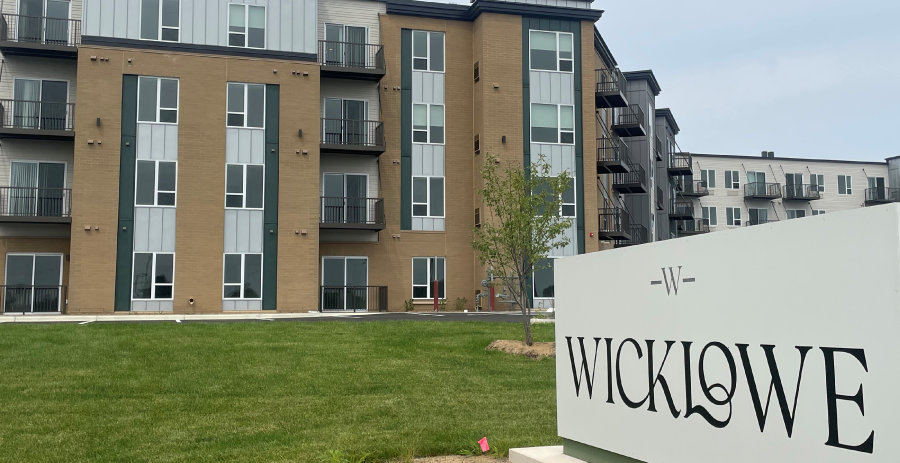
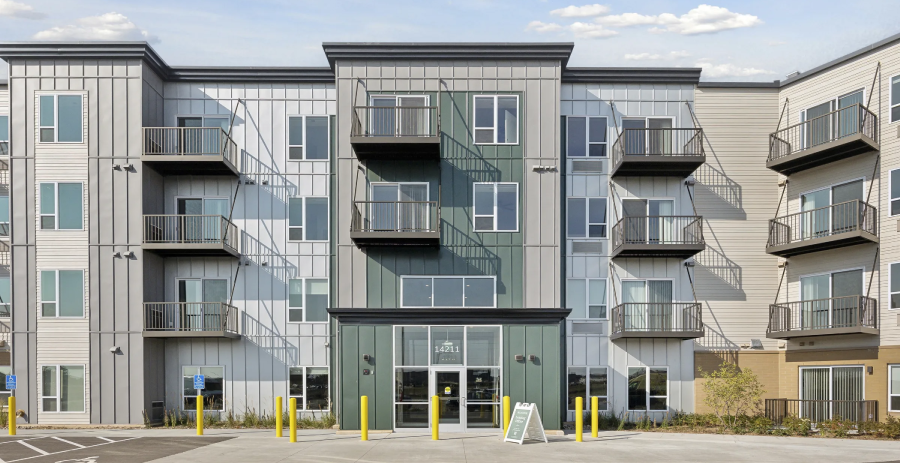
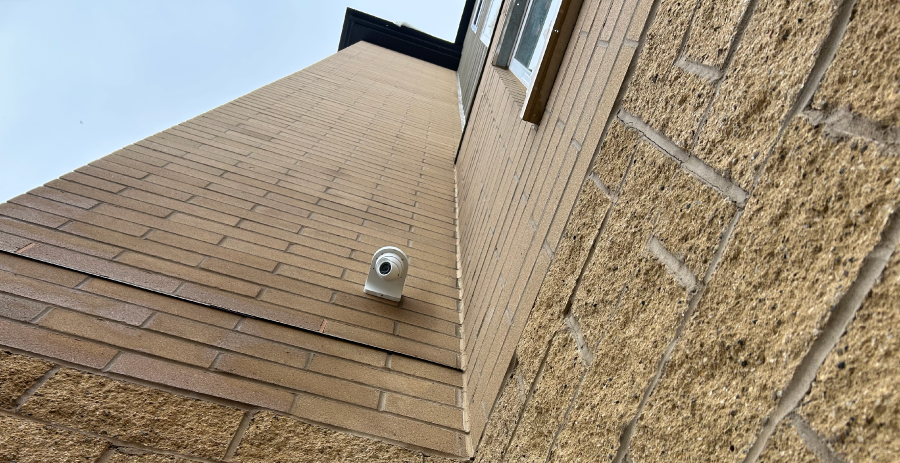
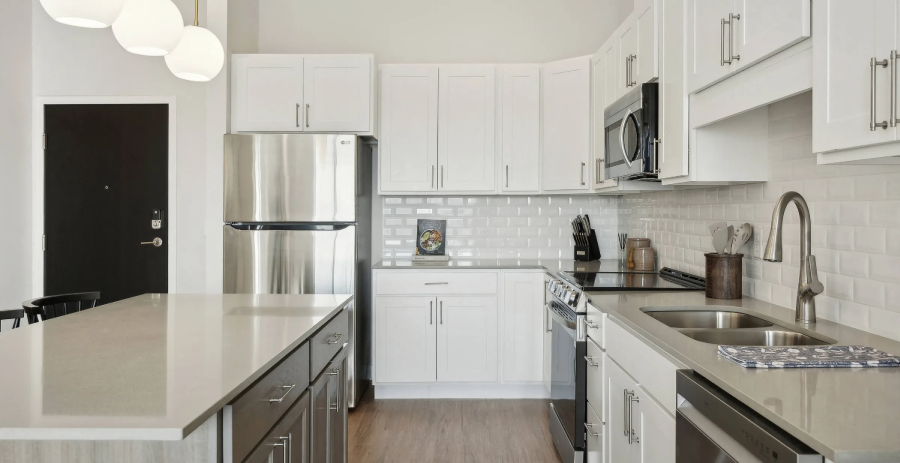
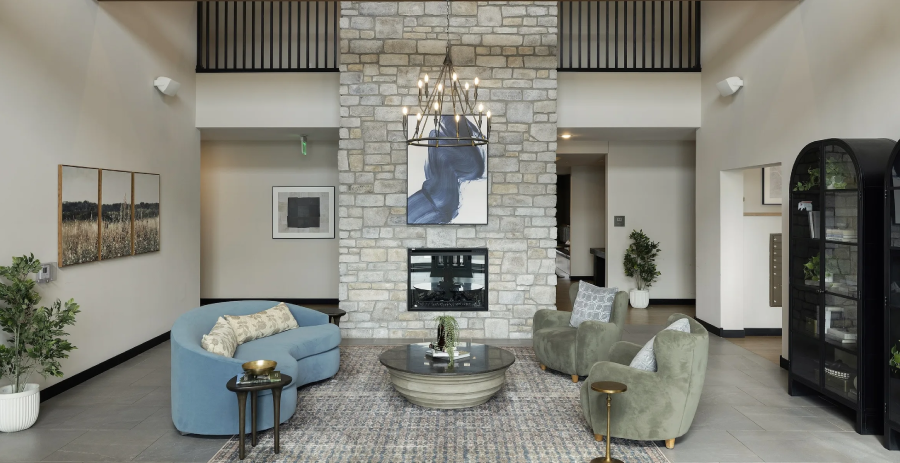
The Wicklowe apartment complex in Rosemount, Minnesota, shows how these priorities can be realized in practice. Developed by Roers Companies, the 214-unit market-rate community includes studio through three-bedroom apartments. The design team at Kaas Wilson Architects selected CMU for its durability, cost efficiency and low maintenance demands, along with its inherent fire resistance. The material also offered a range of finish color options that supported the exterior design.
With concrete masonry supporting the exterior walls and key structural components, the stage is set for a service life that can extend beyond 100 years. The underground parking structure also serves as a storm shelter, providing residents with a designated refuge during severe weather events — an important consideration in a region well-versed in severe weather.
Beyond extreme events, building performance is also measured in the everyday experience of residents. Sound control is often discussed after a building opens when complaints begin to surface. In reality, this is largely a function of design.
The 2024 NMHC and Grace Hill Renter Preferences Survey, based on more than 170,000 renter responses nationwide, identified noise-related features as a consistent priority in rental housing decisions. As more residents work from home, privacy and freedom from disruption have become increasingly important. Masonry wall systems can meet and often exceed sound transmission class (STC) code requirements, supporting the quieter environment residents expect.
Concrete masonry also allows for design flexibility, functioning as an exposed architectural material or integrating with contemporary façade systems and modern interior finishes.
Looking Beyond First Cost
In multifamily construction, the conversation often comes down to two priorities: redefining affordability and committing to resilient design. Buildings that serve communities for generations and perform beyond minimum code requirements can support a more stable and affordable housing economy over time.
Fire resistance, sound control, energy performance, durability and sustainability are interconnected factors that shape how a building performs over time. Projects like Wicklowe show how these priorities can align long-term resilience with resident satisfaction.
Multifamily buildings absorb constant use. Corridors, parking structures and façades face daily wear along with seasonal stress that eventually show up in maintenance budgets and capital planning.
Construction cost only represents the beginning of the financial picture. Operating expenses, repair cycles and eventual replacement needs determine the true cost of ownership. Durable assemblies reduce the likelihood of premature replacement and support more predictable budgeting across the life of the asset.
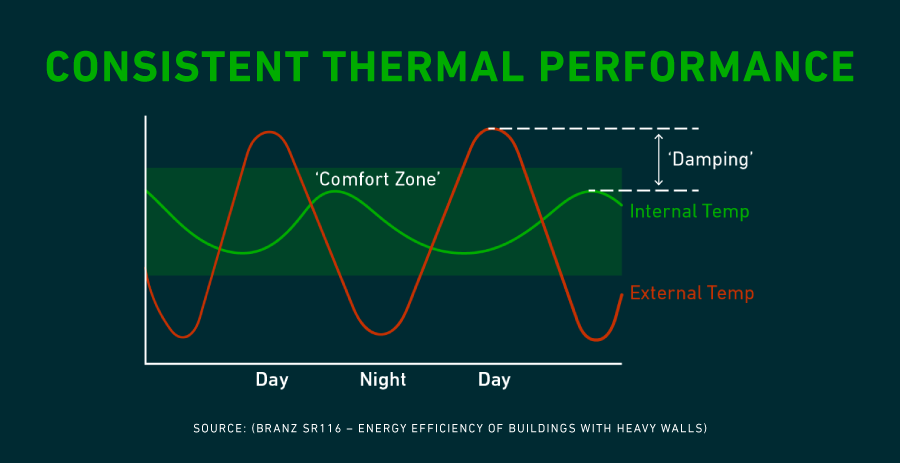
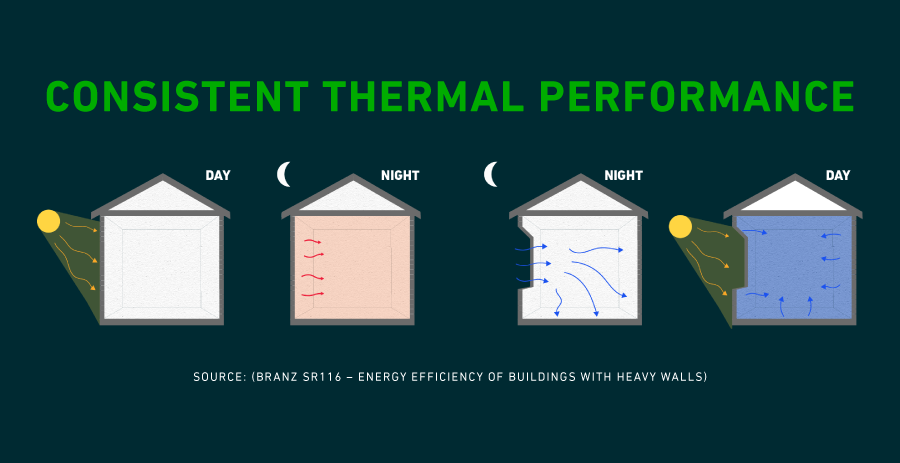
Concrete masonry’s thermal mass also contributes to building performance. CMU absorbs and slowly releases heat, moderating indoor temperature swings and shifting heating and cooling demand to off-peak hours, reducing strain on mechanical systems.
Consistent Thermal Performance
Risk, Insurability and Asset Stability
Material selection increasingly enters underwriting conversations. In a tightening insurance market, scrutiny around fire exposure and weather resilience has intensified.
Noncombustible construction and fire-rated assemblies shape how a building’s risk profile is evaluated. Insurance premiums depend on many variables, but inherent fire resistance and structural durability can help reduce exposure to catastrophic loss.
For developers, lenders and owners, those considerations ultimately connect back to asset performance. Buildings that are resilient and easier to maintain can support more predictable operating costs while providing a better living environment for residents.
In a competitive rental market, those outcomes reinforce one another. Tenants gain a quieter and more dependable living environment. Owners gain a property designed to perform consistently over time.
Projects like Wicklowe demonstrate how thoughtful material decisions can align resident expectations with long-term financial performance.
Developers and design teams seeking technical insight into concrete masonry systems, or evaluating how CMU performs within a specific project, can contact the Block Design Collective for guidance. The team provides complimentary technical reviews of existing details and early-stage design support.
For more information, contact Tino Kalayil at tkalayil@blockdesign.org or visit blockdesign.org.
Author bio:
Tino Kalayil is Senior Technical Director and Midwest Regional Director for the Concrete Masonry Checkoff’s Block Design Collective. In his role, he leads a team of design experts dedicated to supporting architects and engineers with tailored solutions.