
Smart Building in the Bay Area: Why Concrete Masonry Makes Sense for San Francisco
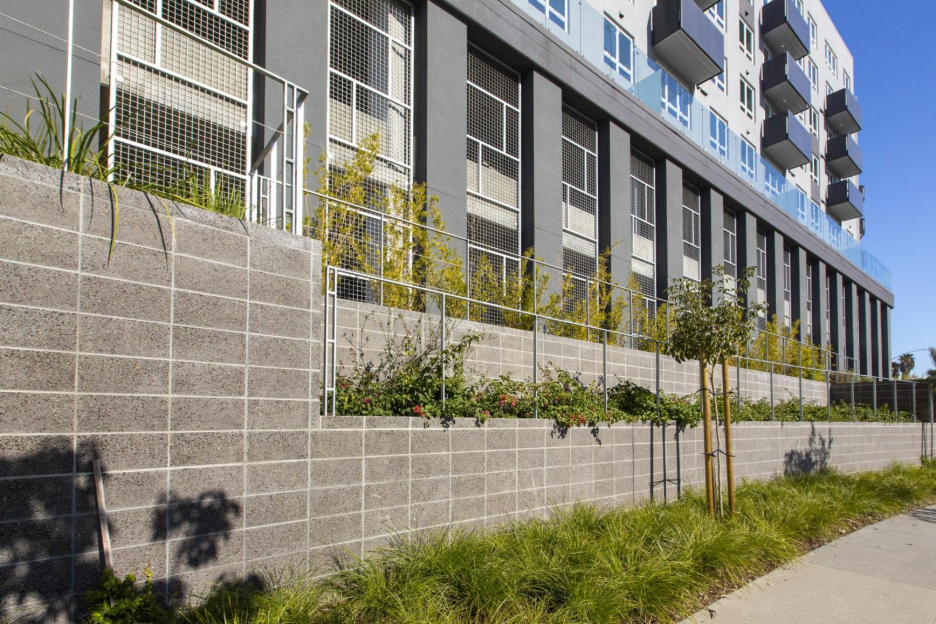
In San Francisco, where the ground shifts, the climate changes and neighborhoods grow ever more connected, buildings aren’t just structures — they’re promises of resilience, in the face of an uncertain future. Every material choice contributes to that promise, especially in a region where performance and purpose must go hand in hand.
Rebuilding for the Climate: Concrete Block as a Sustainable Solution for Puget Sound
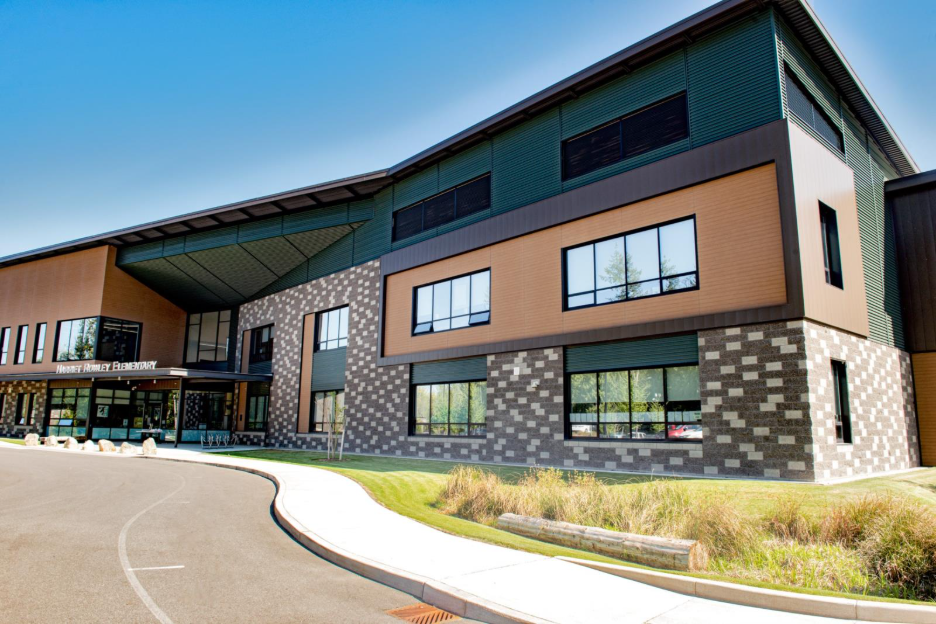
As climate change reshapes life in Puget Sound, from heavier winter storms to smoky summer skies, the call for climate-smart building construction is louder than ever. Builders, architects and city planners are eager for materials that not only stand up to environmental stress but actively contribute to a more sustainable built environment.
Redefining Affordability: The Real Cost of a Building Isn’t Upfront
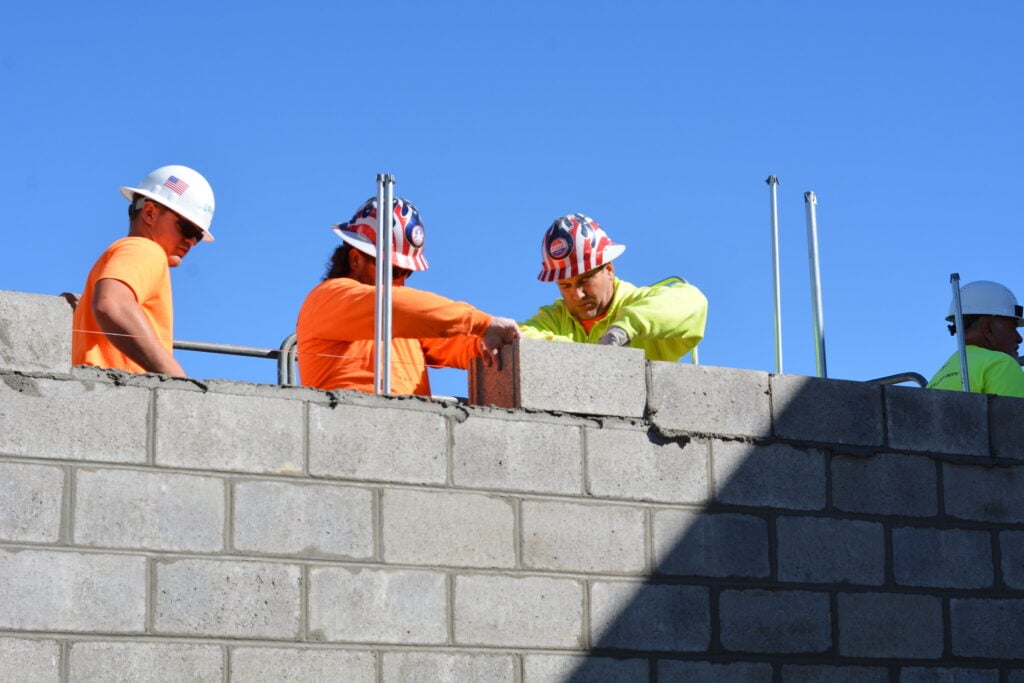
Traditionally, affordability in construction has been defined by first cost. If the project penciled out on bid day and stayed within budget, it was considered a win.
Evaluating Embodied Carbon in Concrete Masonry
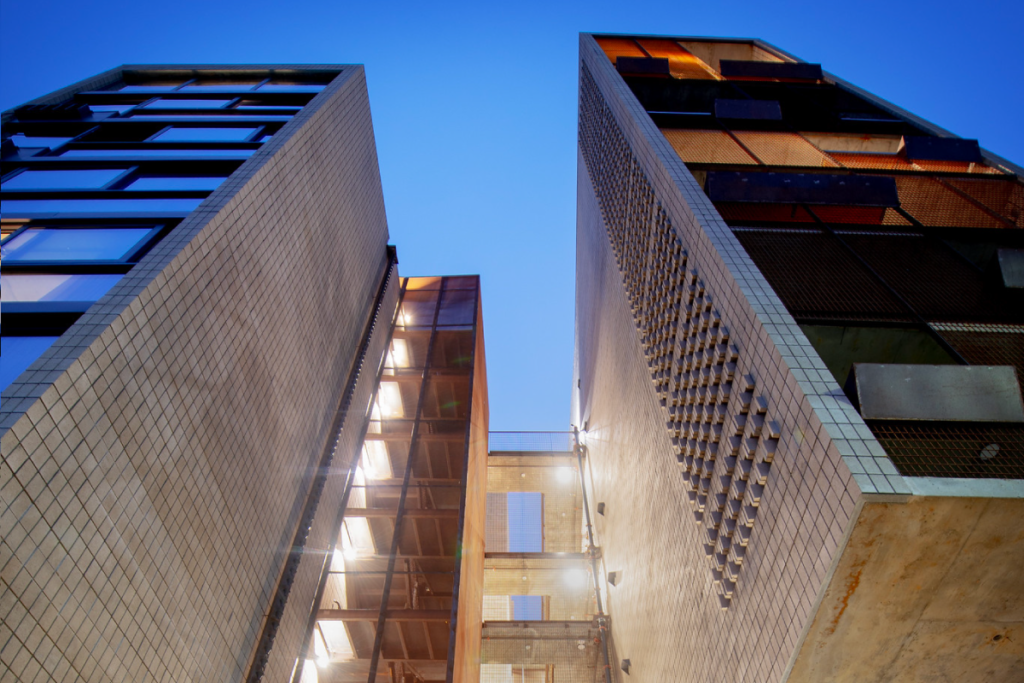
Concrete masonry units (CMU) are one of the most thoroughly studied building materials in construction. Over the last several years, the industry has advanced that rigor by quantifying embodied carbon and carbon sequestration as part of broader decarbonization goals. A key finding has emerged from this work: embodied carbon performance varies greatly across concrete products.
Paving the Way to Resilience: Donald Harvey’s Mission to Strengthen Colorado’s Buildings

In Colorado, where wildfires are an ever-present threat, Donald Harvey is forging a path toward safer communities through fire-resistant construction. As Vice President and Principal at Atkinson-Noland & Associates (ANA), regional representative for the Concrete Masonry Checkoff, and adjunct instructor at the University of Colorado, Donald blends experience as both investigator and wildfire survivor to champion resilient building practices.
Why Masonry Is Gaining New Momentum
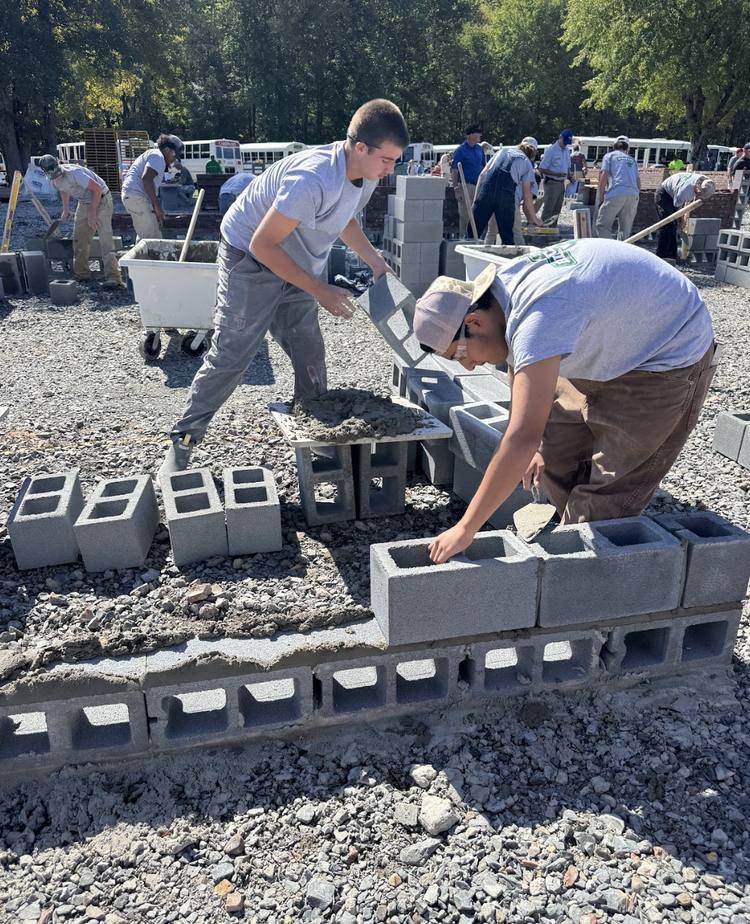
As more people rethink what they want from a career, masonry continues to stand out for its combination of paid training, long-term opportunity, and pride in building work that lasts. Top 10 Reasons to Join the Masonry Team brings together real perspectives from across the industry, illustrating how hands-on experience can turn curiosity into a meaningful career path.
The Luxury of Block: How Lauren Kennedy’s Global Perspective Is Reframing Concrete Masonry in the U.S.

Based in Fort Worth, Texas, Kennedy is the Regional Director for Beauty of Block across the South Central U.S., covering eight states. With a civil engineering degree from Texas A&M and a career rooted in construction and infrastructure planning, she brings a perspective shaped as much by jobsites as by classrooms and travels to Europe.
Tampa Bay’s Breaking Point: Why Stronger Building Can’t Be Optional Anymore
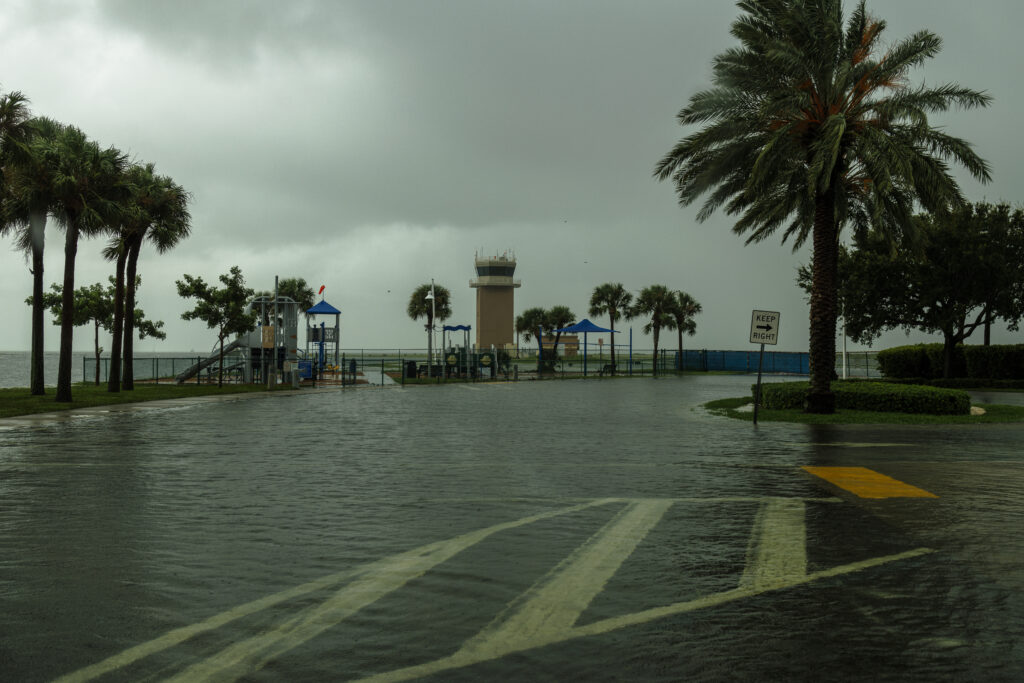
Tampa Bay has always lived with hurricane risk, but last year marked a turning point. When Hurricane Milton swept across the region with 180-mph winds, on top of the damage already caused by Hurricane Helene just weeks earlier, it became clear that Tampa Bay entered a new era of exposure.
As Storms Intensify, Jacksonville’s Future Depends on Stronger Structures
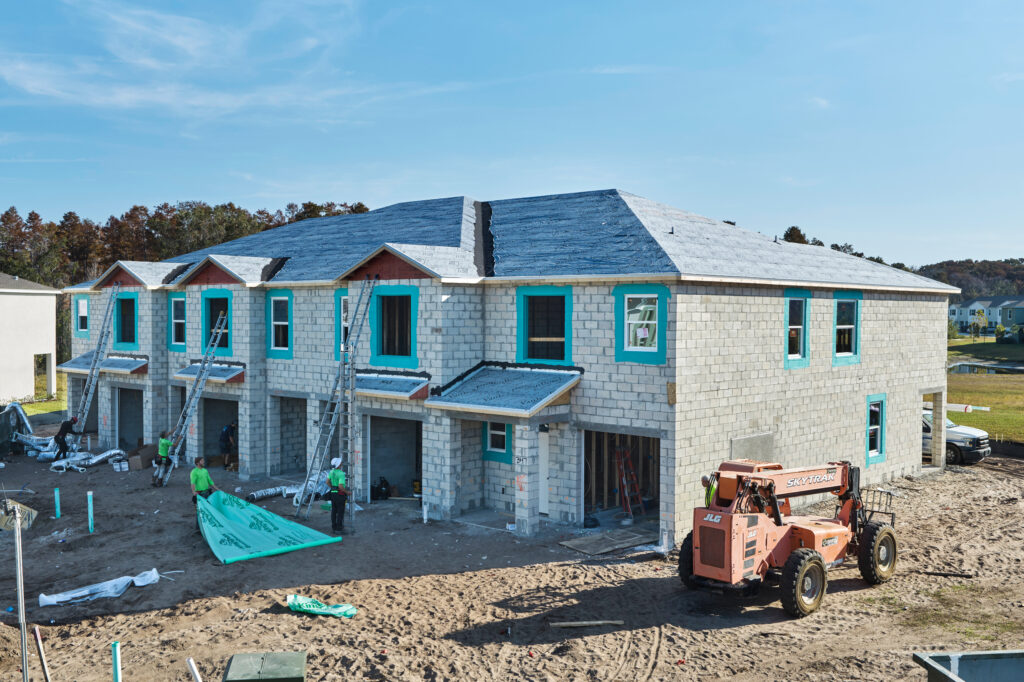
Jacksonville may sit north of the state’s traditional hurricane bullseye, but with its expanding coastal development, riverfront growth and rapidly rising insurance pressures, the region is becoming increasingly exposed to the same forces reshaping hurricane preparedness statewide.
Florida’s Coastal Reality: Why Resilient Building Can’t Wait Any Longer
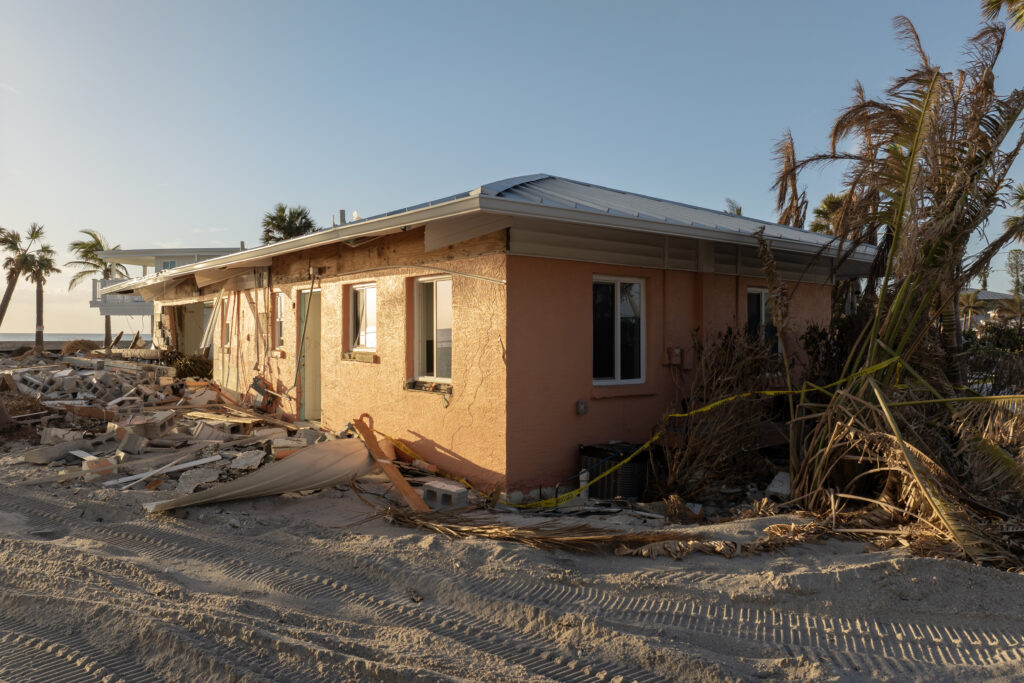
When Hurricane Melissa tore into Jamaica this season with winds exceeding 185 mph, it sent a clear message across Florida’s coastlines: storms are now intensifying faster and reaching wind speeds beyond what many buildings outside of South Florida were ever designed to withstand.